
CORE / MANUFACTURER DIRECT
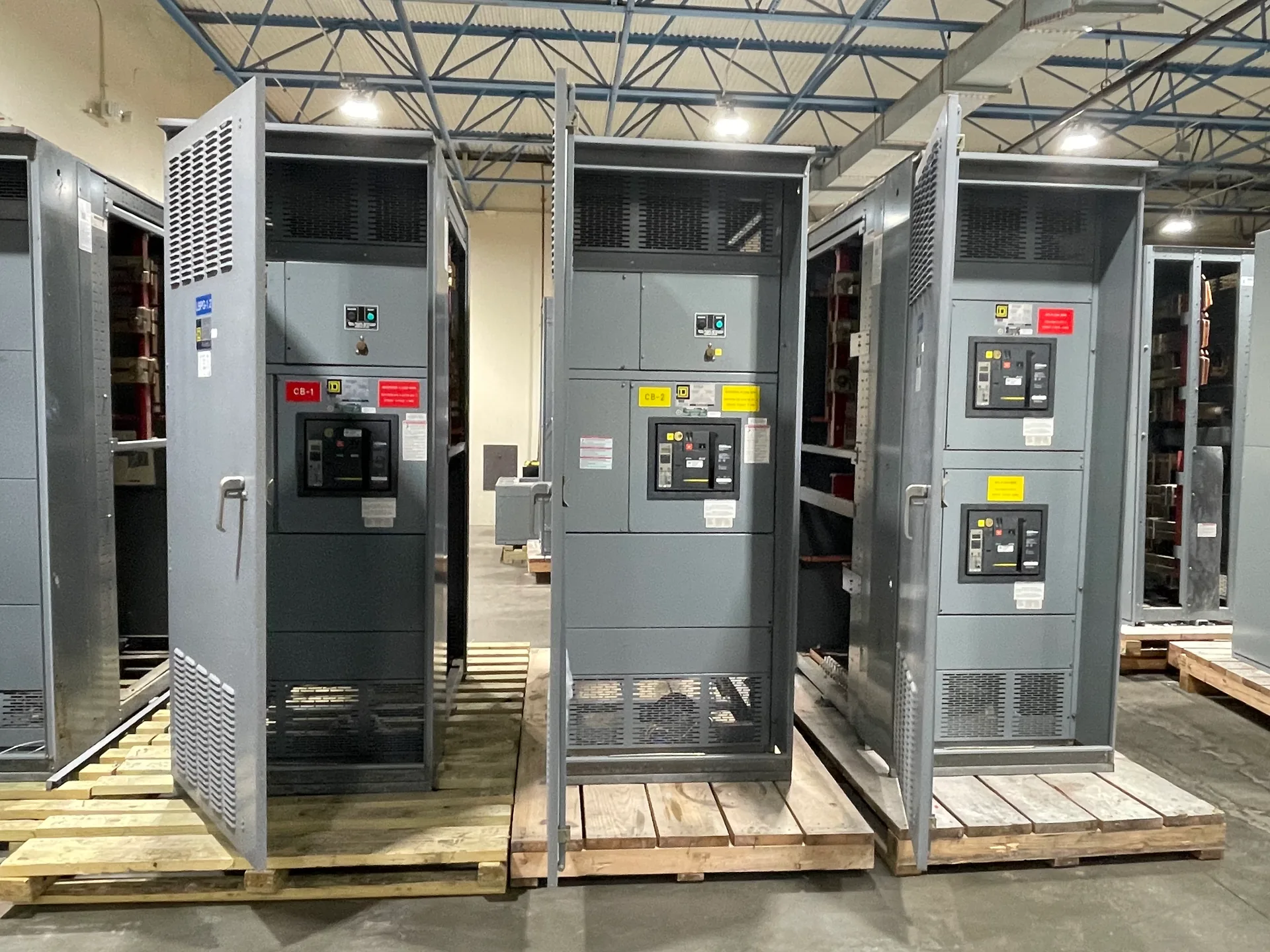
Virginia projects can be supplied with new switchgear and switchboards built to a project’s stated requirements. As a direct U.S. manufacturer, we offer custom builds using all-American components, with nationwide shipping and short lead times as a planning advantage—not a promised delivery date. Equipment selection depends on the application, electrical design, and verified project specifications. Use the sections below to compare key considerations, explore relevant product information, and prepare for a project-specific quote. Confirm the required equipment type, ratings, options, and schedule during the quotation process.
New Equipment for Virginia Projects
When evaluating new switchgear for a Virginia facility, start with the electrical system’s purpose and the project’s defined requirements. A distribution upgrade, new building, or expansion may call for different equipment arrangements, so the first decision is what the assembly must do—not simply which product name appears in a search. Identify the intended application, installation constraints, and the information your electrical team has established. Then share those details with the manufacturer for review and quotation. Custom builds can address project-specific configurations, but the final arrangement and ratings must be verified for the particular order. Manufacturer-direct purchasing gives buyers a direct path to discuss new equipment, clarify available options, and request pricing based on documented needs. It does not replace design review or establish that a particular assembly is suitable before requirements have been confirmed.
Switchgear or Switchboard?
The terms switchgear and switchboard are sometimes used broadly, but buyers should identify the equipment category specified for the project rather than assume the terms are interchangeable. Low-voltage distribution requirements may point toward a switchboard, while other applications may call for a different class of switchgear. Voltage class, available fault-current information, service conditions, protective-device requirements, and the overall system design can affect that decision. Bring the project documents and equipment schedule to the quoting stage so the intended product can be reviewed against them. UL 891 applies only where the proposed equipment is an applicable low-voltage switchboard; it is not a blanket designation for every switchgear assembly. Whether a specific assembly falls within that scope, and what markings or documentation apply, must be confirmed for the configuration being quoted.
Plan Around Verified Requirements
A useful quote begins with clear project information. Provide the one-line diagram and equipment schedule when available, along with the required voltage, system configuration, bus details, protective-device information, enclosure or installation conditions, and any stated project specifications. These items help identify which choices are fixed requirements and which may be options for review. Do not infer a rating from a building name, equipment label, or broad application description; ratings and compatibility need project-specific verification. If documents are incomplete, identify what remains undecided rather than filling gaps with assumptions. The manufacturer can then review the information provided and clarify what is needed to develop a quote. Final equipment scope, ratings, options, and schedule remain subject to review and confirmation. A quote is more useful when it reflects the actual application instead of an assumed standard package.
Custom Build and Lead-Time Planning
Custom manufacturing can help align a new assembly with project requirements, but customization involves choices that should be settled early. Layout, incoming and outgoing arrangements, device selection, metering provisions, and other configuration details may affect the proposed design and quotation. Treat each feature as a project requirement to verify, not an automatic inclusion. Short lead times are a planning consideration, not a fixed delivery commitment: the schedule depends on the confirmed scope, component availability, engineering review, and order details. Ask for the current estimated schedule for the exact configuration under consideration, and coordinate that estimate with the project’s procurement and installation plans. Nationwide shipping supports delivery planning for Virginia projects, but transit and receiving arrangements should be discussed separately. Do not schedule installation around an unconfirmed production or shipping date.
Product Details and Project Quote
For a project-specific quote, organize the available drawings, specifications, required quantities, delivery destination, and target procurement window. State whether the request concerns a new switchboard or another switchgear application, and flag any required standards, documentation, or project-specific options for review. If a Virginia city or site has particular access or delivery constraints, include those details so shipping arrangements can be considered. Product information can help narrow the equipment category; project documents establish what must be verified. Where the project also requires installation, inspection, testing, or field service, confirm those needs and responsibilities with the appropriate project parties rather than assuming they are included with equipment supply. Use the product and project-information paths to prepare the request, then seek a quote based on the actual scope. Ratings, options, approvals, and schedule are confirmed for the quoted assembly.