
APPLICATIONS / MANUFACTURER DIRECT
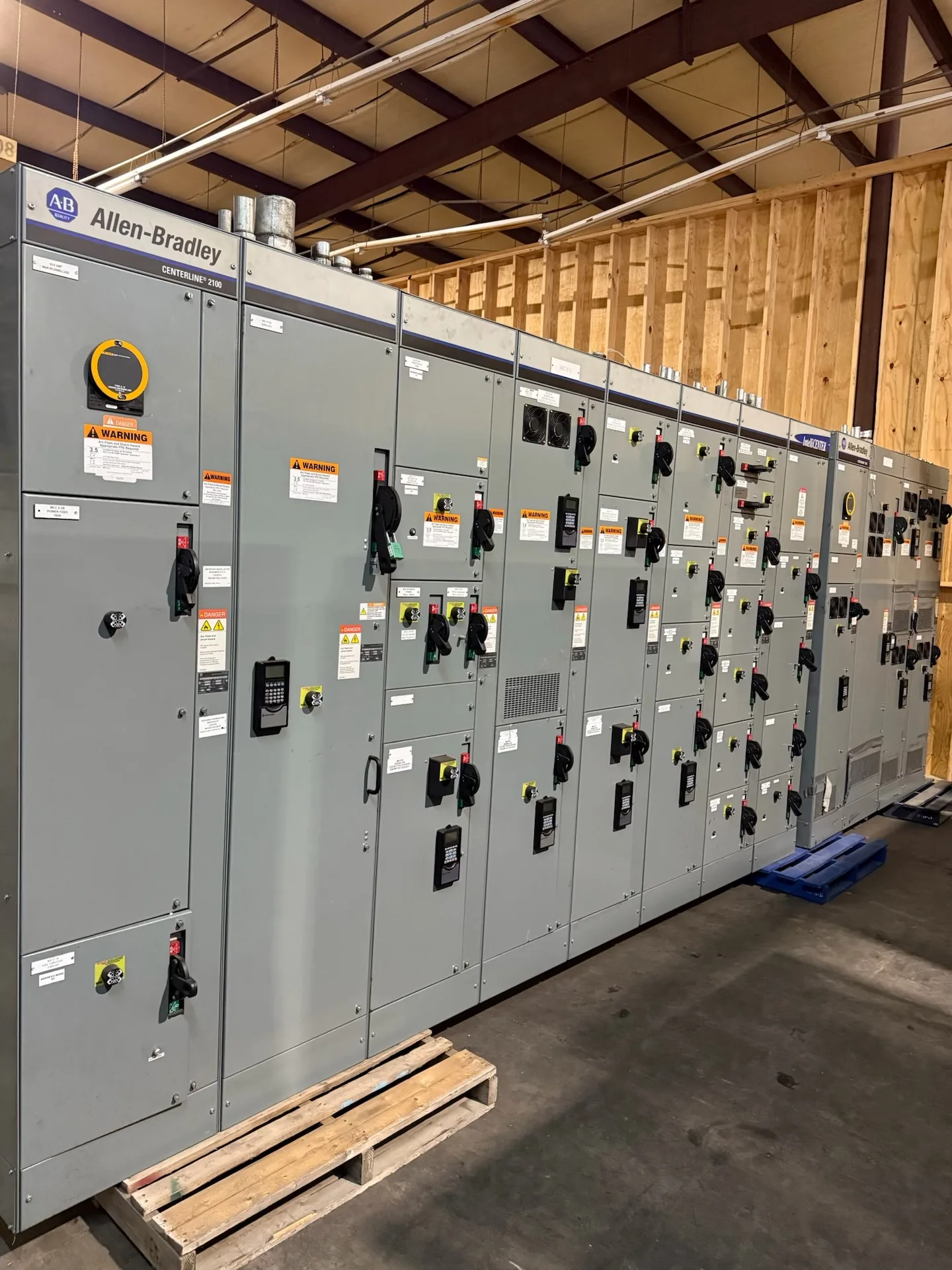
Phased construction changes when equipment arrives, how sections connect, and what must be ready before each energization milestone. Switchgear Builder Virginia manufactures new custom switchgear in the USA using all-American components, with nationwide shipping and short lead times subject to quote and verification. Early coordination helps the project team define shipment boundaries, temporary operating arrangements, future expansion points, and installation responsibilities. Actual configuration, schedule, ratings, and interfaces must be reviewed against project documents and verified before release.
Define Each Phase
Start with a phase matrix that ties each planned shipment to the area it serves, required capacity, installation window, and intended energization date. This makes gaps visible: one construction zone may need permanent distribution before the next switchgear section is ready, while another may rely on temporary power. Identify which loads are essential at each stage, which can wait, and whether planned loads will change as equipment is added. The engineer and project team should establish the one-line diagram, fault-duty basis, system voltage, grounding approach, and operating sequence for every interim and final state. Do not assume that a future arrangement has the same protection needs as the first phase. Switchgear Builder Virginia can discuss custom new-equipment configurations from the project requirements; ratings, schedule, and build details remain subject to quote and technical verification.
Split Shipments Deliberately
A shipment split should follow equipment boundaries that can be received, moved, stored, installed, and inspected safely—not merely a convenient truckload. Confirm section dimensions and weights, access routes, lifting provisions, floor loading, laydown space, weather protection, and the order in which assemblies must enter the building. Determine whether bus links, barriers, wiring, hardware, or documentation cross a proposed split boundary, and assign responsibility for each interface. The final shipping plan should also account for site readiness: sending a section early may create storage and handling risks, while holding all equipment may constrain the construction sequence. Coordinate shipping marks and delivery windows with the receiving team, but treat dates as planning targets until confirmed by quote and production review. Nationwide shipping is available; actual routing, packaging, and shipment timing require project-specific verification.
Temporary Arrangements
Temporary configurations deserve the same engineering discipline as the completed installation. Before relying on an interim lineup or temporary source, document the permitted configuration, connected loads, available fault current, protective-device settings, grounding and bonding, barriers, access controls, and who may authorize changes. The responsible electrical engineer should verify that each temporary state is suitable for its intended conditions and that protective coordination remains appropriate as loads or sources change. A temporary arrangement should not depend on improvised bus connections, bypassed protection, or assumptions that a later section will correct an interim deficiency. Define how temporary equipment will be isolated, removed, or incorporated into the final system, and identify the party responsible for inspection and approval. Any proposed configuration, ratings, and interfaces must be reviewed against applicable project requirements before equipment is released or energized.
Plan Future Sections
Future sections can be easier to integrate when the project defines expansion needs before the initial equipment is engineered. Specify the expected section count, anticipated loads, spare capacity, feeder destinations, physical growth direction, and any reserved space or connection points. Confirm that the initial design’s bus arrangement, enclosure layout, access clearances, cable entry, and protective-device provisions are compatible with the planned expansion; do not assume a blank space or spare device position establishes usable capacity. Also agree how future work will be isolated from operating equipment and which drawings, settings, and records must be updated. For applicable low-voltage switchboard assemblies, UL 891 requirements may apply and must be confirmed for the specific assembly and scope. That standard does not establish suitability for every project condition or apply to medium- or high-voltage equipment.
Coordinate Energization
Build an energization plan around verified prerequisites, not a calendar milestone alone. Identify who owns installation completion, grounding checks, cable and control connections, protective-device settings, inspections, required testing, utility or source coordination, and authorization to energize. Establish hold points for reviewing drawings and documenting deviations, and confirm that the installed equipment matches the approved configuration before power is applied. If work proceeds in stages, define the boundaries between energized and incomplete areas, the status of each source and feeder, and the process for controlling changes. Inspection, testing, approvals, and commissioning activities should be performed by qualified parties under the project’s applicable requirements; their scope and acceptance criteria must be confirmed rather than presumed. Switchgear Builder Virginia can coordinate new custom equipment details with the project team, while final field interfaces and energization decisions remain with the responsible project professionals.