
FAQ / MANUFACTURER DIRECT
Switchgear can sometimes be expanded after installation, but future capacity is not automatic. The answer depends on the original equipment design, available physical space, electrical ratings, bus arrangement, protection scheme and the interfaces between sections. A project can identify likely growth and evaluate provisions before equipment is specified; that planning does not mean every later addition will fit or be approved. Switchgear Builder Virginia manufactures custom new equipment in the USA using all-American components, with nationwide shipping. Scope, ratings, schedule and any proposed expansion provisions require review and verification for the project.
Start With the Design
Whether switchgear can grow later begins with its approved design, not with a general assumption that sections can simply be added. The original lineup may have a defined arrangement for future sections, or it may be designed only for the equipment and loads identified at purchase. Even a planned extension depends on the bus configuration, enclosure arrangement, electrical ratings, protective devices and interfaces specified for that project. A later addition must be evaluated against the equipment documentation and applicable project requirements. Buyers should identify expected load growth, likely timing and any known future feeders while the design is being developed. That information gives the manufacturer and project engineering team a basis to assess options. It does not establish that expansion will be feasible; the final arrangement, compatibility and approvals need review before a future change is pursued.
Bus and Ratings
Bus capacity is one important constraint, but it is not the only one. The bus must be evaluated for the intended system conditions and proposed future load, while breakers, protective settings and connections must also suit the revised arrangement. Available space in a lineup cannot make an existing bus suitable for additional current, and unused capacity should not be inferred from a cabinet opening or an unoccupied section. The equipment rating and configuration must be verified from approved drawings and records, then compared with the proposed change. If the future scope differs from the original assumptions, engineering review may identify limits or require a different design approach. For applicable low-voltage switchboards, UL 891 requirements may apply to the assembly; their relevance to a particular project must be verified. Medium- and high-voltage equipment require their own project-specific criteria.
Space and Interfaces
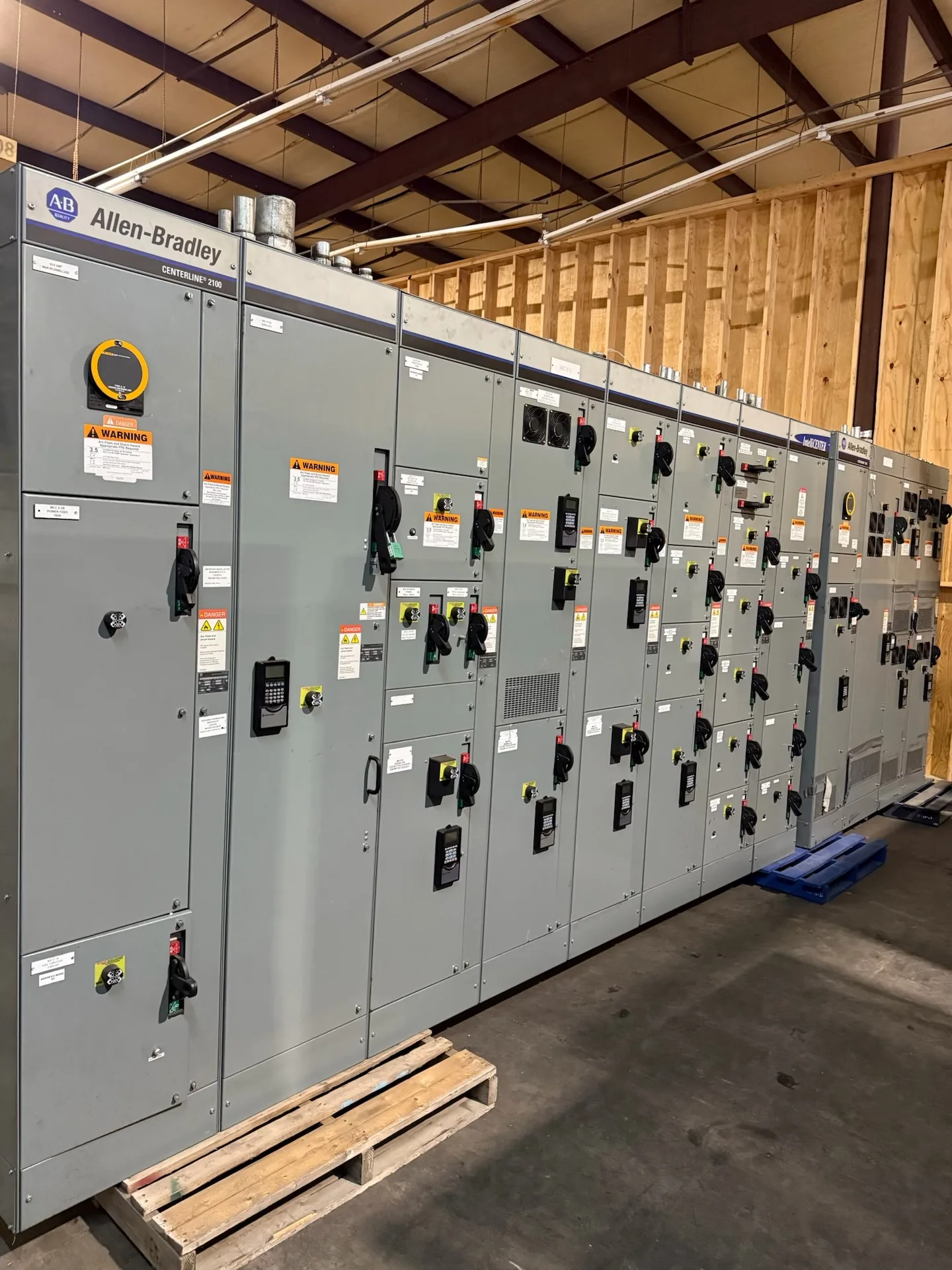
A future section needs a place to go and a way to connect safely and correctly with the existing lineup. The room layout, access clearances, cable entry, ventilation, anchoring and maintenance access may limit where an addition can be installed. Interfaces matter too: bus connections, control wiring, communications, metering and protective coordination must be checked against the existing equipment and system. Site conditions can change between the original installation and a later project, so drawings alone may not resolve every fit or routing question. Buyers should preserve approved drawings, equipment schedules, manuals and records of changes, and arrange qualified project review when expansion is considered. Any field assessment, inspection or testing should be scoped for the actual equipment and performed by appropriate personnel. No single reserved space or connection point proves the complete system is ready for expansion.
Planned Provisions Aren’t a Promise
A project may specify provisions intended to make a later extension more practical, such as reserved lineup space, a defined future section, or design assumptions documented for later review. These are planning choices, not an automatic capability or a commitment that an addition will be compatible under every future condition. The provision needs to be clearly shown in the approved scope and drawings, with limits understood by the buyer and project team. An opening, spare feeder position or note for future use does not by itself establish available bus capacity, suitability of protection, or approval of a later modification. Keep the original assumptions with the equipment records and revisit them when loads, utility conditions, codes or project requirements change. Switchgear Builder Virginia can discuss custom new-equipment scope and potential provisions for evaluation during quoting; feasibility, ratings and schedule remain subject to review and verification.
Questions Before You Specify
Before requesting a design, describe the loads expected at initial installation and the growth that is reasonably foreseeable, including approximate timing and the equipment it may serve. Ask which provisions, if any, are included in the proposed scope, what assumptions they rely on, and what information must be preserved for a later engineering review. Confirm the lineup dimensions, bus and device ratings, connection interfaces, room constraints and project approval requirements against the application. If the future plan is uncertain, distinguish known needs from possibilities rather than treating a speculative load as a confirmed design basis. Provide available one-line diagrams, site information and project requirements for review, while recognizing that documents may need verification. Switchgear Builder Virginia builds custom new switchgear in the USA and ships nationwide. The right expansion plan is the one documented for the specific project—not a blanket promise that any lineup can be extended later.