
LOCATIONS / MANUFACTURER DIRECT
Switchgear Builder Virginia manufactures new switchgear for commercial projects in Richmond, Virginia, with direct USA manufacturing, all-American components, custom builds and nationwide shipping. For an occupied-building upgrade, the equipment choice is only part of the plan: tenant feeders, shutdown windows, existing service drawings and the cutover sequence all affect scope. Start by documenting what must remain energized and what can be interrupted, then have the project team confirm site conditions, requirements and the responsible local service provider and authority having jurisdiction (AHJ). Ratings, configuration and schedule are subject to quotation and verification.
Map occupied loads
Before specifying replacement equipment, identify which tenant feeders and shared building systems depend on the existing distribution lineup. Separate loads that may be interrupted from those needing a planned transfer or another approved continuity measure; do not assume every tenant can tolerate the same outage window. A hypothetical Richmond office upgrade might require coordination among property management, tenants, the electrical contractor and building operations, but the actual parties and sequence depend on the site. Record feeder names, destinations, critical loads and known constraints, then reconcile that list with current one-lines and field conditions. This early work helps the design team define a practical cutover boundary and identify questions that could change the lineup or installation plan. Keep operations and life-safety requirements under the project’s qualified electrical professionals; do not treat a sales description as an operating procedure.
Check drawings and field conditions
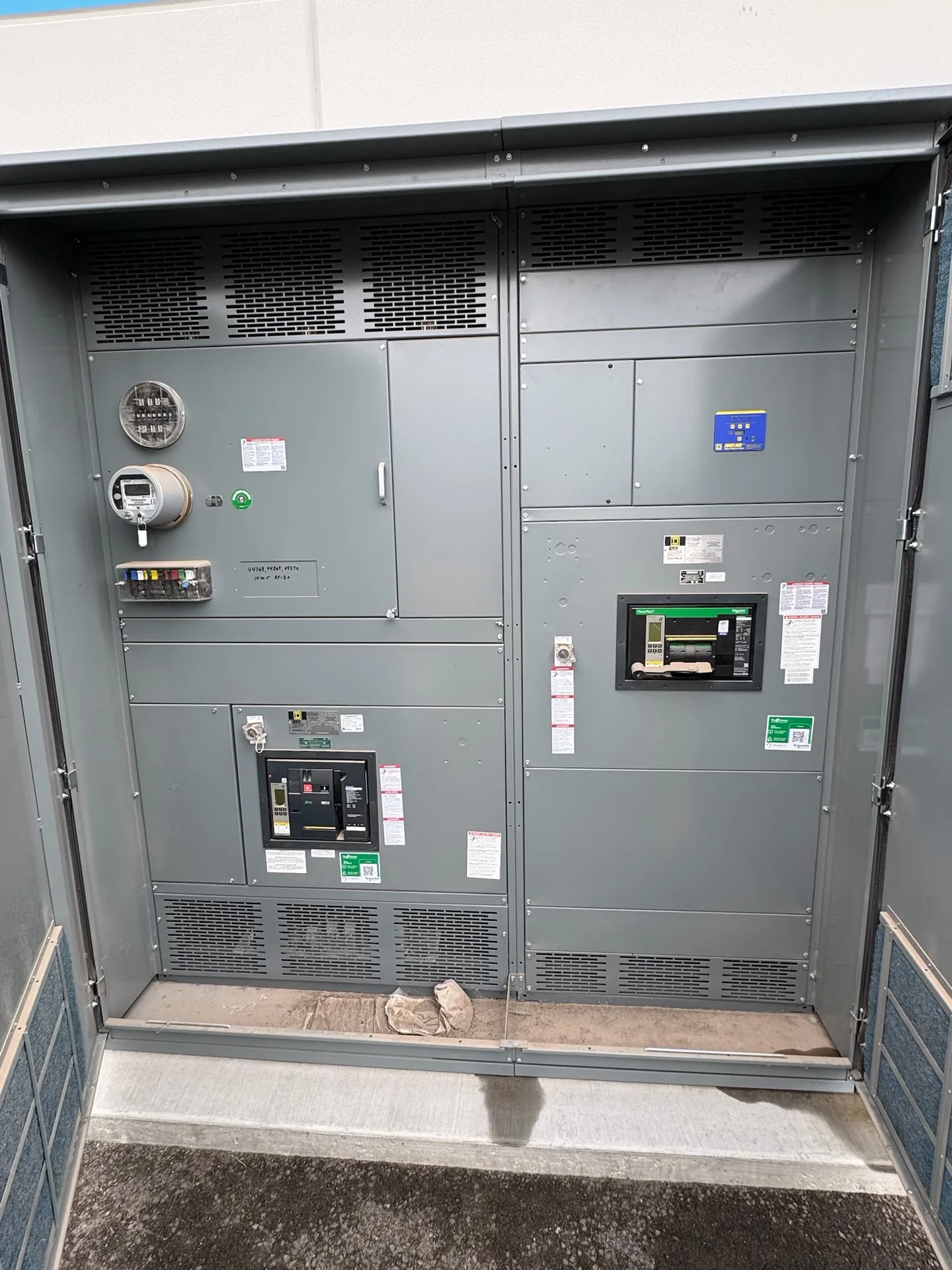
Gather existing service drawings, switchboard schedules, equipment labels, available fault-current information and records of prior modifications. Treat these as starting references, not proof that the installed system still matches the documents. Have qualified project personnel verify the existing configuration, feeder destinations, clearances, cable entry, working space and site-specific constraints before finalizing equipment requirements. If drawings are incomplete or inconsistent, note the gap and assign a responsible party to resolve it through appropriate field investigation. The manufacturer can use verified project inputs to develop a custom build, but the buyer and design team must confirm the required electrical characteristics and interfaces. Applicable low-voltage switchboards may be specified as UL 891 assemblies where applicable; confirm the exact equipment scope and required documentation for the project. Do not apply that standard to medium- or high-voltage switchgear.
Plan the cutover
Build the outage plan around the actual loads, switching boundaries, installation sequence and authorized personnel. Define which feeders are affected, what work must be completed before the shutdown, what inspections or approvals are required, and what conditions must be met before re-energization. A short outage window can make prefabrication, verified dimensions and clear responsibility assignments especially important, but the feasible sequence depends on the existing gear and site conditions. Confirm temporary-power needs, tenant notices, access restrictions and contingency steps with the owner’s project team and qualified electrical contractor. The manufacturer’s scope may include equipment design and supply; installation, field service and commissioning responsibilities should be stated and verified separately. Never presume that a manufacturer or local provider is assigned to perform onsite work. Any work on electrical equipment must be planned and carried out by qualified personnel under applicable project requirements.
Verify local responsibilities
Before procurement, identify the electrical contractor or service provider responsible for site assessment, installation and any requested field support, and verify that provider’s qualifications and scope directly. Confirm which AHJ reviews the project and what submittals, inspections or approvals may apply; requirements depend on the equipment, installation and governing authorities. Switchgear Builder Virginia ships nationwide, but nationwide shipping does not imply a Richmond office or local service crew. Set out in writing who handles equipment setting, terminations, testing, commissioning, utility coordination and closeout documents, rather than leaving those tasks implied. For a Richmond project, local conditions should be established by the project team—not assumed from the city name. Coordinate the chosen provider’s schedule with building operations and tenant communications, and verify access, receiving, staging and delivery arrangements before the equipment order is finalized.
Prepare a quote request
A useful request includes the project location, existing and proposed one-line diagrams, service characteristics, available fault-current data, feeder schedule, equipment dimensions, cable-entry preferences, environmental conditions and required submittals. Add the occupied-building constraints: affected tenants, acceptable shutdown windows, critical loads, planned cutover phases and the party responsible for onsite work. Mark uncertain information clearly so it can be reviewed rather than mistaken for a confirmed requirement. Ask the manufacturer to identify assumptions, exclusions, options and items needing engineering or AHJ confirmation. Custom builds and short lead times are available as company capabilities, but the actual configuration and schedule must be verified in the quote; no delivery date should be presumed. For related planning, review the Richmond switchboard replacement and design page, the switchgear replacement design service, the occupied-facility distribution upgrade application and the quote checklist before submitting project details.