
APPLICATIONS / MANUFACTURER DIRECT
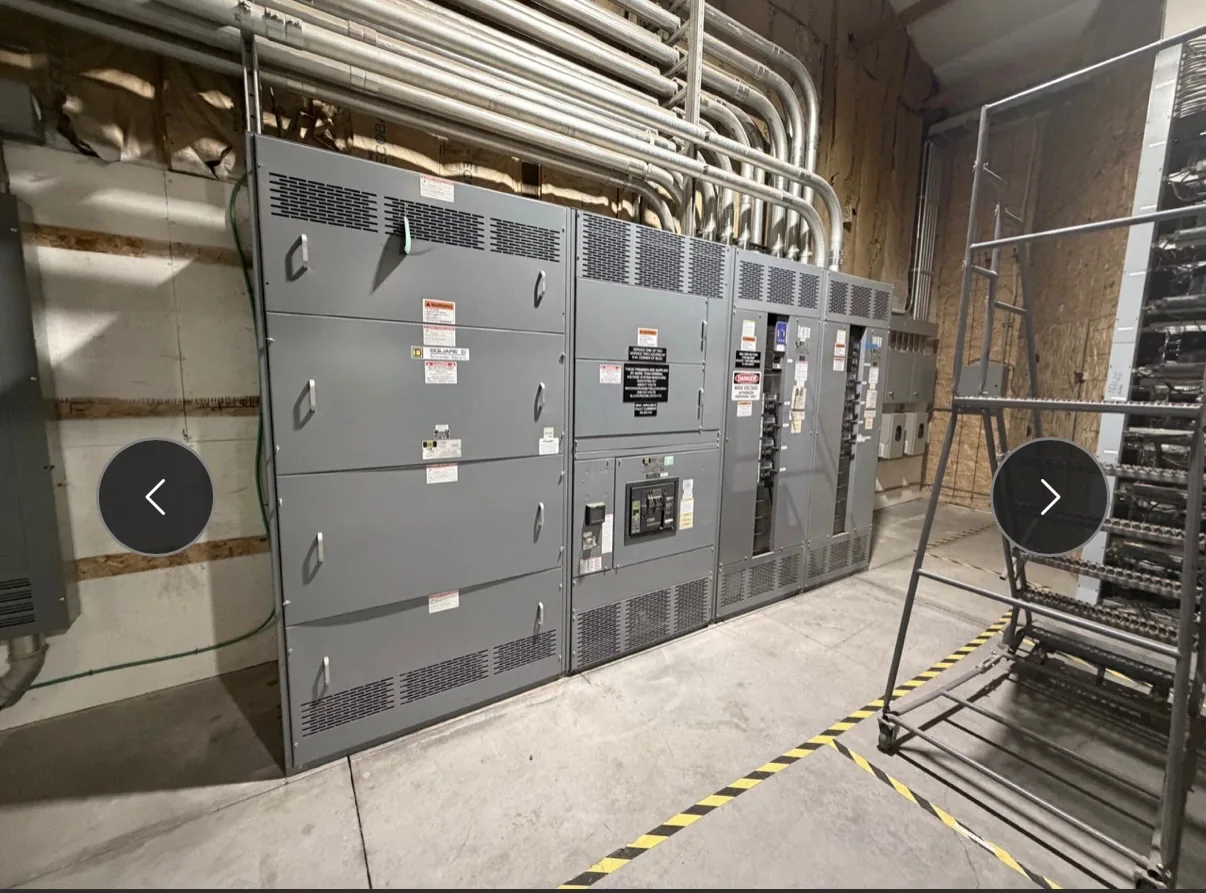
Demand management distribution starts with a practical question: which electrical loads can be measured, shifted, limited, or sequenced without disrupting operations? Switchgear Builder Virginia builds new custom switchgear for projects where distribution planning and demand information must be considered together. The right design depends on measured load profiles, equipment schedules, operating priorities, control-system interfaces, and available capacity—not on an assumed savings figure. A project team can use these requirements to distinguish monitoring from automatic control and to identify what the switchgear must accommodate. Final schedules, ratings, and interfaces require project-specific review and verification.
Measure Before Planning
Demand planning is only as useful as the information behind it. Start by identifying where demand is measured, how often readings are recorded, which operating periods matter, and whether the project needs interval history or only local indications. Existing utility bills may show billing demand, but they do not necessarily explain which loads created a peak or when equipment operated. A design team may need metering at the service entrance, selected distribution sections, or individual large loads to make decisions at the right level. More measurement points can improve visibility, yet add equipment, wiring, communications work, and configuration effort. Decide what questions the data must answer before selecting meter locations or features. Switchgear Builder Virginia can review those requirements for a new custom assembly; the meter types, accuracy, protocols, and ratings remain project options to verify against the specification.
Choose Controllable Loads
Not every load is a suitable demand-management resource. List equipment by electrical demand, operating schedule, process role, restart behavior, and the amount of interruption the facility can tolerate. HVAC staging, charging, pumps, or other loads may offer flexibility in some applications, but suitability depends on the equipment and operating constraints. A short pause may be acceptable for one load and unacceptable for a production process, safety function, or essential service. Define which loads may be shed, delayed, rotated, or restored, and who authorizes each action. Automatic control can respond faster than an operator, but it also requires clear priorities, interlocks, and a defined response to communication or controller failure. Treat load-control hardware and logic as design requirements to verify, not assumed standard features. The switchgear’s role and boundaries should be documented alongside the facility controls.
Define Communications
Monitoring and control depend on clear communication requirements. Specify which devices exchange information, what data must be available, where it will be displayed, and which party supplies or configures each interface. A project may call for local metering, a connection to a building-management system, or data exchange with a separate energy-management platform. Those are different scopes, even when they use compatible protocols. Confirm protocol, network ownership, addressing responsibility, cybersecurity review, and the expected response if the link is unavailable. Do not assume that a meter connection also provides remote control, or that a controller can act safely without current data. Keep protective functions distinct from optional demand-management logic, and have qualified project professionals establish system behavior. For a new assembly, Switchgear Builder Virginia can consider specified communications provisions; device selection, compatibility, programming, and testing scope require confirmation during quotation and engineering review.
Plan Capacity Carefully
Capacity planning should compare documented demand with the proposed operating scenario, not rely on a hoped-for reduction. Gather load studies, equipment schedules, known expansion plans, transformer and feeder information, and relevant operating constraints for review by the project’s electrical professionals. Distinguish present connected load from measured demand and from future load; each describes a different planning concern. Demand controls may change when loads operate, but they do not automatically increase the electrical capacity of conductors, protective devices, or distribution equipment. If the project depends on load shedding to serve planned additions, document the control sequence, allowable combinations, and what happens if a load cannot be interrupted. Ratings, available spaces, bus arrangements, and device selections must be evaluated for the actual application and verified in the quote and approved submittals. This approach helps buyers compare a control strategy with infrastructure upgrades on a consistent, evidence-based basis.
Build a Verifiable Scope
A useful purchase specification turns operational goals into reviewable requirements. Include the one-line diagram, source and load information, measurement points, controllable-load list, interface responsibilities, enclosure and installation conditions, and the intended sequence of operation. Identify any required alarms, data retention, operator override, or fallback mode, then state who will furnish and validate each element. Ask the project team to distinguish mandatory functions from preferred options so proposals can be compared without treating assumptions as included scope. Switchgear Builder Virginia manufactures new custom switchgear in the United States using all-American components and offers nationwide shipping; applicable low-voltage switchboard assemblies may be UL 891 assemblies, subject to project applicability and verification. Lead times, ratings, schedules, and feature availability are subject to quotation and review. No demand reduction or savings should be represented as an outcome until operating data and the proposed control strategy support that estimate.