
APPLICATIONS / MANUFACTURER DIRECT
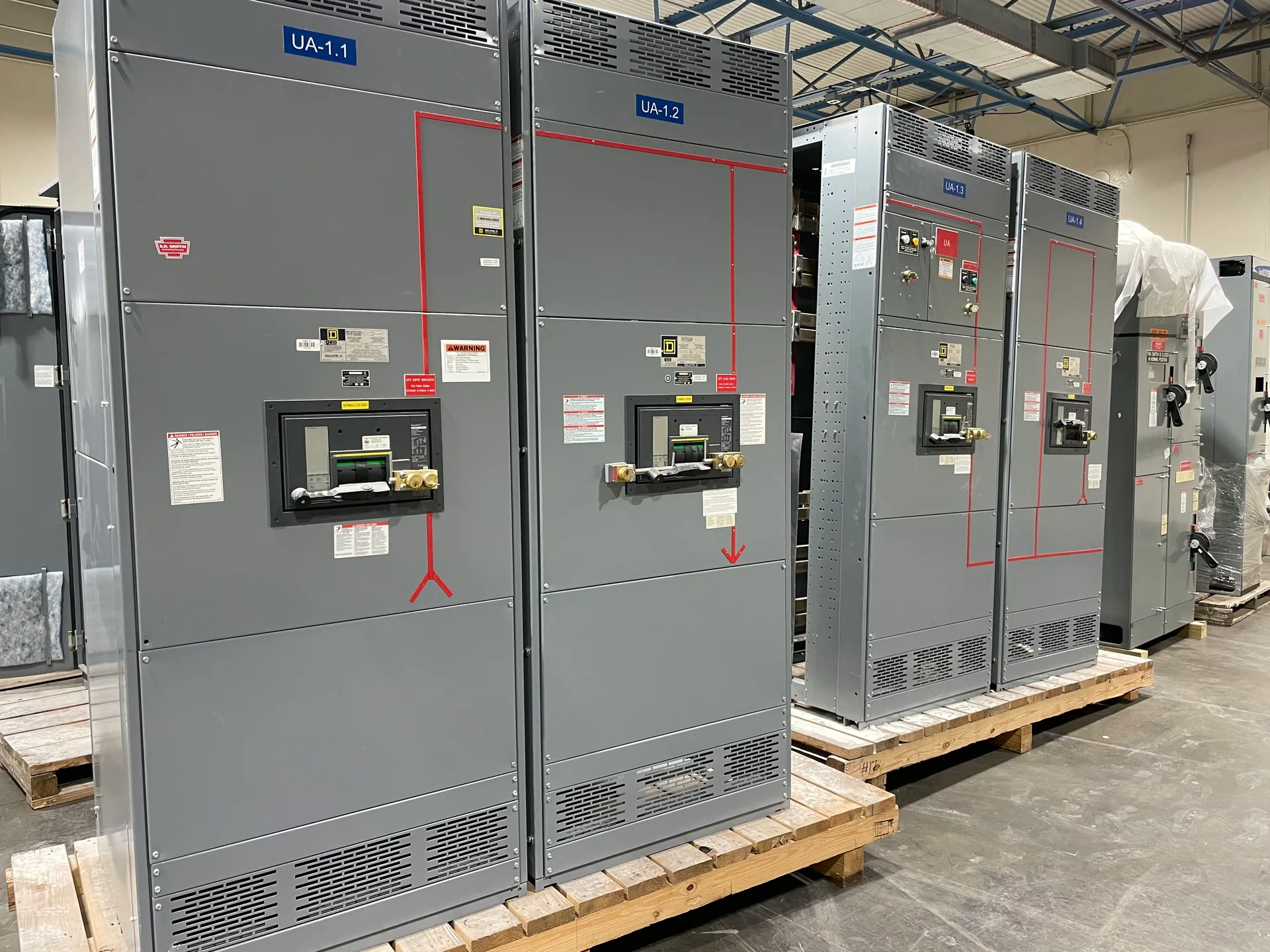
An existing facility service upgrade can mean keeping sound service equipment in place, replacing a limited section, or planning a new lineup around changed electrical demands. Switchgear Builder Virginia can build new custom switchgear for projects that call for replacement equipment, with all-American components and nationwide shipping. The right scope depends on verified equipment condition, available capacity, utility requirements, outage constraints, and how the facility operates. Compare these factors before settling on a replacement approach.
Define the Scope
Start by separating the service equipment that must change from equipment that may remain. A new lineup can address capacity, arrangement, or coordination needs, but replacing everything is not automatically the best fit. Retaining serviceable equipment may reduce the project’s physical scope and limit interfaces that need review; it also leaves the facility dependent on the age, condition, and capabilities of those retained sections. Document the existing one-line diagram, nameplate information, protective-device details, physical dimensions, cable entry, and known operating issues. Have qualified project professionals verify records against field conditions; old drawings may not reflect later changes. For a hypothetical facility with an added production area, the team might compare a targeted new section with a broader lineup replacement. The comparison should identify what remains, what is new, and which connections and ratings require engineering review before a quote can establish a buildable scope.
Check Demand and Capacity
Review measured demand and expected future loads together rather than sizing a replacement from a single peak reading or the old equipment label. Consider operating schedules, motor starts, planned additions, load diversity, and any constraints identified by the project engineer. A larger lineup may provide room for growth, but extra capacity can affect footprint, cost, feeder arrangements, and the amount of work required to connect it. A tightly sized design may reduce initial scope while leaving less flexibility for later changes. Confirm the service voltage, phase, frequency, bus requirements, available fault-current information, and protective-device needs against project documents and utility input. Treat every rating as a requirement to verify, not a presumed feature of a proposed assembly. For low-voltage switchboards, UL 891 assemblies may be applicable; whether a particular design and project require that construction must be confirmed during scope development.
Coordinate With the Utility
Utility coordination can shape the equipment boundary, service configuration, metering approach, and sequence for changing the connection. Identify which party is responsible for confirming service characteristics, reviewing drawings, approving the proposed arrangement, and scheduling any utility-side work. Requirements vary by project, so do not assume that the existing service details or an earlier approval automatically apply to a new lineup. Share verified project information early enough to expose conflicts before fabrication planning advances. The design team should also account for available space, cable routing, working clearances, access paths, and building conditions, subject to field verification and applicable project requirements. If the proposed equipment cannot match the existing connection points, transition design and installation scope need deliberate review. A custom build can address project-specific arrangements, but the final dimensions, ratings, interfaces, and any required reviews remain subject to quote, engineering confirmation, and the relevant parties’ approval.
Plan the Outage
Outage timing often determines whether an upgrade can proceed as one changeover or needs a staged plan. Map the loads that cannot be interrupted, identify any approved temporary arrangements, and establish who has authority to schedule and perform each part of the work. Do not assume a temporary feed is feasible; its suitability, protection, installation, and approval require qualified project review. A single outage may simplify the transition but can concentrate risk if equipment, labor, or approvals are not ready. Multiple phases may keep some operations running, yet introduce more interfaces and coordination points. Build the schedule around confirmed utility availability, site access, installation sequencing, inspection or testing requirements, and equipment readiness. Switchgear Builder Virginia offers short lead times, but actual schedules depend on the quoted configuration and project conditions; no delivery date should be assumed until confirmed. The facility team should set contingencies for changes in scope or timing.
Compare the Alternatives
A useful comparison puts retained-equipment work, partial replacement, and a new lineup side by side. For each option, record verified ratings and condition, the equipment boundary, tie-in work, footprint, outage assumptions, utility coordination, and future expansion needs. Include engineering, installation, testing, and approval responsibilities in the project discussion instead of comparing equipment price alone. Retention may preserve familiar arrangements but leaves existing limitations to manage. Partial replacement can focus spending on a defined need, while creating interfaces between old and new equipment. A full new lineup can offer a coordinated arrangement, but may require more space, connection work, and outage planning. New switchgear from Switchgear Builder Virginia is custom-built to the confirmed project scope, uses all-American components, and ships nationwide. Request a quote with verified drawings and requirements; ratings, schedule, applicable assembly standards, and final configuration must be confirmed for the specific project.