
APPLICATIONS / MANUFACTURER DIRECT
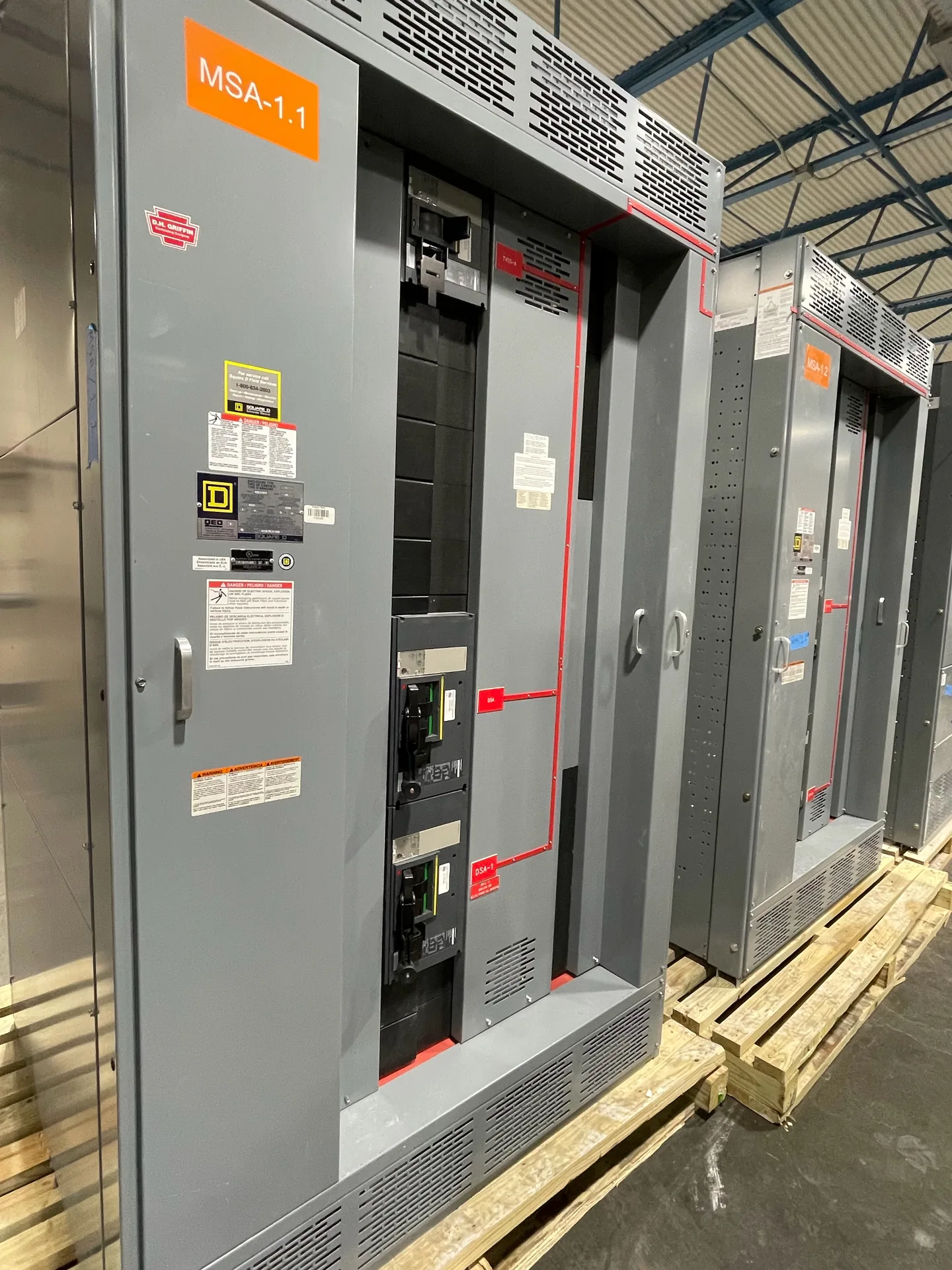
Flood exposure should shape the distribution layout before equipment locations and feeder routes are fixed. Start by identifying the applicable flood design criteria, expected water levels, drainage paths, and access constraints for the specific site. Then coordinate those inputs with the electrical one-line, equipment arrangement, and recovery plan. The right choices depend on the project’s conditions and requirements; ratings, construction details, and schedules must be confirmed for the quoted design. Switchgear Builder Virginia manufactures new, custom switchgear in the United States using all-American components, with nationwide shipping. Short lead times may be available, subject to scope and quote.
Set the design basis
Before selecting distribution equipment, establish which flood criteria govern the project and who is responsible for interpreting them. The design team may need to consider mapped flood information, site-specific studies, owner requirements, and applicable local requirements; do not treat any one source as a complete equipment specification. Record the design water level, the conditions it represents, and any required freeboard or duration assumptions for review by the responsible professionals. Also distinguish temporary surface flooding from groundwater, storm surge, or water entering through below-grade spaces, since the exposure path affects layout decisions. If criteria are unsettled, identify that uncertainty early rather than embedding an assumed elevation in the switchgear order. Switchgear Builder Virginia can develop a custom new-equipment configuration from verified project requirements. Equipment construction, environmental features, ratings, and availability remain subject to engineering review and the final quote.
Choose equipment elevation
Elevation is a practical risk-reduction choice, but the required mounting height is project-specific. Compare the design flood level with the proposed equipment elevation, access routes, cable entry points, and the height of connected loads. Raising distribution equipment may reduce exposure to floodwater, while increasing feeder length, voltage-drop considerations, structural demands, or the need for stairs and lifting access. A raised platform also needs a coordinated plan for anchorage, cable support, working space, and future component removal. If equipment must remain at grade, evaluate whether the selected design and installation location are appropriate for the stated exposure; do not assume a standard enclosure is floodproof or suitable for submersion. Confirm applicable ratings and construction details against the actual hazard and specifications. The final arrangement should be reviewed with the electrical, structural, civil, and facilities teams before dimensions and connection points are released.
Plan drainage and water paths
A higher equipment pad does not resolve every water-entry risk. Review how runoff moves across the site, where drains discharge, whether nearby grading could direct water toward electrical rooms, and how water may enter through doors, trenches, conduits, or below-grade penetrations. Consider whether drainage depends on pumps or power that could be unavailable during a flood, and have the responsible civil team assess the design. For indoor gear, check the room’s relationship to exterior grades and adjacent spaces, as well as the route for water that enters elsewhere in the building. For outdoor gear, verify the proposed location and enclosure requirements against the anticipated exposure; confirm any environmental rating rather than inferring it from appearance. These are coordinated site decisions, not substitutes for equipment specifications. Document drainage assumptions and interfaces so the switchgear layout, cable-entry plan, and building details are checked against the same design basis.
Protect access and recovery
A flood-resilient layout should account for safe access before, during, and after an event, subject to the site’s emergency procedures. Identify how operators and qualified service personnel would reach the distribution equipment if roads, doors, or lower-level areas were restricted. Consider whether controls, upstream disconnects, communications, and critical loads depend on the same exposed area. Plan routes for inspection, drying, cleaning, and eventual replacement without assuming that wet electrical equipment can be returned to service by routine cleanup. Recovery requirements should be set by the owner and qualified technical professionals, with equipment condition and any required evaluation determined before re-energization. Where continuity matters, discuss separation of critical loads, alternate supply arrangements, and the physical location of related equipment as part of the project design. Verify all operational assumptions and interfaces; do not treat a proposed arrangement as proof of flood survivability or service continuity.
Coordinate the custom build
A useful switchgear specification translates verified site criteria into a clear equipment and interface package. Provide the one-line diagram, load and fault information, system voltage, feeder and cable-entry preferences, environmental conditions, installation location, and any project-required elevation or enclosure criteria. Include drawings or notes showing platforms, room boundaries, drainage interfaces, access clearances, and connections to other equipment. Identify which requirements are mandatory and which are preferences, then resolve conflicts with the design team before approval. For applicable low-voltage switchboards, UL 891 assemblies may be specified where appropriate; applicability and requested details must be verified for the project. Switchgear Builder Virginia manufactures new custom equipment in the United States with all-American components and ships nationwide. Lead times, ratings, features, inspections, and other requirements are subject to quote and verification. The released design should reflect confirmed criteria, not unverified assumptions about flood performance.