
APPLICATIONS / MANUFACTURER DIRECT
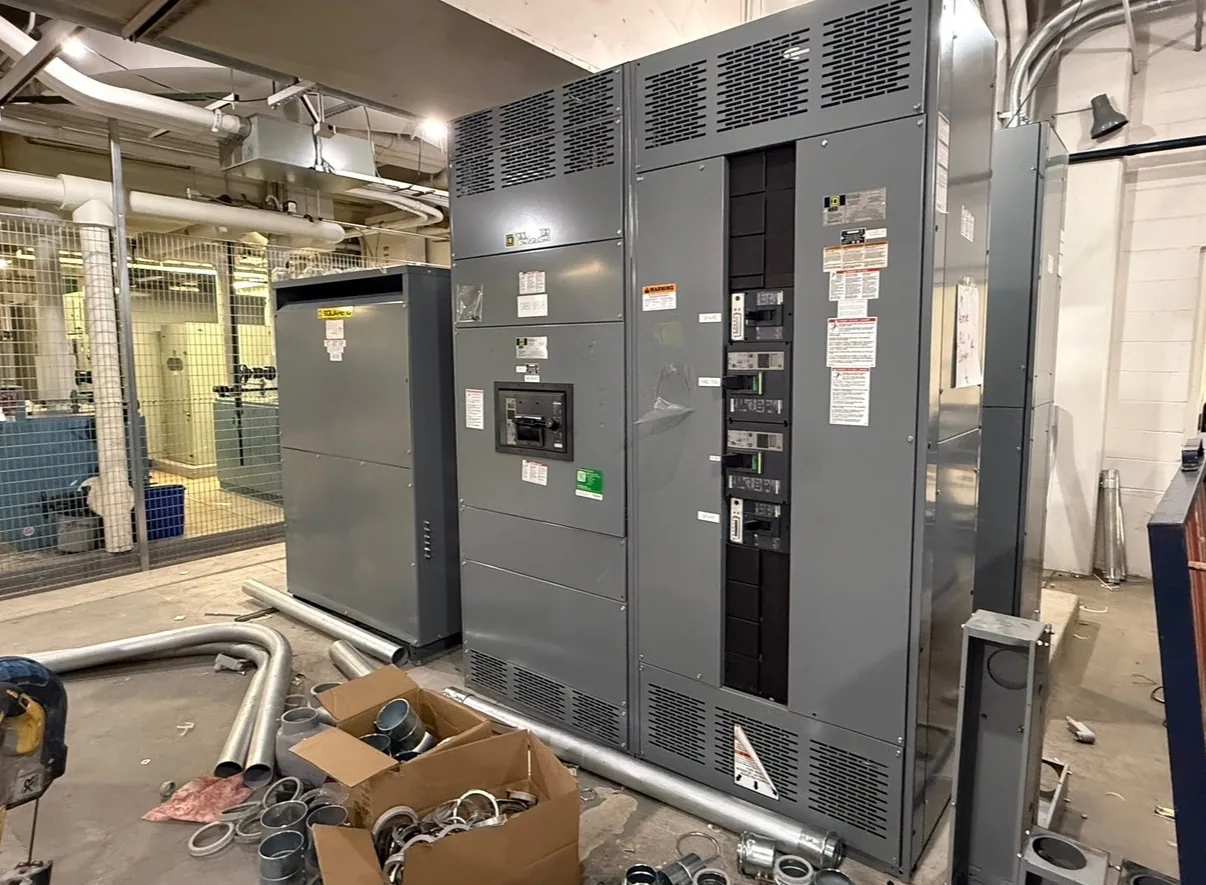
Generator docking connections provide a planned point for connecting a portable generator to selected building loads during temporary or standby operation. The equipment is only one part of the arrangement: source selection, isolation, grounding, cable compatibility, operating procedures, and site conditions all affect the design. Switchgear Builder Virginia manufactures new, custom switchgear in the USA using all-American components, with nationwide shipping. For applicable low-voltage switchboards, UL 891 assemblies may be specified. A project review should establish the intended generator, connected loads, connection location, and operating responsibilities before equipment details are set. Ratings, schedules, and design features require project-specific review and verification.
Connection Point
Start with how the portable generator will physically and electrically connect. The design team should identify the expected generator output, voltage, phase, frequency, connector arrangement, cable count, and available fault-current information when known. Those details influence the docking interface, conductors, protective devices, and space required in the switchgear. A connection that is convenient for one generator may not suit another, so portability does not mean every generator is interchangeable. Consider where equipment and cables will be positioned, how they will be protected from traffic or weather, and whether access remains practical during an outage. The equipment configuration and ratings are options to verify against the complete installation, not assumptions to infer from a catalog label. Switchgear Builder Virginia can review project requirements for a custom new assembly; final selections depend on engineering coordination and quote.
Source Isolation
A docking connection must be coordinated with a means of selecting and isolating sources so generator power is not unintentionally connected to utility or another source. The project team should define the normal source, alternate source, loads to be served, and intended transfer method. Depending on the arrangement, source selection may use a transfer device or another engineered configuration; the suitable approach depends on system topology, equipment ratings, and applicable project requirements. Review which loads are essential, whether loads start together, and how generator capacity is allocated. These decisions affect switching, overcurrent protection, bus arrangement, and operational clarity. Do not treat a receptacle or connector alone as source isolation. The specified equipment must be reviewed as part of the whole electrical system, with its ratings and required approvals verified for the application before procurement.
Interlocking and Operation
Interlocking can help enforce a defined sequence between source positions, but the project should state exactly what transitions must be prevented and what operating steps remain manual. Mechanical or electrical interlocks, control circuits, indication, and key procedures are distinct design choices; one does not automatically replace the others. Ask whether personnel need clear source-position indicators, a local operating sequence, or provisions for supervisory controls. The operating plan should assign responsibility for confirming generator compatibility, connecting and disconnecting cables, transferring loads, and returning to normal power. It should also address abnormal conditions and communication among facility staff, generator providers, and qualified electrical personnel. Switchgear details cannot establish a safe procedure by themselves. Coordinate the equipment design with the owner’s operating plan and have qualified project professionals verify interlock logic, control power, and any required approvals.
Grounding and Protection
Grounding and bonding must be evaluated for the actual generator, transfer arrangement, and building system rather than selected by habit. Whether the generator neutral is bonded at the source, how the neutral is switched, and where system bonding occurs can affect the design. Confirm generator documentation and installation conditions with the responsible electrical professionals; assumptions can create unwanted current paths or protection problems. The project review should also cover equipment grounding conductors, cable terminations, overcurrent protection, and coordination with the existing system. Do not infer grounding needs from the docking connector alone, and do not use this page as field wiring instructions. The final design should identify the intended grounding method and applicable equipment requirements, with ratings and approvals verified for the complete assembly and installation. Work and testing should be planned by qualified personnel.
Project Coordination
A useful design package describes the generator or range of generators, load list, source arrangement, connection location, environmental exposure, cable routing, and expected operating sequence. Include available one-line diagrams, equipment information, site constraints, and the party responsible for supplying and operating the generator. If those details are not yet fixed, identify open decisions explicitly; unresolved inputs may affect enclosure selection, connection hardware, ratings, controls, and schedule. A project-specific design and operating plan should be reviewed together before release. Switchgear Builder Virginia offers custom new builds, direct USA manufacturing, all-American components, short lead times, and nationwide shipping; actual scope and schedule are subject to quote and verification, not a delivery promise. For applicable low-voltage switchboards, request review of UL 891 assembly requirements. Confirm every rating, feature, and approval for the project.