
APPLICATIONS / MANUFACTURER DIRECT
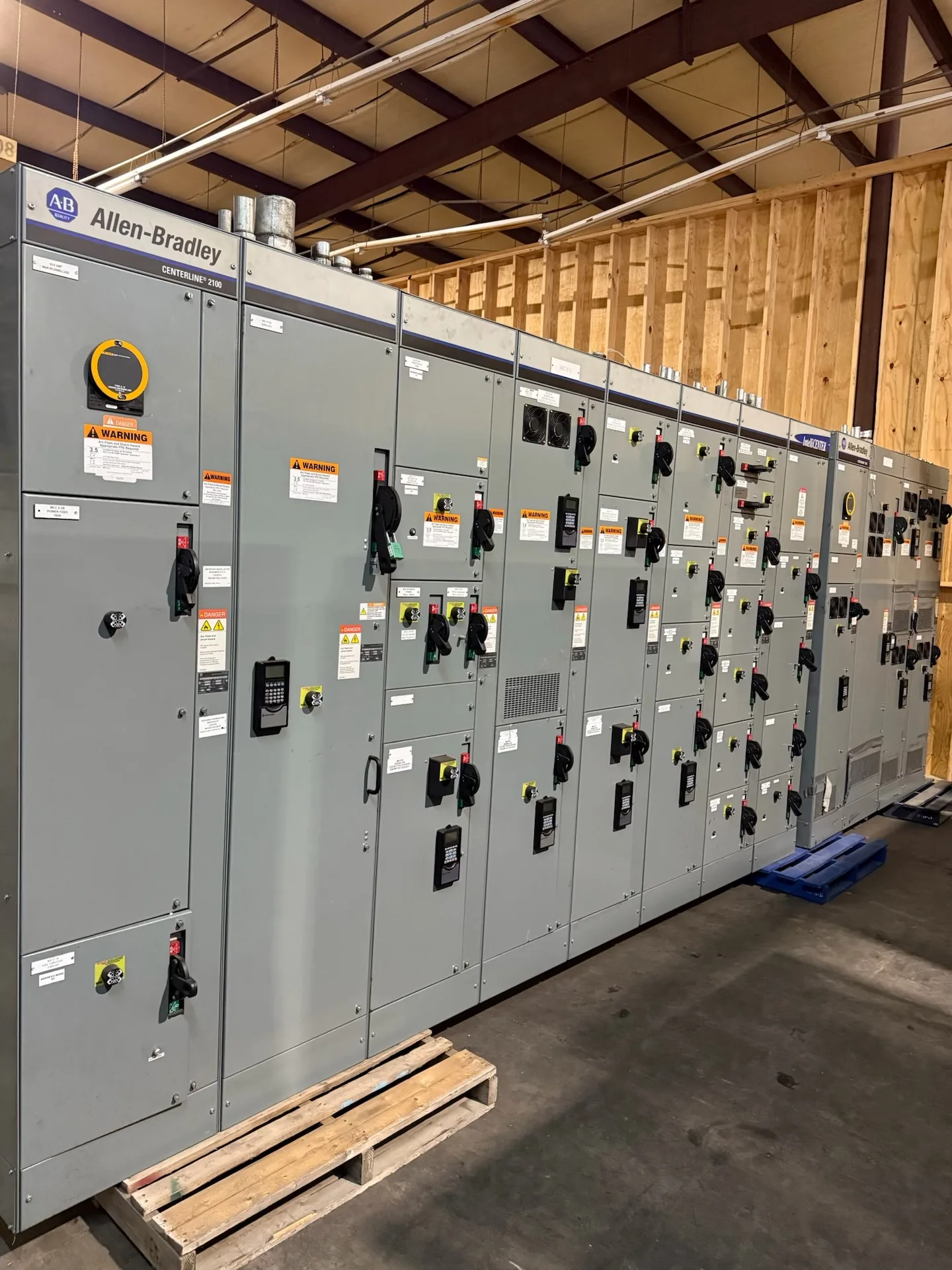
Noncritical load segregation gives operators a planned way to reduce demand while preserving power to designated essential loads. The design starts by deciding which loads may be shed, under what conditions, and how restoration should occur. Switchgear Builder Virginia builds custom switchgear in the USA with all-American components and ships nationwide. Equipment configuration, ratings, controls, schedule, and applicable approvals require project-specific review and confirmation.
Define Load Priorities
Begin with an owner-approved load list, not a generic label such as “noncritical.” A load that can be interrupted in one operating mode may be essential in another, so identify its function, acceptable outage duration, restart needs, and dependencies. Group loads by consequence of interruption, then identify which groups may be shed first, next, or not at all. Include connected equipment that shares a process, control circuit, or required ventilation; shedding one device can create a problem elsewhere. The electrical engineer and facility team should resolve ambiguous priorities before switchgear compartments, feeders, or control logic are set. Document assumptions and operating modes in the design criteria. This gives bidders a consistent basis for estimating and helps operators understand what the arrangement is intended to preserve when available capacity is constrained.
Coordinate Protection
Protective devices must be selected and coordinated for the actual system, not simply divided into essential and noncritical groups. Review available fault current, conductor and equipment ratings, feeder loading, and the intended source arrangement with the project engineer. A load-shed command is not a substitute for overcurrent protection, and a protective trip should not be treated as routine demand management. Device type, trip settings, interrupting capability, and selectivity are project-specific items to calculate and verify. Consider whether a fault on a sheddable feeder could affect an essential section through shared bus or upstream protection. The one-line diagram, coordination study, and equipment submittals should agree on feeder assignments and protective functions. Switchgear Builder Virginia can develop a custom build to defined project requirements; ratings and device options remain subject to review and quotation.
Specify Control Behavior
Decide how shedding is initiated and supervised: by an external building or energy-management system, a project-specified controller, or another approved scheme. The design documents should state the initiating condition, priority order, signal interface, response expectations, and what happens if a signal or control-power source is lost. Specify whether operators need local indication, alarms, manual override, or a way to inhibit shedding during maintenance. Manual controls should have clear labels and an operating procedure so an override does not silently defeat the intended load priorities. Define the reset behavior as carefully as the shed command: automatic restoration may bring back several large loads at once, while staged restoration can limit abrupt demand changes. Final logic, control power, communications, and fail-state behavior must be reviewed against the complete system and owner requirements before release.
Plan Operating Scenarios
Test the proposed sequence on paper against normal operation, peak demand, source transfer if included, equipment outage, maintenance, and recovery after an interruption. For each scenario, identify which loads remain energized, which may be interrupted, and who has authority to change the sequence. Check that essential loads do not depend on a control signal or source that the same event could remove. If generators, alternate sources, or automatic transfer equipment are part of the project, confirm how their capacity and transition behavior affect the shed order; their presence should not be assumed. Include realistic startup and restart constraints, such as equipment that must run for a minimum period or cannot restart simultaneously. These reviews help uncover conflicts before fabrication. The owner and design team should approve the operating narrative, drawings, and control points as a coordinated set.
Review the Build Scope
A useful procurement package includes the one-line diagram, load schedule, priority groups, control narrative, interface responsibilities, and any required studies or submittals. Identify which components and functions the switchgear manufacturer is expected to furnish and which are provided by others; controller programming, communications, field wiring, and commissioning scope can otherwise be misunderstood. Confirm enclosure, bus, voltage, current, short-circuit, and environmental requirements from project documents rather than inferring ratings from the application name. Switchgear Builder Virginia manufactures new custom switchgear in the USA using all-American components, with nationwide shipping. For applicable low-voltage switchboard assemblies, UL 891 requirements can be addressed when specified and verified for the proposed assembly; that standard does not describe medium- or high-voltage gear. Lead times and ratings are confirmed through project review and quotation, not assumed from a general schedule.