
APPLICATIONS / MANUFACTURER DIRECT
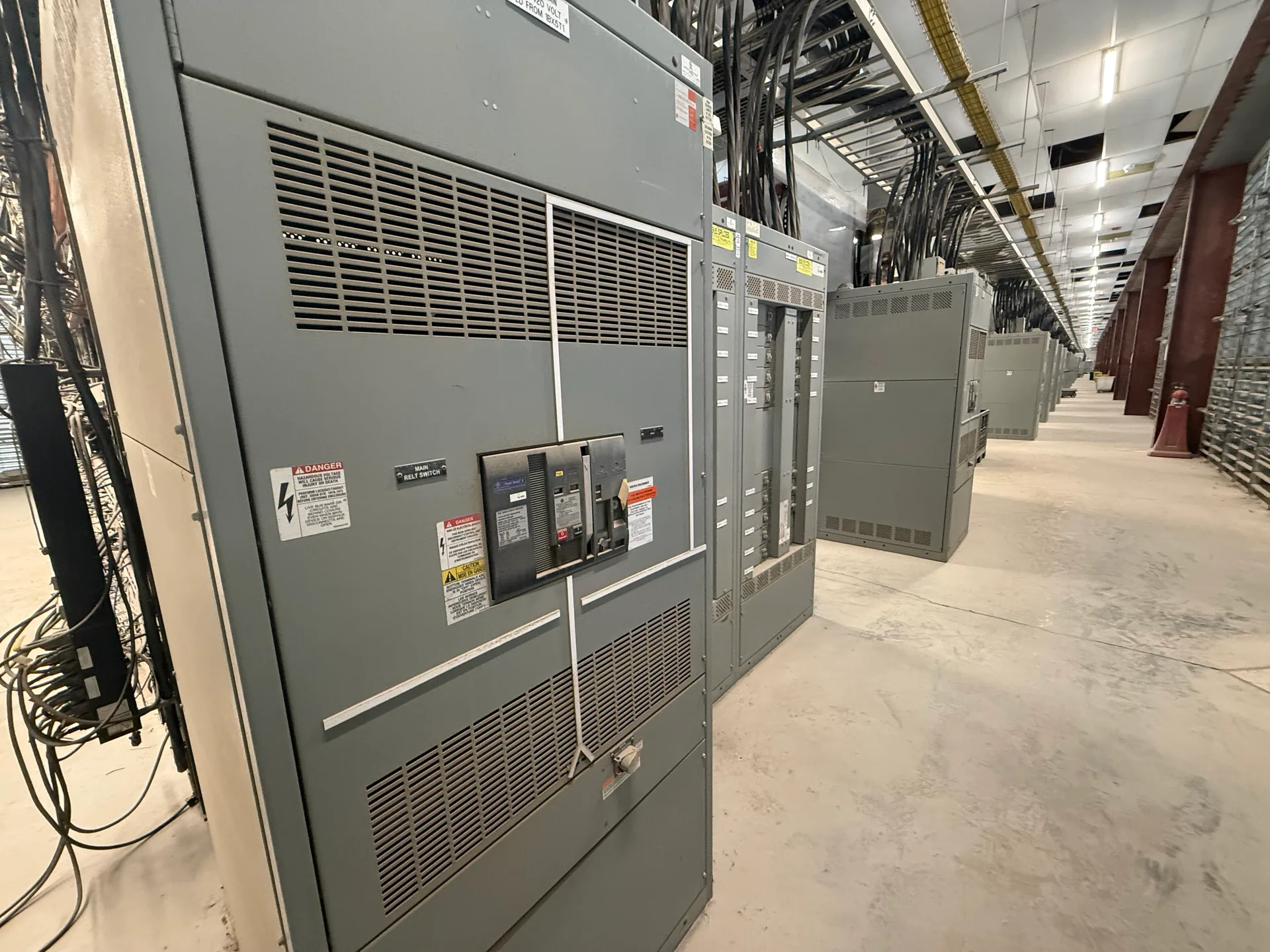
Remote breaker operation lets authorized personnel issue selected open or close commands from a control station rather than at the breaker. A useful design starts by defining which breakers may be operated, what status operators need, and which conditions must block a command. Switchgear Builder Virginia builds custom new switchgear for project requirements, with direct USA manufacturing, all-American components, short lead times and nationwide shipping. Configuration, ratings and schedules are subject to quote and verification. Remote operation is not the same as remote racking: one controls breaker contacts, while the other moves a breaker between positions.
Commands and Control Points
Define each remote command by equipment, source and intended result. A project may allow an operator to open a breaker, close it, or do both, but command permissions should be specified rather than assumed. Identify whether commands originate at a control room, local panel, supervisory system or another approved interface, and decide how local controls interact with remote authority. The design team should also establish whether a command requires deliberate selection and confirmation, how conflicting requests are handled, and what happens when communications fail. These choices affect control wiring, interface hardware, logic and operating procedures. Remote control should not be described as automatic protection: protective devices and their settings serve different functions and require separate engineering review. For a new custom assembly, document the command path and intended operating sequence so the proposed design can be checked against the project’s one-line diagram and control requirements.
Status and Indication
A remote command is useful only when operators can determine whether the intended action occurred. Specify the status points needed at each operating location, such as breaker open or closed, and identify any additional indications needed to distinguish an actual position from a pending or failed command. Where the design includes communication links, define how loss of communication, stale data or an unavailable indication is presented to the operator. The exact signals and display behavior depend on the selected controls and project interface; they should be confirmed with the responsible controls engineer. Avoid treating a command acknowledgment as proof that contacts changed state. Specify which device provides position feedback and how that feedback reaches the operator interface. Clear indication supports deliberate decisions and helps prevent misunderstandings, but it does not replace site procedures, electrical studies or confirmation that operating authority has been properly assigned.
Interlocks and Blocking Conditions
Interlocks determine when an operation is permitted or blocked, so list the required conditions for each command rather than relying on a generic phrase such as “safety interlocked.” Depending on the equipment and engineered sequence, requirements may address breaker position, disconnect position, protective relay condition, control power, local or remote selection, or another permissive. The project engineer must determine which conditions apply and how they are implemented; no single list fits every lineup. Clarify what the operator sees when a command is blocked, whether the system identifies the unmet permissive, and how the intended operating sequence is documented. Interlocks should coordinate with equipment ratings, drawings and approved control logic. They are not a substitute for a risk assessment or safe work procedures, and remote controls do not make energized work safe. Have the design and control requirements reviewed by qualified project personnel before release for manufacture.
Operator Authority
Set authority deliberately: name the roles permitted to operate breakers remotely, the control locations they may use and the circumstances under which local control takes precedence. The project should define how remote and local selections are indicated, who may change them, and how overlapping commands from separate interfaces are prevented or resolved. If supervisory software is involved, clarify whether it can issue direct commands or only display status, and establish the project’s authorization and recordkeeping requirements. Those details are system-specific and should be agreed among the owner, engineer and controls integrator before the equipment design is finalized. A clear authority model reduces ambiguity during normal operation, testing and maintenance planning. It also helps keep the control scheme aligned with the facility’s operating procedures. Do not infer personnel permissions from a switch position alone; the owner’s documented procedures and assigned responsibilities govern actual operation.
Remote Operation Versus Remote Racking
Remote breaker operation and remote racking solve different tasks. Operation commands the breaker contacts to open or close while the breaker remains in its applicable position. Racking moves a drawout breaker between defined positions, which changes its connection to the switchgear. A project may require one function, both, or neither; specify them separately in the scope, drawings and controls narrative. Do not assume a remote open or close command provides remote racking, or that a racking device determines whether the breaker should be closed. Racking equipment, interlocks, position indication and operating procedures require their own design review and verification. When evaluating a proposed assembly, ask which actions are included, what interfaces support them, and which ratings and compatibility details remain subject to engineering review and quotation. Switchgear Builder Virginia can quote custom new switchgear against defined project requirements; final configuration and schedule require verification.