
APPLICATIONS / MANUFACTURER DIRECT
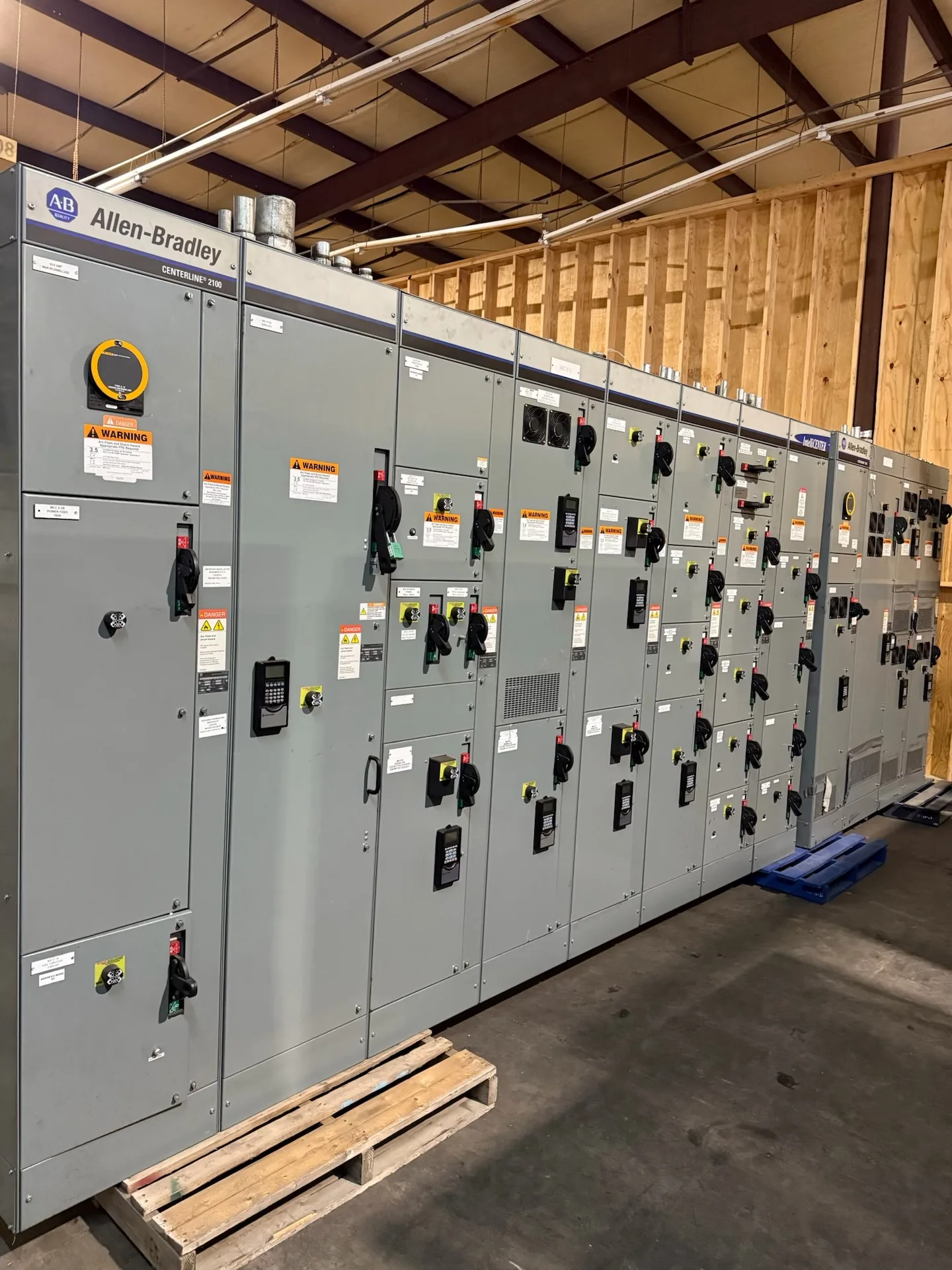
Remote switchgear monitoring can help facility teams see selected equipment conditions without being at the lineup. The useful design question is not simply which screen to install; it is which points matter, how readings will travel, who maintains the connection, and what response an alarm should prompt. Switchgear Builder Virginia can build custom new switchgear for projects that call for monitoring provisions. Device selection, interface details, communications, network compatibility, and available alarms must be defined and verified for the specific project. Establishing these requirements early helps coordinate the switchgear design with the facility’s controls and cybersecurity responsibilities.
Choose Useful Points
Start with operating questions, then select monitoring points that can answer them. A buyer may want visibility into breaker position, trip indication, current, voltage, power, or other equipment status, but the exact points depend on the installed devices and project scope. More data is not automatically better: every point adds configuration, display, communications, and maintenance considerations. Separate values needed for routine awareness from signals intended to support a defined response. Confirm whether each value is available from the selected breaker, meter, sensor, or protective device, and whether it is measured locally or supplied through another system. Specify naming, units, update expectations, and any required quality or status indication. A point list reviewed by the switchgear supplier, controls integrator, and facility team can expose gaps before fabrication. Final availability and implementation require device and design verification.
Set the Interface
A communications protocol is a shared set of rules for exchanging information; naming a protocol alone does not establish compatibility. Identify the monitoring devices and the receiving system, then confirm supported protocol versions, data objects, addressing, connection method, and any required gateway. Also establish which party supplies, configures, and validates each interface component. A gateway may bridge systems, but it can add hardware, settings, and another point of failure to consider. Confirm whether the project expects one-way monitoring or permits commands; do not assume that a monitoring connection includes control capability. Document the intended data flow and the boundary between switchgear equipment and the facility network. Switchgear Builder Virginia can coordinate custom new equipment requirements with the project team, while actual device choices and interfaces remain subject to scope and compatibility verification. Resolve these details before releasing drawings for approval.
Assign Cyber Roles
Remote access makes responsibility a design requirement, not an afterthought. The owner and project team should decide who approves network connections, assigns addresses, manages credentials, reviews access, and responds to suspected security events. Clarify whether the equipment connects to an existing operational network, a separately managed segment, or another approved arrangement; the site’s policies and qualified network personnel should guide that decision. Define who supplies and maintains switches, gateways, firewalls, remote-access tools, and software, if needed. Ask how configuration changes, updates, backups, and account removal will be handled over the equipment’s service life. Avoid assuming that a manufacturer, integrator, or facility IT group owns every task. Put boundaries and handoffs into the project documents, including what information each party needs before startup. Network architecture, security controls, and permitted connections must be reviewed for the actual site and applicable requirements.
Make Alarms Actionable
An alarm is useful only when someone can interpret it and knows what to do next. For each proposed alarm, define the triggering condition, display text, priority, intended recipient, and response procedure with the facility team. Distinguish an equipment indication from a condition that requires prompt investigation; avoid assigning priorities solely because a signal is available. Consider whether delays, deadbands, acknowledgment, or escalation are appropriate for the monitored point, then verify that the selected device and receiving platform support the intended behavior. Agree how loss of communications will be shown, since a missing value should not be mistaken for a normal condition. Alarm thresholds and responses should be established by qualified project personnel using equipment documentation and operating procedures, not inferred from generic examples. Confirm that names and units remain consistent across the switchgear, gateway, and user interface so operators can act on a clear, traceable signal.
Verify Before Release
Before approving the design, review a point list, communications narrative, interface responsibilities, and alarm schedule together. Check each requested point against the proposed device documentation, and confirm what is included in the switchgear versus supplied by others. Resolve protocol and network questions with the controls integrator and the owner’s authorized network team; record assumptions rather than treating them as confirmed features. If applicable, new low-voltage switchboards may be specified as UL 891 assemblies, subject to the actual design and verification. That standard does not establish a monitoring protocol, cybersecurity arrangement, or compatibility with a particular facility system. Switchgear Builder Virginia manufactures new switchgear in the United States using all-American components, offers custom builds, and ships nationwide. Project schedules, ratings, monitoring devices, interfaces, and scope are subject to quotation and verification. A coordinated submittal gives buyers a practical basis for evaluating the proposed design before release.