
BUYING INTENT / MANUFACTURER DIRECT
A spare-parts plan starts with the equipment the project will actually use, not a guess based on cabinet appearance or a generic list. When specifying new switchgear, identify which breakers and components matter most, then document their exact electrical, mechanical, and control requirements. Switchgear Builder Virginia manufactures custom equipment in the USA using all-American components, with nationwide shipping and short lead times subject to project review and quote. Treat spare availability, interchangeability, storage conditions, and delivery timing as items to verify—not assumptions. An itemized scope can help buyers compare options and coordinate spares with the new assembly.
Rank Critical Spares
Begin by identifying which devices would most affect operations if a replacement were needed. A spare-breaker list may prioritize breakers by function, circuit criticality, operating schedule, or the consequences of an extended outage. Include more than a panel designation: record the circuit name, equipment served, breaker location, and relevant project drawing references. Then ask the project team to distinguish required spares from optional ones, so the request reflects operational priorities rather than an arbitrary quantity. A spare for a hard-to-substitute feeder may deserve different consideration from a device serving a less critical load. The appropriate scope depends on the application and must be reviewed against the proposed assembly. For a new custom switchboard, Switchgear Builder Virginia can review an itemized request as part of the project quote; whether each requested item can be supplied, and on what schedule, requires confirmation.
Document Device Identity
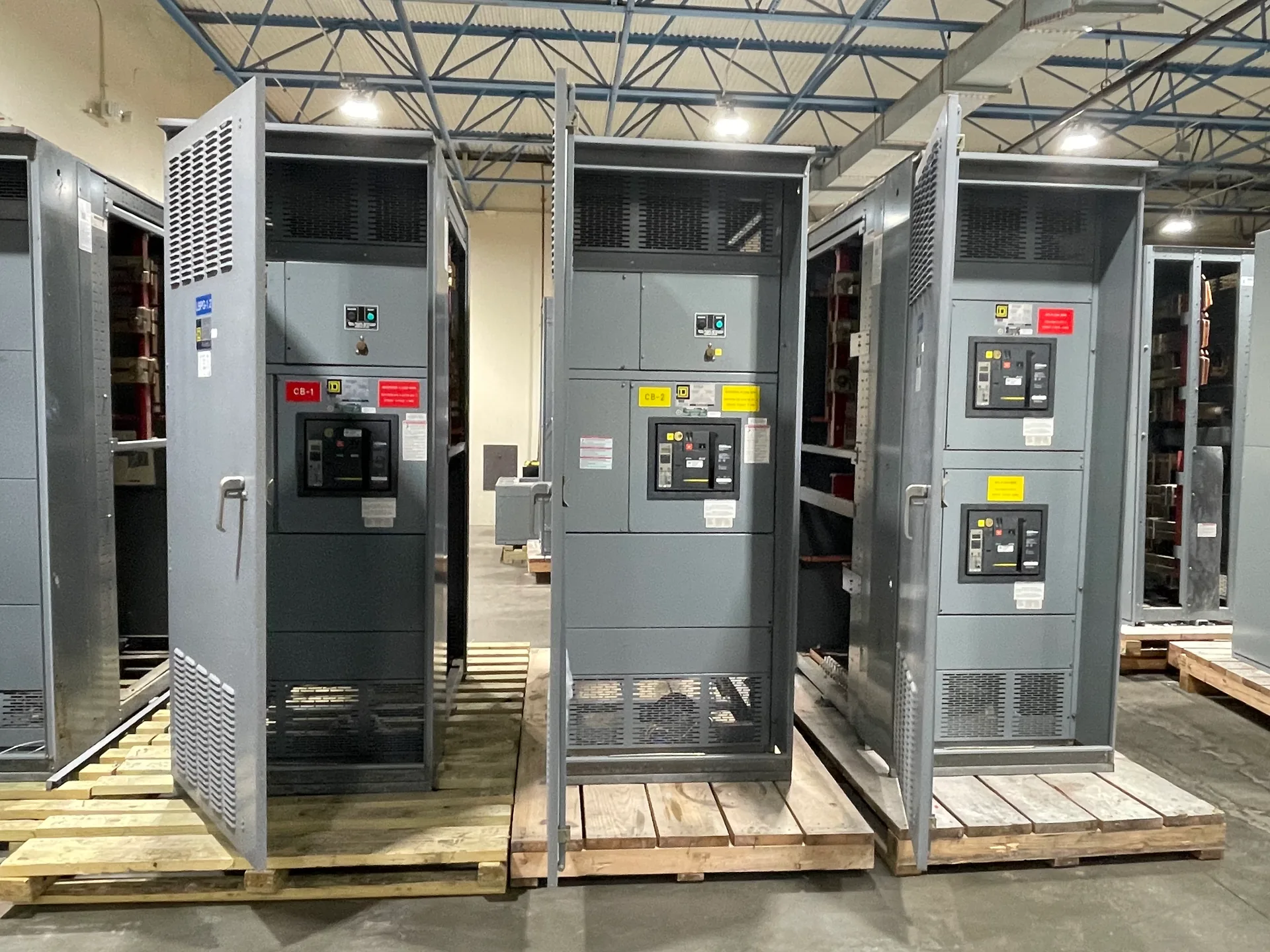
A breaker that looks similar to an installed unit is not necessarily a suitable replacement. Provide the switchboard or switchgear manufacturer and model information, device catalog or part identification, frame and trip details, pole count, voltage and current requirements, interrupting-duty requirements, and any specified accessories. Include drawings, schedules, and nameplate information when available, while having qualified project personnel verify that the records match the intended equipment. Note whether the request concerns a drawout or fixed device and identify relevant mounting, connection, and control interfaces. These details help reviewers assess fit and function without relying on a photograph or a broad description such as “same size.” Final compatibility depends on the exact assembly and specified ratings. Do not assume that a replacement breaker, accessory, or component is interchangeable simply because its dimensions or nominal rating appear to match.
Verify Interchangeability
Interchangeability must be established for the specific equipment and application, not inferred from a shared brand, frame size, or electrical rating. Ask the design team to confirm mechanical fit, bus and connection arrangement, operating mechanism, trip unit, control wiring, accessories, and applicable protection requirements. A substitution can affect more than whether a device enters its space; it may change the documented configuration or require engineering review. Keep the approved drawings and equipment identifiers together with the spare-parts schedule, and record any accepted alternatives explicitly. Where a project specifies a particular manufacturer or device, ask before proposing a substitute. Switchgear Builder Virginia can review requested devices against a custom new-equipment scope, but compatibility, ratings, approvals, and listing implications require project-specific verification. Do not treat a spare as suitable for installation until qualified personnel have confirmed it for the actual assembly and intended use.
Plan Storage and Handling
A spare only helps if it remains identifiable and in usable condition when needed. Specify how each item should be labeled, packaged, documented, and stored, and assign responsibility for maintaining those records. Storage requirements vary by component, so use the applicable manufacturer documentation rather than assuming that a clean, dry-looking room is sufficient. Consider environmental exposure, packaging integrity, handling needs, and any inspection or maintenance guidance that applies. Keep accessories and small components associated with the correct breaker or assembly, and preserve their part identifiers. For larger devices, confirm the space and equipment needed for safe handling without improvising around weight or access constraints. These are planning considerations, not a substitute for product-specific instructions. Buyers should decide where spares will be held and who will verify their condition; the quote should clarify what items are included and what documentation is supplied.
Request an Itemized Scope
Ask for a written spare-parts schedule that identifies each requested device or component, quantity, applicable equipment reference, stated requirements, and any unresolved compatibility question. Separate confirmed selections from alternatives that still need engineering review. Request that quoted scope distinguish included items from exclusions, and confirm whether pricing and schedule cover the spare devices alongside the new switchgear assembly or as a separate line item. Lead times can depend on configuration, component availability, and the complete project requirements; do not plan around an unverified stock assumption or delivery date. Switchgear Builder Virginia offers custom, USA-manufactured equipment with all-American components and nationwide shipping, while actual scope and timing remain subject to quote and verification. For applicable low-voltage switchboards, clarify whether UL 891 requirements apply to the assembly; this standard does not establish breaker interchangeability. A detailed list makes purchasing decisions easier to review.