
BUYING INTENT / MANUFACTURER DIRECT
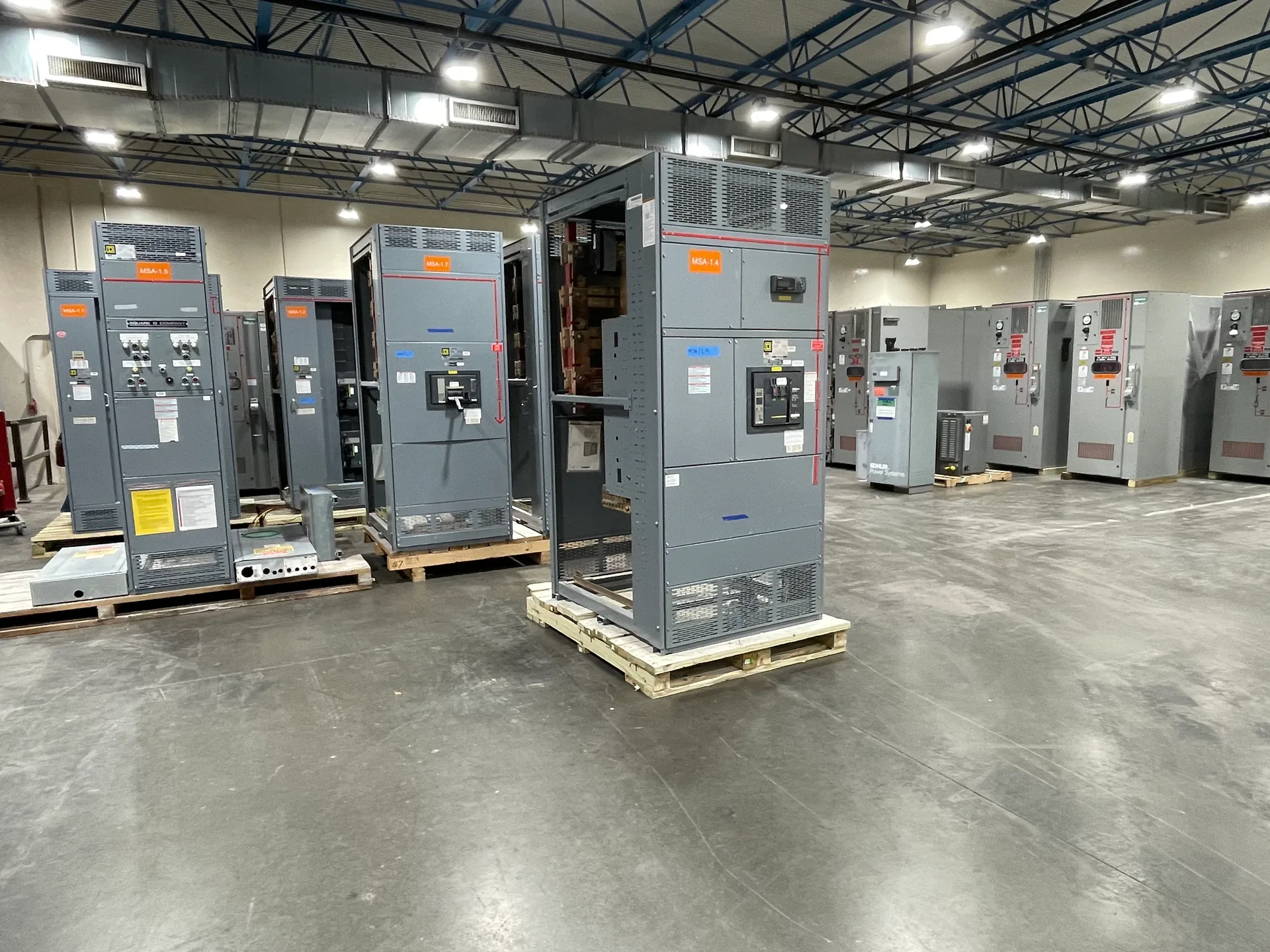
Buying switchgear directly from a manufacturer starts with a clear scope, not a catalog assumption. Switchgear Builder Virginia manufactures new, custom-built equipment in the United States using all-American components, with nationwide shipping. Whether you are planning a replacement or a new distribution system, define what the equipment must serve, identify the ratings and interfaces that need engineering review, and agree on documents, freight, and acceptance responsibilities before placing an order. The checklist below helps structure those conversations; final configuration, schedule, and ratings require a project-specific quote and verification.
Define the scope
Start by describing the system the new equipment must serve: its intended function, installation setting, connected loads, source arrangement, and planned tie-ins. Identify whether the request is for a low-voltage switchboard or another equipment class, because product scope affects which design details and standards need review. Share available one-line diagrams, load information, site constraints, and project specifications, while marking assumptions that still need confirmation. Explain whether this is new construction, a planned replacement, or an expansion around existing equipment; existing conditions can influence interfaces without making the old gear part of the purchase. Ask the manufacturer to identify scope gaps and exclusions in the quote rather than relying on verbal shorthand. A defined scope helps engineering compare equivalent proposals and reduces the risk that a low initial price reflects omitted sections, accessories, or responsibilities.
Prepare rating inputs
Provide the electrical and physical inputs needed to evaluate the proposed configuration, including system voltage, frequency, bus requirements, available fault-current information, and the intended protective-device arrangement. These are project inputs, not proof that a particular assembly or component meets a required rating. Have the responsible design professional or project team confirm applicable values and furnish supporting coordination or study information when required. Describe feeder count, conductor entry and exit preferences, metering, control needs, enclosure conditions, and any space or access limits. For low-voltage switchboards, identify whether a UL 891 assembly is required and have its applicability and exact configuration confirmed in the quote and submittals. Do not infer interrupting, withstand, or other ratings from a voltage number or a general product description. Ask which selections remain open and what information is needed before ratings can be finalized.
Compare quotes and submittals
Evaluate quotes against the same written scope. Check included sections, protective devices, controls, metering, connections, enclosure details, and any specified accessories; then list exclusions and owner- or contractor-furnished items. Ask whether the quoted arrangement is a preliminary concept or a configuration ready for engineering review. Before release, establish the submittal package, review sequence, revision process, and the project party authorized to approve drawings. Confirm what the manufacturer will document and what the customer’s engineer, installer, or inspector must review independently. If a low-voltage switchboard requires UL 891, confirm that the proposed assembly and scope address that requirement rather than assuming a generic listing covers every configuration. Record unresolved ratings, substitutions, deviations, and interface dimensions. A disciplined comparison helps distinguish a genuinely complete proposal from one whose apparent savings depend on unpriced work or assumptions.
Set schedule and freight terms
Treat lead time as a quoted, project-specific planning item, not a promise based on a general statement. Ask when the schedule begins, what approvals or customer-furnished data are prerequisites, and how design changes or delayed decisions may affect the quoted timeline. Switchgear Builder Virginia offers short lead times, but the actual schedule must be confirmed for the requested build and scope. Clarify shipment method, freight responsibility, delivery point, access requirements, unloading arrangements, and who checks the shipment on arrival. Nationwide shipping is available; it does not establish a local office or include site handling unless the quote says so. Identify packaging expectations and the process for documenting visible transit damage or missing items. Coordinate the proposed delivery window with site readiness, storage conditions, and installation planning. Put freight assumptions, schedule dependencies, and any costs or responsibilities in writing before order acceptance.
Plan documentation and acceptance
Before purchase, agree on the documents needed for design coordination, installation, inspection, operation, and closeout. Depending on the quoted scope, request confirmation of available drawings, bills of material, wiring information, operating instructions, and records of any specified inspection or testing. Do not assume a test, approval, certification, or document is included unless it is identified in the proposal and verified for the exact assembly. Define who reviews submittals, coordinates field connections, arranges required inspections, and determines acceptance under the project contract. Establish how discrepancies, shipping damage, incomplete information, or a configuration question will be reported and resolved. Keep approved revisions and final project records together so the installed equipment can be checked against the accepted scope. Switchgear Builder Virginia manufactures new custom equipment in the United States; final deliverables, ratings, and schedule remain subject to quote, project requirements, and verification.