
BUYING INTENT / MANUFACTURER DIRECT
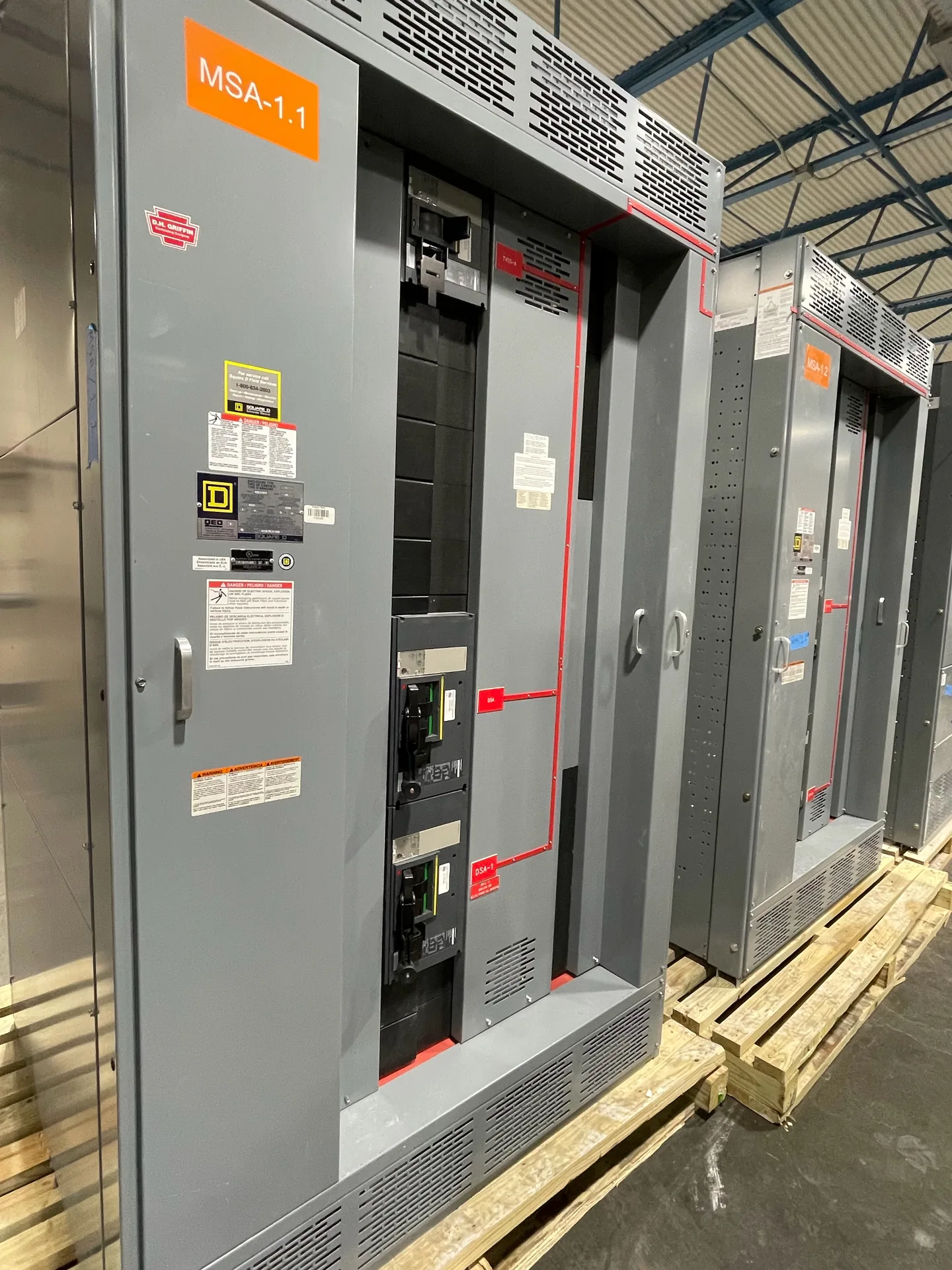
A purchase order should translate the approved equipment design into a clear, reviewable commitment. For new switchgear, the key is consistency: identifiers, drawings, scope, ratings, delivery details and commercial terms should point to the same configuration. Switchgear Builder Virginia manufactures custom equipment in the USA using all-American components, with nationwide shipping. Confirm project-specific requirements and schedules with the manufacturer before release; details remain subject to quote and verification.
Switchgear Purchase Order Details
Start with identifiers that make the order traceable without guesswork. Include the purchaser’s project name or number, the manufacturer’s quotation reference, equipment tag numbers, lineup or section identifiers, and the purchase order number. Check that each identifier matches the latest approved submittal and appears consistently in schedules, drawing registers and correspondence. If a project has multiple lineups, buildings or phases, list them separately rather than relying on a broad description such as “main switchgear.” State the quantity of each lineup and identify any separately ordered components or accessories. These details help prevent a correctly built assembly from being assigned to the wrong project or destination. Before release, have the purchaser and supplier resolve spelling differences, superseded tags, duplicate identifiers and references to earlier quotations. The order should make clear which documents govern if two records use different names for the same equipment.
Drawings and Revisions
Reference the drawing package by document number, revision and approval status, not just by a file name or email date. Identify the approved-for-production drawings that define the ordered configuration, and list any exceptions or open comments that remain to be resolved. A drawing marked approved with comments may still contain decisions that affect layout, connections, accessories or field coordination; make those decisions explicit in writing before release. Compare the purchase order against the matching quotation and submittal revision, and check that later changes have not silently replaced an earlier approved requirement. If the order incorporates specifications, schedules or addenda, identify their titles, dates and revisions as well. Avoid a general phrase such as “per latest drawings” when the parties may hold different versions. A controlled revision list makes review more reliable and provides a clear basis for evaluating proposed changes after the order is placed.
Scope and Ratings
Describe what the quoted scope includes and what it excludes, using the equipment schedule and approved documents as the reference. Depending on the project, confirm the number and arrangement of sections, incoming and outgoing provisions, metering, protective devices, bus connections, accessories and any specified enclosure or environmental requirements. Treat these as project selections to verify, not assumptions based on a generic product description. Confirm system voltage, frequency, phase, bus and short-circuit requirements against the design documents and supplier’s quote; values must be coordinated rather than inferred from a product name or neighboring equipment. Note any required interfaces or separately furnished items, and identify who is responsible for coordination. For applicable low-voltage switchboards, ask whether UL 891 assemblies are specified and confirm the offered configuration and documentation. That standard does not apply to medium- or high-voltage switchgear. Resolve mismatches before release rather than leaving critical scope to interpretation.
Destination and Schedule
State the complete delivery destination, including the receiving organization, street address, site or building designation, and any shipping contact or receiving instructions needed for planning. Confirm whether delivery is to a jobsite, warehouse or another named location, and identify any access, unloading or appointment requirements that the parties have agreed to address. Do not assume freight terms settle who handles site readiness or unloading; document responsibilities clearly and verify them in the quotation and order acknowledgment. Align the requested delivery window with the quoted schedule, and ask the manufacturer to confirm the schedule for the specific configuration. Custom equipment timing can depend on final approvals, scope changes and other order details, so a requested date is not itself a confirmed commitment. Switchgear Builder Virginia offers short lead times, but actual timing is subject to quote and verification. Record any schedule assumptions and communicate changes promptly through the agreed project contacts.
Terms and Release Review
Before issuing the purchase order, reconcile price references, payment terms, freight arrangements, taxes, documentation requirements and any agreed change process with the quotation. Confirm which commercial document controls if the order form and quote use different terms, and route conflicts to the responsible purchasing and project contacts for written resolution. Include submittal and review milestones only when they have been discussed and confirmed; do not treat an internal target date as an accepted supplier commitment. A final release checklist can verify that identifiers match, the cited drawings are current, scope and ratings are aligned, destination details are complete, and revisions are recorded. Ask for an order acknowledgment and review it against the issued order before treating discrepancies as settled. Switchgear Builder Virginia can provide custom-built equipment and ship nationwide; the specific configuration, applicable requirements and schedule must be confirmed for the project. Clear records reduce avoidable ambiguity without replacing technical review.