
COMPARISONS / MANUFACTURER DIRECT
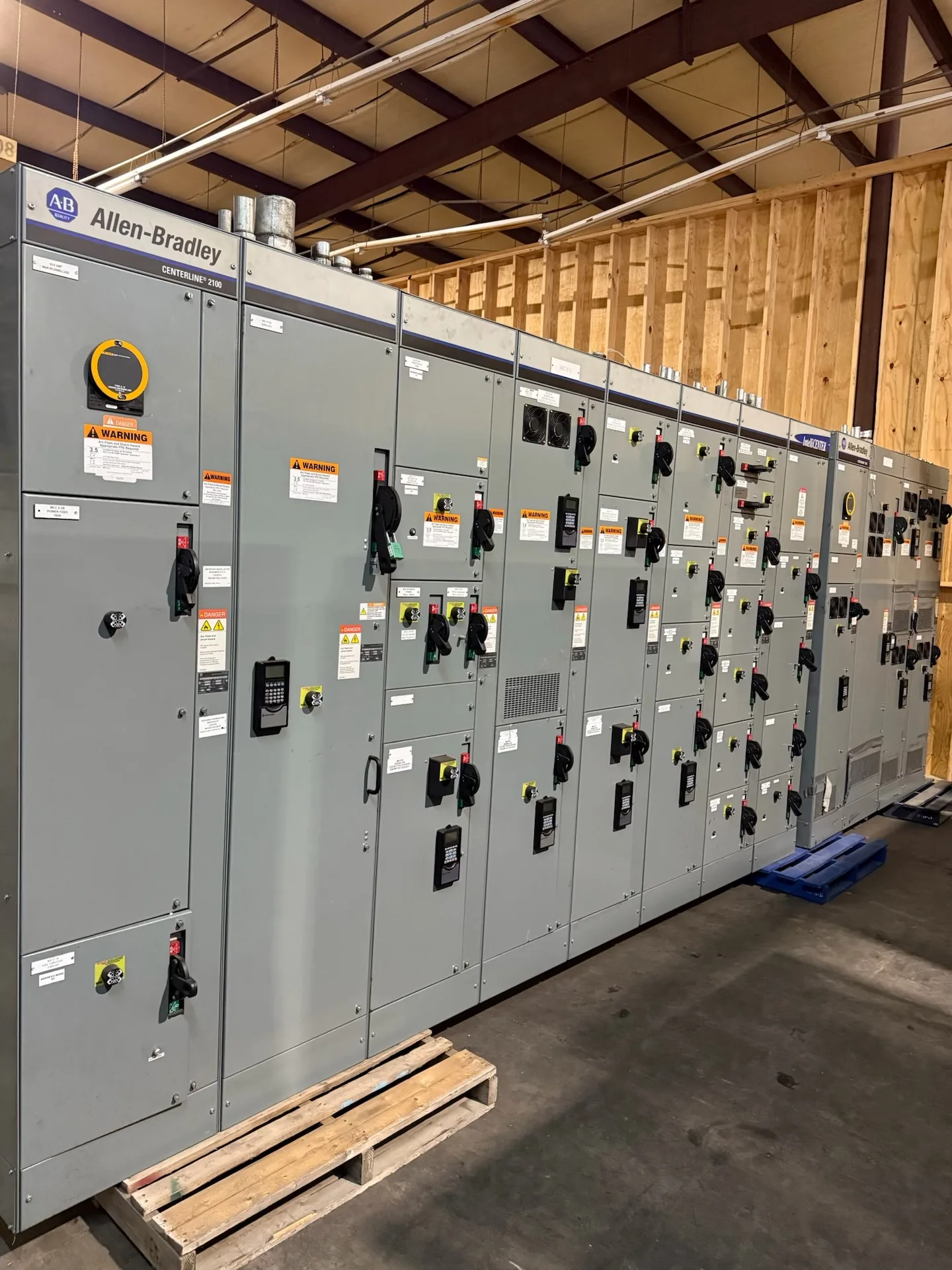
Nominal voltage describes the voltage a power system is designated to operate at; equipment voltage class describes the rating category assigned to devices designed for that system. The terms are related, but they are not interchangeable. A switchgear specification should identify the actual system conditions and the equipment ratings required by the applicable standard and manufacturer data. Switchgear Builder Virginia manufactures custom new switchgear in the USA using all-American components, with nationwide shipping. Final configuration, ratings, and schedule are subject to project review and quote.
Two different numbers
Nominal voltage is the designated operating voltage used to identify a power system, such as the voltage shown on a one-line diagram or project specification. Equipment voltage class identifies a category of equipment intended for use within defined electrical limits. The class rating is not a statement that the system continuously operates at that exact voltage, nor does the nominal number alone establish that a particular assembly is suitable. Buyers should keep both values visible when comparing proposals: the system’s nominal voltage and the required equipment class or maximum rated voltage, as applicable. Also verify whether voltage refers to line-to-line or line-to-ground conditions and whether the documents use consistent terminology. If a drawing, utility requirement, or existing equipment label uses a different convention, resolve that discrepancy before selecting gear rather than treating the terms as interchangeable.
Read the system conditions
Start with the electrical system data, not a product label in isolation. Confirm nominal system voltage, phase, frequency, grounding arrangement, and the operating conditions identified by the engineer or project documents. The voltage present between conductors can differ from the voltage between a conductor and ground, and grounding method can affect how equipment is applied during abnormal conditions. Do not infer those details from a single nominal-voltage entry. For a replacement or expansion, collect the existing one-line diagram, equipment nameplates, and available fault-current information, then have responsible project professionals reconcile them. If source conditions or future changes are uncertain, identify the uncertainty in the specification. That allows the manufacturer to evaluate the requested configuration against the stated system rather than silently assuming that an older label or shorthand description captures every relevant condition.
Check the full rating
Voltage class is only one part of equipment selection. Review the manufacturer’s published data for the applicable voltage rating and the limits or conditions that govern its use. Then check other required characteristics, including continuous current, short-circuit or interrupting capability, insulation requirements, and the arrangement of protective devices, as applicable to the equipment type. These ratings address different duties; a suitable voltage class does not by itself prove that the assembly can handle the project’s available fault current or load. Likewise, a larger number on one rating line does not automatically resolve a mismatch elsewhere. The engineer’s specifications and applicable standards determine which values and evidence are required. Ask for the exact equipment data and configuration under consideration, and have deviations identified explicitly. This makes comparisons more meaningful than choosing by a class name or nominal voltage alone.
Use standards and data
Terminology and rating conventions can vary with equipment type and the applicable standard, so do not apply a rule from one voltage range to another without confirmation. Match the proposed assembly to the standard named in the project documents, then use the manufacturer’s data for that exact product and configuration. Where applicable, low-voltage switchboards may be specified as UL 891 assemblies; that designation does not apply generally to medium- or high-voltage switchgear. Confirm any requested listing, approval, or inspection as a project requirement and verify its applicability to the offered equipment. If documents use “voltage class” without defining the expected rating basis, request clarification from the engineer or specifying authority before procurement. A clear basis avoids comparing products whose labels look similar but refer to different limits, configurations, or standards.
Specify before ordering
A useful purchase specification states nominal system voltage and the required equipment voltage rating or class, along with system grounding, frequency, current, fault-duty criteria, and applicable standards. Include the one-line diagram and identify any project-specific options that affect selection. Ask the supplier to show the proposed ratings in the quotation and product data, and to list assumptions or exceptions for review. For custom new switchgear, Switchgear Builder Virginia can review the stated requirements and develop a configuration subject to engineering verification and quote. Direct USA manufacturing, all-American components, custom builds, short lead times, and nationwide shipping are available company capabilities; actual scope and schedule depend on the quoted project and are not established by a nominal voltage alone. Resolve open technical questions before release, so the selected equipment is evaluated against the real system conditions rather than a shorthand label.