
COMPARISONS / MANUFACTURER DIRECT
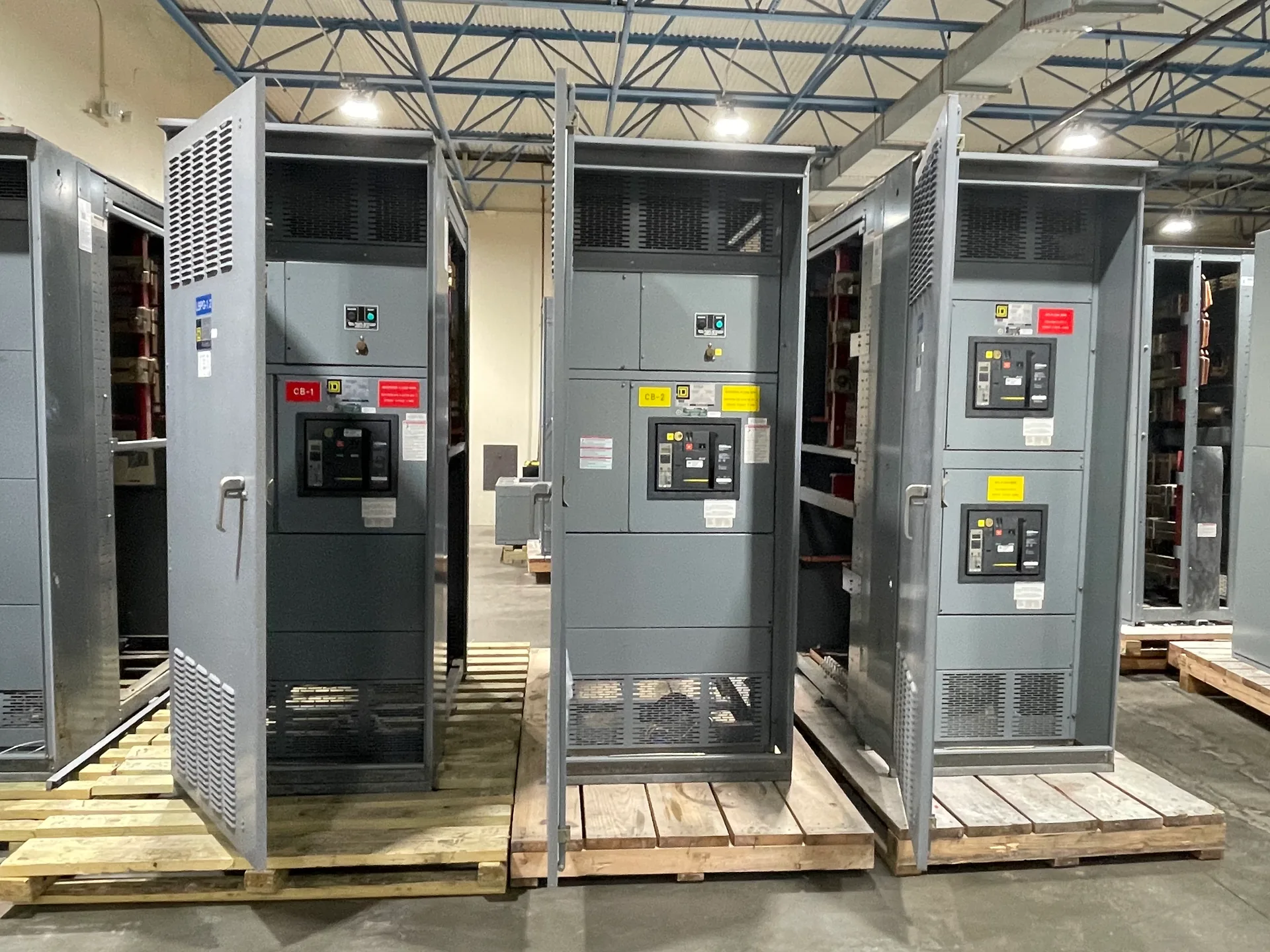
Pad-mounted and outdoor metal-enclosed switchgear can both serve exterior distribution needs, but they arrange equipment, access, and cable connections differently. The right comparison starts with the one-line diagram, voltage and current requirements, fault-duty study, site layout, and operating plan—not appearance alone. A pad-mounted arrangement typically places equipment in a low-profile enclosure at grade; outdoor metal-enclosed gear is commonly arranged as accessible sections or lineups. Actual construction varies by design, so confirm the specific configuration, ratings, clearances, environmental provisions, and maintenance access with the manufacturer and project engineer. Switchgear Builder Virginia manufactures new custom equipment in the USA using all-American components, with nationwide shipping. Schedules and ratings are subject to quote and verification.
Enclosure and footprint
A pad-mounted design generally groups switching equipment and connections inside a compact, ground-level enclosure. Its restrained profile may suit sites where limiting visual prominence matters, but internal compartments can constrain working room and the arrangement of devices. Outdoor metal-enclosed switchgear is often built from adjoining sections, allowing a lineup to place breakers, buses, controls, and cable compartments in an organized sequence. That can make equipment layout easier to adapt to a one-line diagram, while increasing the length and clearance needs of the installation. Neither label fixes the exact footprint: ratings, device count, cable space, and options can change dimensions substantially. Compare outline drawings and service clearances, not catalog category names. Check whether doors, removable panels, lifting provisions, foundations, and future expansion fit the actual site plan before selecting either arrangement.
Access and operation
Access is a major practical distinction. Pad-mounted equipment typically presents doors or access panels at the enclosure exterior, with internal barriers separating compartments according to the selected design. This can keep controls and connections within a compact boundary, but technicians may have less room to position tools or reach components than in a larger lineup. Outdoor metal-enclosed sections may provide more direct front access and, depending on construction, rear access to cable or bus compartments. That can simplify inspection and service planning, but rear access requires usable space behind the gear and does not come with every design. Ask which doors open, which compartments are accessible, what barriers are provided, and what working clearances the project requires. Confirm operating procedures and access controls with qualified personnel; enclosure style alone does not establish safe work conditions.
Cable entry and routing
Cable routing can decide whether either enclosure fits a project. Pad-mounted equipment is often arranged for below-grade cable approach, which may help keep conductors out of view and coordinate with underground distribution. That choice depends on the equipment configuration, conduit locations, bending space, cable size, and foundation or pad details. Outdoor metal-enclosed gear can also be designed for bottom cable entry, while some configurations may accommodate other entry arrangements; verify the actual design rather than assuming entry direction from the product label. A sectional lineup may offer dedicated cable compartments that organize terminations, but the added footprint and cable access space must be planned. Compare the approved one-line and cable schedules against equipment drawings, including phase arrangement, routing, termination clearances, and conduit stub-ups. Confirm all interfaces with the project engineer and equipment supplier before civil work proceeds.
Environment and site layout
Outdoor placement makes environmental details part of the equipment comparison. Rain, snow, ice, dust, corrosion exposure, temperature range, drainage, and potential standing water may affect enclosure materials, finish, heaters, ventilation, or other options. The needed provisions depend on the specified design and site conditions; an outdoor label by itself does not establish suitability for every environment. A pad-mounted enclosure may require a suitable pad, defined door swing, and access around the unit. A metal-enclosed lineup may need a longer foundation, end clearances, and possibly a rear service aisle. Consider vehicle exposure, pedestrian routes, security, nearby structures, and how replacement or lifting access would work. Have the project team verify required clearances, foundation loads, environmental specifications, and applicable codes. Provide site criteria with the request for quote so proposed equipment can be checked against them.
Maintenance and selection
Maintenance planning should compare the actual devices and access provisions, not assume one enclosure type is inherently easier to maintain. Review the manufacturer's maintenance documentation, inspection access, replaceable components, control wiring access, and whether specialized tools or outage coordination may be needed. A compact pad-mounted arrangement may concentrate equipment in limited space; a sectional outdoor lineup may provide more compartment organization but introduce more doors, interfaces, and overall equipment length. Neither format removes the need for qualified personnel, approved procedures, and a planned outage where required. For a sound comparison, submit the one-line diagram, system voltage, continuous-current and fault-duty requirements, switching needs, cable details, site conditions, and future expansion goals. Switchgear Builder Virginia can develop custom new equipment in the USA with all-American components. Ratings, available configurations, and schedules must be verified for the quoted design.