
GLOSSARY / MANUFACTURER DIRECT
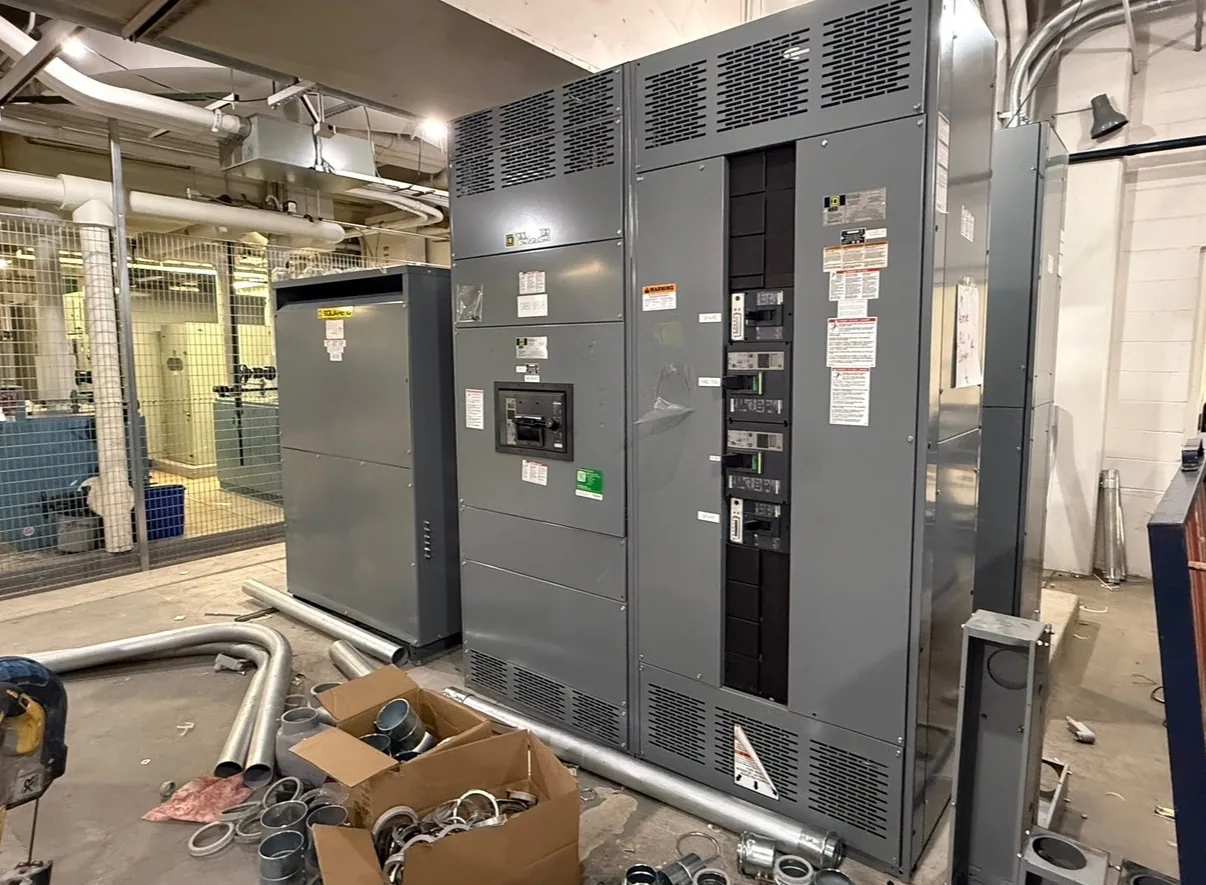
A load-interrupter switch is designed to open or close a circuit carrying load current within its specified operating limits. It gives operators a way to switch a circuit under defined conditions, but the name alone does not establish that the device can clear a short circuit. For a new switchgear project, the key distinction is between normal-load switching and fault interruption. Those duties require different ratings and may call for separate protective equipment. Switchgear Builder Virginia builds custom equipment in the USA with all-American components; the arrangement, ratings, schedule, and applicable approvals must be confirmed for the project.
What the term means
A load-interrupter switch is a switching device designed to make or break current while a circuit supplies a specified electrical load. Its interrupting duty is defined by its rating and operating conditions; it is not an unlimited ability to stop any current. In medium-voltage applications, the switch may be part of metal-enclosed switchgear and may be paired with fuses or other protective devices, depending on the design. The phrase describes a switching function, not a complete protection scheme or a universal equipment rating. Buyers should identify the system voltage, continuous current, load type, and intended switching duty, then confirm that the proposed assembly is suitable. A device name on a one-line diagram is only a starting point: drawings, nameplates, and manufacturer documentation should establish the exact equipment and its capabilities.
Switch versus breaker
A circuit breaker is designed to interrupt specified fault currents as well as perform switching within its own rated duties. A load-interrupter switch, by contrast, is intended to interrupt specified load current, and its label alone does not mean it can clear a short circuit. Some switch arrangements include fuses or work with upstream protective equipment, but the complete combination must be evaluated for the required protection. Do not treat the switch’s load-interrupting rating as a fault-interrupting rating, or assume a breaker and switch are interchangeable because both open a circuit. In a specification, identify which device performs normal switching, which device clears faults, and how coordination is established. The right choice depends on the system study, operating plan, equipment ratings, and project requirements, not on terminology alone.
Fault duty needs separate review
Fault current can greatly exceed normal operating current, so a switch’s ability to open a loaded circuit does not by itself establish that it can interrupt a short circuit. Review the available fault current and required protective-device performance with the project engineer, then verify the proposed switch, fuse or breaker, and assembly documentation against that duty. Depending on the design, a switch may have a short-circuit withstand or making rating without having a fault-current interrupting rating; these terms describe different capabilities. Ask for the specific rating language and the conditions under which it applies rather than relying on a single number or a general product label. If protection is provided by a separate device, confirm how it senses and clears the fault and whether the full equipment arrangement satisfies the project’s requirements.
What buyers should specify
For a quote, provide the one-line diagram, system voltage, continuous-current requirement, available fault-current information, load type, source arrangement, and the switching sequence the equipment must support. Note whether the switch is expected to isolate a transformer, feeder, or another part of the system, and identify the protective device intended to clear faults. Include enclosure, access, cable-entry, space, and control requirements when known. These details help distinguish a load-interrupter switch from a disconnecting switch or circuit breaker and reduce ambiguity about the requested duty. Ratings and configurations are project-specific and must be verified against the design documents and equipment documentation. If the fault study or utility data is not final, flag that clearly; preliminary values should not be treated as approved selection criteria. A clear specification makes tradeoffs visible before equipment is finalized.
Custom equipment review
Switchgear Builder Virginia manufactures new custom switchgear in the United States using all-American components and ships nationwide. For a load-interrupter-switch application, the quote should define the intended switching duty, associated protection, system ratings, and any project-specific construction requirements. The team can review the stated requirements and identify information that still needs confirmation; the quote and approved submittals govern the final configuration. Lead times are assessed for the particular build and schedule, rather than assumed from a general statement. Where a project calls for applicable low-voltage switchboards, UL 891 assemblies may be relevant; that standard does not apply to medium-voltage switchgear. Any requested ratings, inspection or test scope, and approval requirements should be stated and verified for the actual assembly. This keeps the equipment description aligned with its documented function and avoids implying fault-interruption capability where it has not been established.