
GLOSSARY / MANUFACTURER DIRECT
An automatic transfer switch (ATS) moves a connected load from one power source to another when its controls detect conditions that call for a transfer. It has interfaces for a normal source and an alternate source, plus a load connection. The switch’s role is to select and connect a source; it does not create power. For a new system, buyers should define which sources are available, what conditions should initiate transfer, which loads need backup, and how the equipment must coordinate with the rest of the electrical design. Switchgear Builder Virginia manufactures new, custom-built electrical equipment in the United States with all-American components and ships nationwide. Configuration, ratings, and schedules require project-specific review and quotation.
What the switch does
An automatic transfer switch connects a load to one of two power sources according to its control logic. The normal source is the preferred supply during ordinary operation; the alternate source is another supply designated to serve the load when transfer is called for. The ATS monitors selected conditions and operates switching components to change the connected source. It is a transfer device, not a generator, battery, or power source in itself. In a typical backup arrangement, the alternate source might be a generator, but the actual source and its capabilities must be confirmed for the project. The switch’s job is to provide a controlled path between source connections and the load connection. Buyers should distinguish the ATS from the broader switchgear or distribution assembly in which it may be installed or with which it may coordinate.
Source and load interfaces
The normal-source interface connects the preferred supply to the transfer equipment, while the alternate-source interface connects the backup or secondary supply. A separate load interface carries the selected source onward to the circuits being served. These interfaces must match the project’s electrical design, including the specified system voltage, phase, conductors, grounding approach, and required ampacity. Those values are project inputs, not assumptions that can be inferred from the phrase “automatic transfer switch.” Designers also need to identify where the ATS sits in the distribution path and which downstream loads it serves. That boundary affects equipment selection, cable routing, coordination, and the consequences of a transfer. Confirm connection details and ratings against approved project documents and the proposed equipment submittal before procurement or installation.
How transfer decisions are set
Control settings determine what the ATS monitors and when it initiates a transfer. Depending on the selected design, monitoring may include source availability or other specified electrical conditions. The control sequence should state what qualifies as an unacceptable normal source, how the alternate source is made available, and what conditions permit return to normal service. Timing settings can affect continuity, source coordination, and operation of connected equipment, so they should be established by the project’s responsible electrical professionals rather than guessed from a generic description. Some designs may provide operator controls, status indication, or additional monitoring features, but these are configuration details to verify. Buyers should request a clear sequence of operation and confirm that the proposed control functions align with the backup source and facility requirements.
Transfer behavior and tradeoffs
Transfer behavior is a design choice with practical consequences. An open-transition arrangement disconnects one source before connecting the other, avoiding intentional overlap between sources but creating a brief interruption to the load. Other transition approaches may be considered only where the sources, equipment, control scheme, and project requirements support them. The appropriate choice depends on the connected loads, source characteristics, operational priorities, and applicable design requirements. A buyer should not assume that every load tolerates the same interruption or that two sources can be connected together. Ask the design team to explain the expected sequence, transfer timing, and return behavior for the selected arrangement. Confirm any special requirements for sensitive equipment, critical processes, or coordination with a generator controller before specifying the ATS.
Specify the complete application
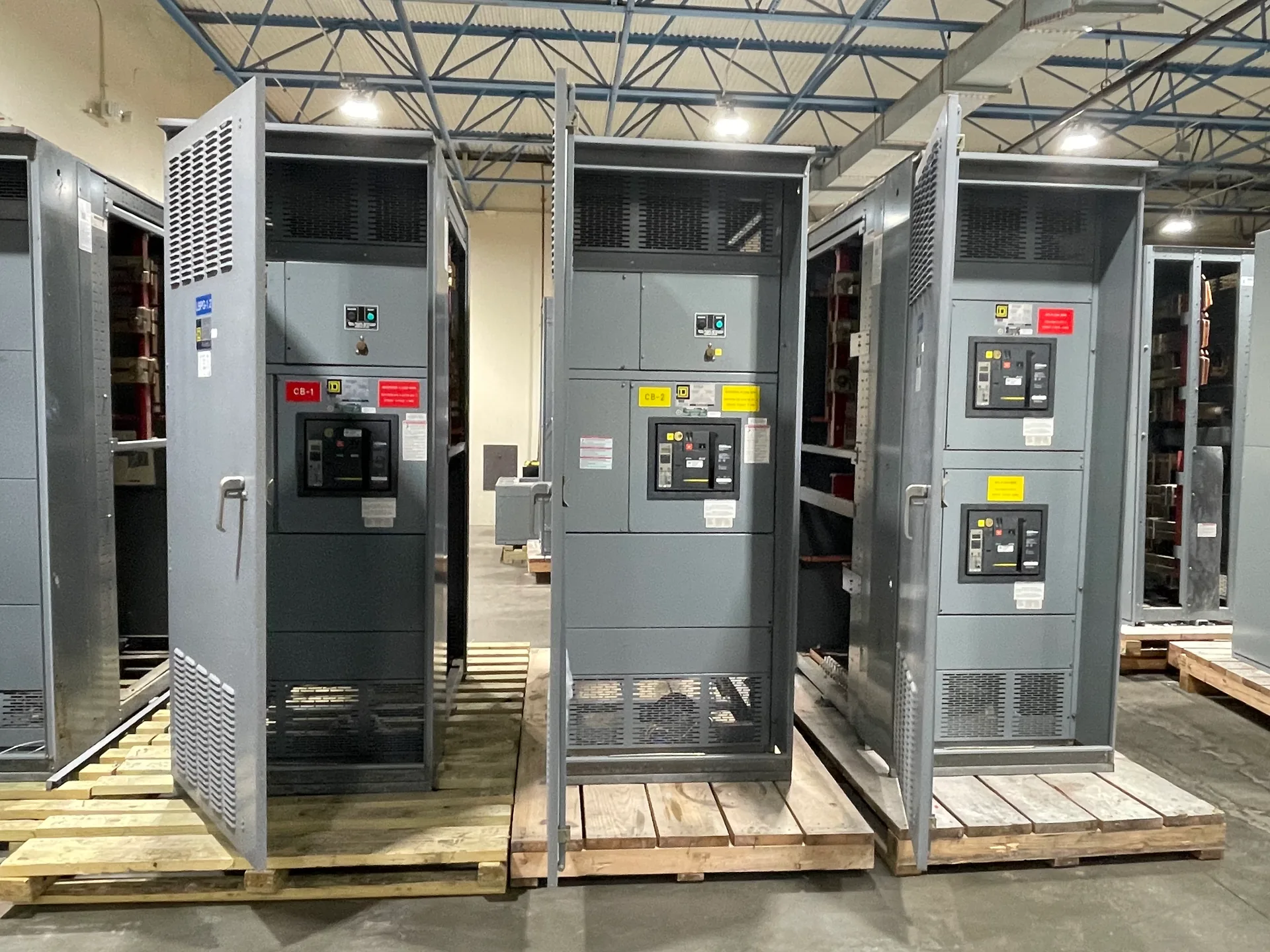
A useful request for quotation identifies the normal and alternate sources, load served, system electrical details, intended operating sequence, installation arrangement, and any project-required monitoring or control functions. Include drawings or specifications that clarify how the ATS interfaces with upstream protection, downstream distribution, and the alternate-source equipment. State whether the equipment is standalone or part of a larger assembly, and identify any dimensional, access, or environmental constraints that are known. Ratings, construction, and available features must be reviewed against the actual design; the topic name alone does not establish a suitable configuration. Switchgear Builder Virginia can develop custom new equipment for the quoted application using direct USA manufacturing and all-American components. Final scope, ratings, and schedule remain subject to project review, quotation, and verification.