
GLOSSARY / MANUFACTURER DIRECT
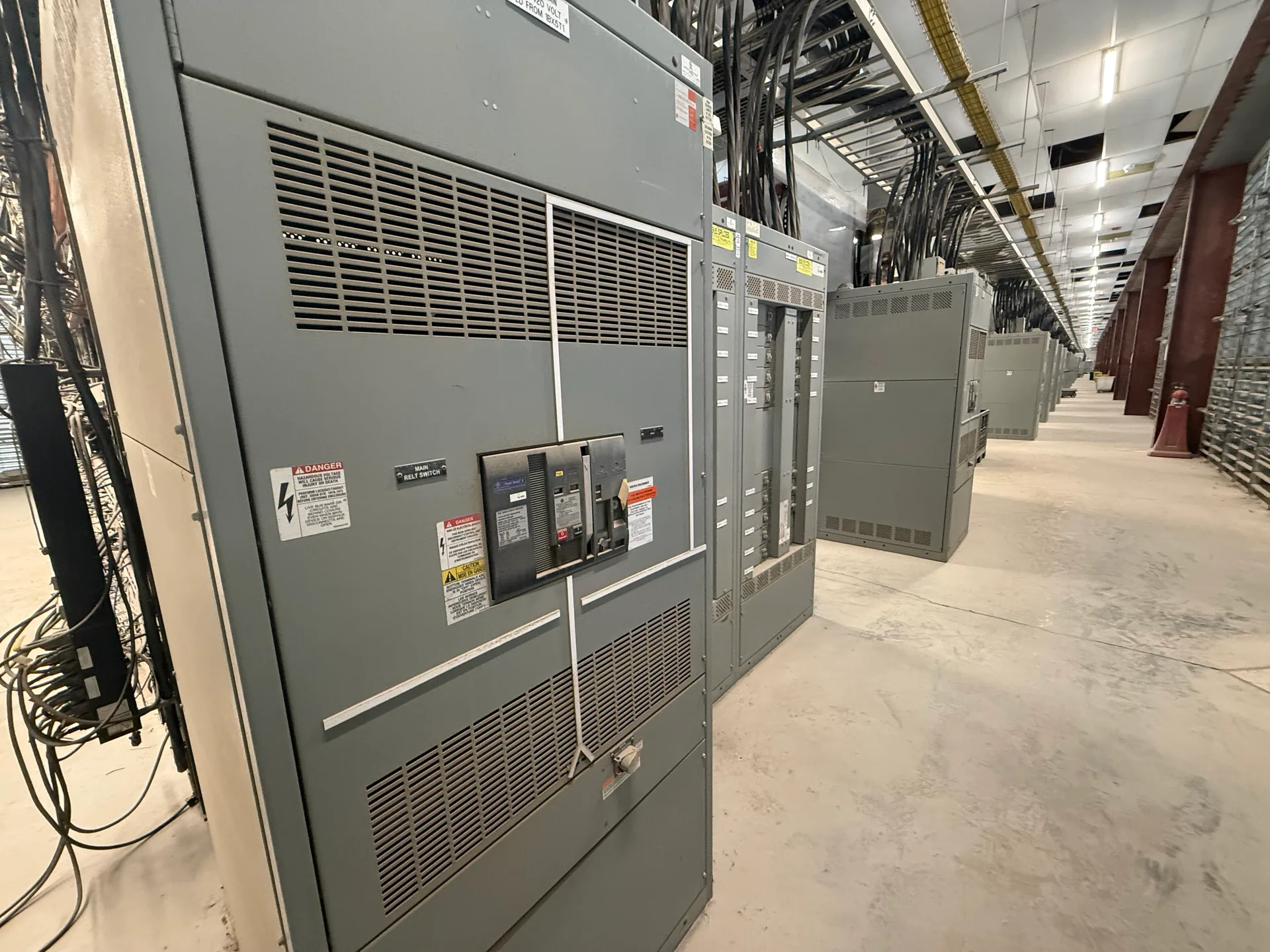
A switchgear lineup is an assembled group of connected equipment sections arranged to work as one coordinated installation. The term describes the overall assembly, not a single breaker, switch, or other component inside it. Understanding that distinction helps buyers discuss scope, space, access, and future needs before requesting a design. The exact lineup configuration depends on the project and must be confirmed during engineering and quoting.
What a Lineup Means
A switchgear lineup is a group of equipment sections joined or arranged together to form a larger electrical assembly. Each section has a defined place in the overall layout and may house a different function, such as incoming power, distribution, metering, or protective devices. The exact functions depend on the application; the word “lineup” alone does not establish a particular voltage, rating, or set of features. Think of it as the complete arrangement of sections specified for a project, rather than as one piece of equipment with a single purpose. Buyers commonly use the term when discussing the overall assembly, its footprint, and how equipment functions are organized. A proposed lineup should be reviewed against project documents and site constraints, with ratings and configuration verified in the quote and engineering process.
Lineup Versus Device
An individual device is one component within an electrical system; a lineup is the larger assembly that can contain multiple devices and sections. For example, a breaker may provide a particular protective or switching function, but it does not by itself describe the full arrangement of incoming connections, distribution sections, enclosures, or interfaces. Likewise, a switch is not synonymous with a lineup. This distinction matters when requesting a quote: asking only for a breaker or switch may leave the overall equipment scope unclear, while asking for a lineup signals that the connected section arrangement is part of the discussion. The devices included, their roles, and their ratings still need to be specified and verified. Clear drawings, schedules, and project requirements help define what is included, rather than relying on the word “lineup” to imply unlisted equipment.
Why Section Layout Matters
Section layout affects how the assembly fits the available room and how its functions are organized. The number and width of sections influence the lineup’s overall dimensions, while the order of sections can affect cable entry, connection locations, and how operators reach equipment. Those details must be coordinated with the project’s electrical documents and physical site conditions. A layout that works on paper may need revision if the room has limited clearance, structural obstructions, restricted access routes, or fixed connection points. Buyers should identify known constraints early and provide accurate drawings or measurements for review. The manufacturer and project team can then evaluate a proposed arrangement and confirm what is feasible. Do not assume that two lineups with similar device lists will have identical dimensions or interfaces; their section arrangements may differ significantly.
Planning the Configuration
Before requesting a custom lineup, gather the information that defines both its electrical duties and its physical boundaries. Useful inputs may include one-line diagrams, equipment schedules, required system ratings, connection preferences, available room dimensions, cable routing, and anticipated operating needs. These are project inputs, not ratings or features that can be inferred from a general description. Identify which details are fixed and which may be adjusted, so the design discussion can focus on meaningful tradeoffs. For instance, arranging functions across more sections may affect the footprint, while placing connections at a particular end may constrain layout choices. Confirm access and installation requirements with the responsible project professionals. Switchgear Builder Virginia manufactures custom builds with all-American components and direct USA manufacturing; configuration, ratings, schedules, and any applicable requirements remain subject to quote and verification.
Questions to Confirm
When reviewing a proposed lineup, ask which functions each section serves, how sections connect, what overall dimensions and connection points are shown, and which project requirements remain unconfirmed. Check that the equipment schedule and drawings describe the same scope, and have qualified project personnel resolve discrepancies before fabrication. Ask whether the stated ratings, enclosure details, and any requested approvals or inspections have been included and verified; they should not be assumed from the lineup label. If future expansion matters, discuss that need during planning, since reserved space or a compatible arrangement may affect today’s design. Switchgear Builder Virginia can discuss custom configurations and nationwide shipping, with lead times and shipping schedules confirmed for the specific quote. A careful section-by-section review helps buyers understand what the lineup includes and whether the proposed arrangement addresses the project’s documented needs.