
TECHNICAL GUIDES / MANUFACTURER DIRECT
A switchgear condition assessment organizes available evidence about equipment without treating age or a single defect as an automatic replacement decision. For a project involving new equipment, Switchgear Builder Virginia can use documented requirements to develop a custom-build scope. Useful inputs include equipment identification, operating environment, maintenance history, test records, observed conditions, and the owner’s priorities. Findings still need qualified review, and any replacement scope, ratings, schedule, and configuration must be verified for the specific project.
Define the Scope
Start by identifying what the assessment covers: the switchboard or switchgear lineup, particular sections, connected equipment, or the electrical distribution system as a whole. Record the equipment’s nameplate information, drawings, known modifications, and the reason for the review. That reason might be maintenance planning, a facility change, recurring operational concerns, or evaluation of a possible new-equipment project. Keep observations separate from conclusions: a damaged component is an observation; its cause, severity, and implications require review. Identify who is responsible for collecting records and who is qualified to interpret them. Before setting priorities, note operational constraints such as permitted outage windows and loads that cannot readily be interrupted. These details help decision-makers compare options without assuming that every older lineup should be replaced or that an assessment alone establishes a final scope.
Record Age and Environment
Document equipment age using available nameplates, purchase records, drawings, or maintenance files, and note when the date is uncertain. Age is useful context, not a stand-alone measure of remaining service life or a replacement trigger. Describe the installation environment as observed or reported: indoor or outdoor placement, exposure to moisture or dust, temperature concerns, vibration, corrosive conditions, and nearby work that could affect the equipment. Record any known changes to the room, ventilation, loading, or protection from environmental exposure. Do not infer an equipment rating from the building location or appearance. A qualified reviewer can determine which environmental and operating details matter for the specific design and applicable requirements. For buyers considering new equipment, these conditions can inform enclosure, layout, materials, and other options, but the required specifications must be confirmed for the project rather than assumed from the assessment notes.
Review Maintenance and Test Records
Collect maintenance records, prior inspection reports, test results, repair documentation, and records of settings or component changes, where available. Include the date, equipment covered, methods used, and qualifications or organization responsible for the work if documented. A test result should be interpreted in context: the test type, conditions, limits, and comparison basis matter, and a number by itself does not establish overall condition. Missing records mean that the history is incomplete; they do not prove that maintenance was neglected or that equipment has failed. Avoid combining results from different components or dates as if they describe one consistent state. Have qualified personnel determine whether additional evaluation is appropriate and how it can be performed safely. For planning new switchgear, verified records may help define interfaces and requirements, while gaps should be identified explicitly so they can be addressed during engineering and quotation.
Describe Observed Defects
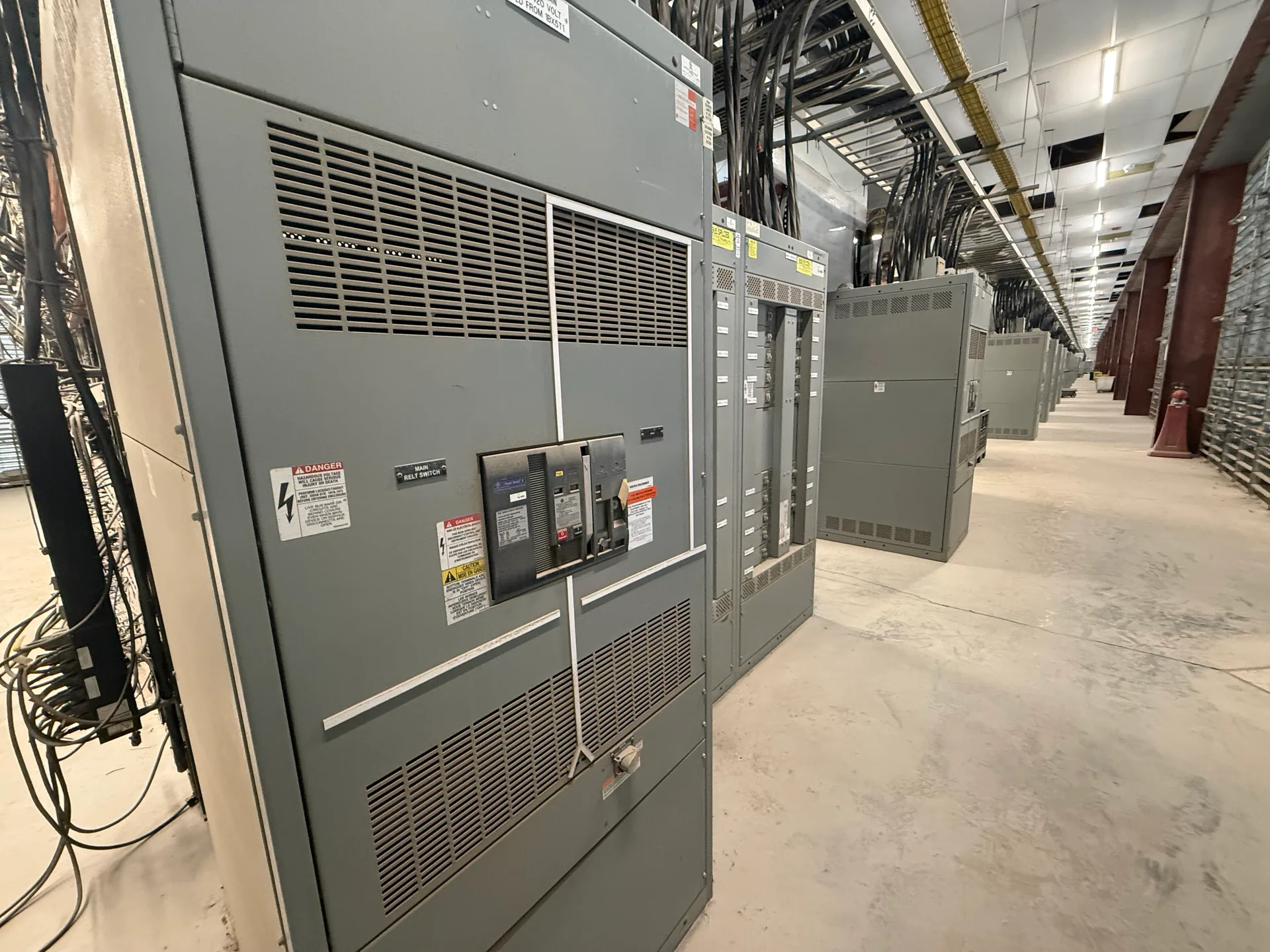
Record visible or reported concerns with enough detail for a qualified reviewer to understand what was noticed, where it was found, and when. Examples of useful descriptions include a location-specific note about corrosion, damaged insulation, abnormal noise, discoloration, contamination, or a door that does not align as expected. When permitted, attach dated photographs and identify the relevant compartment or drawing reference. Do not open energized equipment, remove barriers, or perform tests to improve the record; condition documentation is not a substitute for established safety procedures or qualified inspection. Distinguish confirmed observations from reports, suspected causes, and unverified interpretations. Note whether the issue is isolated or appears in multiple locations, without declaring a failure mechanism unless supported by appropriate evaluation. Clear observations help the owner decide what needs further review and give a manufacturer better information when developing a potential new-equipment scope.
Separate Findings From Decisions
An assessment should present evidence, limitations, and open questions before recommending a course of action. Findings may support continued maintenance, additional evaluation, targeted repairs by qualified providers, operational planning, or consideration of replacement; the appropriate choice depends on verified conditions, system requirements, risk tolerance, and project constraints. Replacement is not automatic merely because equipment is old, records are incomplete, or a defect has been observed. If new switchgear is being considered, define required functions, system interfaces, applicable ratings, dimensions, access needs, and outage coordination for engineering review. Switchgear Builder Virginia manufactures new, custom-built equipment using all-American components, with nationwide shipping and short lead times; actual configuration and schedule are subject to quotation and verification. UL 891 assemblies are available where applicable, with applicability confirmed for the specific low-voltage switchboard scope. A documented assessment supports a better-defined discussion; it does not establish ratings or delivery commitments.