
INDUSTRIES / MANUFACTURER DIRECT
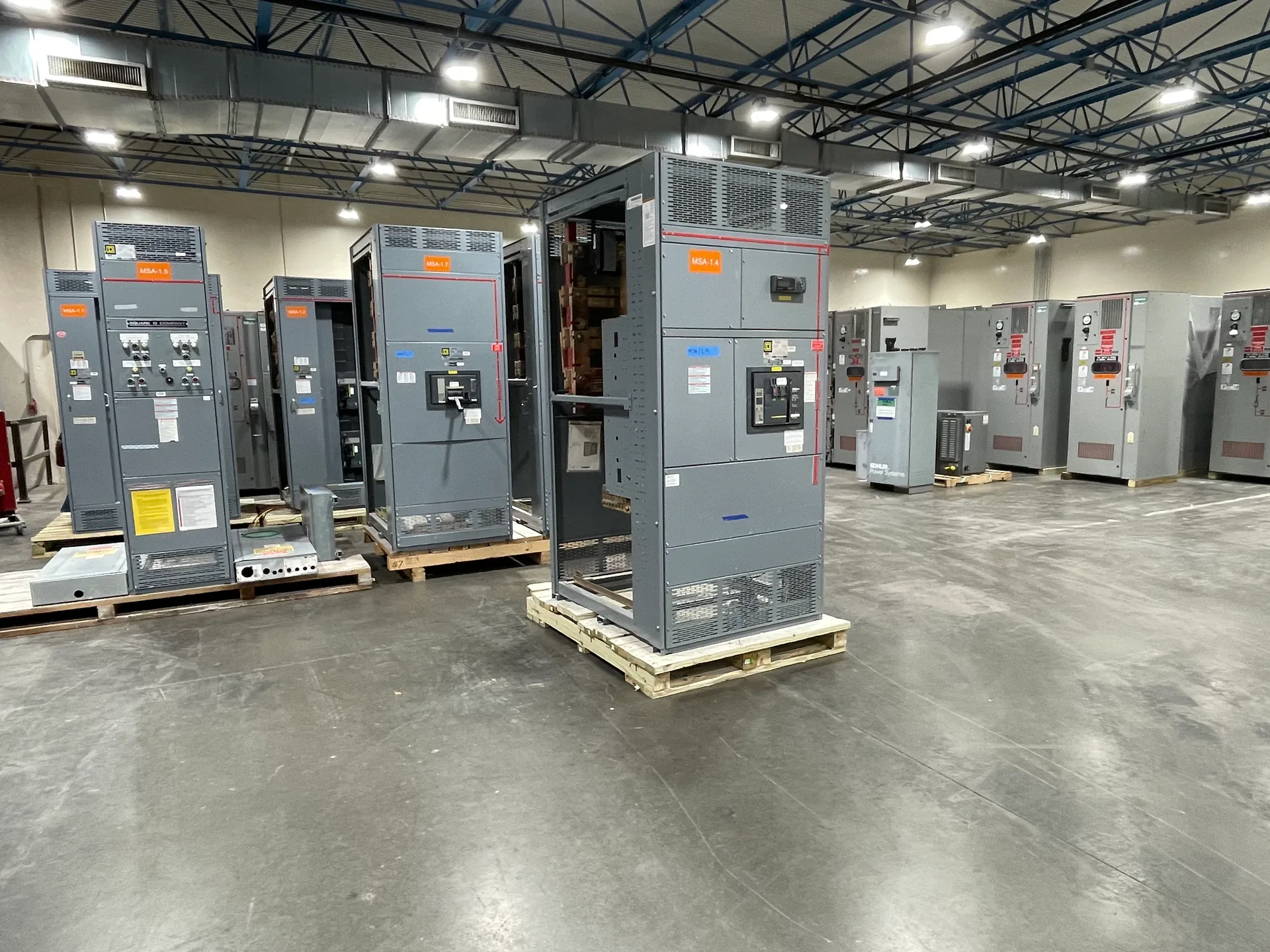
Airport facility switchgear planning starts with the loads that must remain available, the conditions under which they operate, and the owner’s approved scope. A terminal, maintenance building, or other airport facility may have different continuity needs, operating schedules, and control interfaces; no single lineup suits every project. Switchgear Builder Virginia manufactures new, custom-built equipment in the USA using all-American components, with nationwide shipping and short lead times subject to quote and verification. Early coordination can help buyers identify design questions before equipment details are finalized.
Sort Loads by Function
Start by identifying which facility loads the owner classifies as critical, essential, or noncritical; do not infer those categories from a room name or equipment label. Depending on the approved project scope, loads might include operational systems, life-safety-related equipment, passenger services, administration, or building utilities. The owner and design team should define required operating states, acceptable interruptions, and any load-shedding priorities. A load schedule that records source, destination, demand assumptions, and operating priority gives the switchgear designer a clearer basis for feeder arrangement and spare provisions. Grouping everything as critical can increase lineup size and complicate source capacity decisions, while understating critical loads can undermine the intended operating plan. Switchgear Builder Virginia can develop custom new equipment to documented requirements; final configurations, ratings, and schedules require project-specific review and verification.
Plan Backup Sources
Backup power is a system-level decision, not simply a choice of adding another incoming connection. Confirm which sources are contemplated, what loads each source is intended to support, and how the owner expects transfers or restoration to occur. The project team should coordinate switchgear interfaces with generator controls, transfer equipment, protective devices, and any upstream utility requirements that apply. Source capacity, available fault current, grounding arrangement, and transition sequence affect equipment selection and must be established or verified by qualified project professionals. A design that preserves every load on backup may require more capacity than a prioritized arrangement; shedding selected loads can reduce demand but adds control and coordination requirements. Document normal, alternate, and abnormal operating conditions before drawings are approved. Equipment features and ratings remain subject to scope, engineering review, and quote.
Respect Airport Operations
Airport facilities may need construction and electrical work coordinated around operating hours, restricted areas, access procedures, security rules, and owner-approved outages. These conditions vary by site and project, so buyers should confirm them with the facility owner and relevant project authorities rather than assume a standard work window. For a hypothetical terminal upgrade, the project team might phase feeders so that only an approved portion of the electrical distribution is affected at a time; whether that approach is feasible depends on the actual system and approved plan. Equipment dimensions, shipping route, staging area, lifting access, room clearances, and installation sequence also deserve early review. Switchgear Builder Virginia offers nationwide shipping and short lead times subject to quote and verification, but transport or production timing should not be treated as a confirmed project schedule until reviewed for the specific order.
Define Controls and Signals
Control interfaces should be described in terms of the information and actions the owner needs, not just a request to make equipment compatible. Identify intended monitoring points, alarms, metering, remote commands, communications protocols, and the party responsible for each interface. Confirm whether the switchgear is expected to exchange status with a building management system, generator controls, transfer equipment, or another owner-designated system. The design team should document signal boundaries, control power assumptions, interface drawings, and any required operating permissions. More monitoring can improve visibility, but it may add wiring, integration work, and commissioning coordination; remote control also requires clear authority and operating procedures. Available features are project options, not assumed standard provisions. Review interface requirements with the controls integrator and owner before finalizing drawings, and verify all selected functions against the quoted equipment scope.
Verify Scope and Equipment
Before requesting a quote, assemble owner requirements, one-line diagrams, load information, source details, fault-current data when available, environmental conditions, and the required control interfaces. Identify the equipment voltage class and whether the scope is a low-voltage switchboard or another type of switchgear; terminology alone does not settle that distinction. UL 891 applies only to applicable low-voltage switchboard assemblies, so confirm whether it is required and applicable to the specified assembly rather than assuming it covers other voltage classes. Also define lineup arrangement, incoming and feeder provisions, metering, protective devices, and documented spare capacity expectations. Switchgear Builder Virginia manufactures new custom equipment in the USA using all-American components. Ratings, approvals, schedules, and final configuration require review and verification against the approved project documents and quote; do not treat a preliminary concept as a released design.