
INDUSTRIES / MANUFACTURER DIRECT
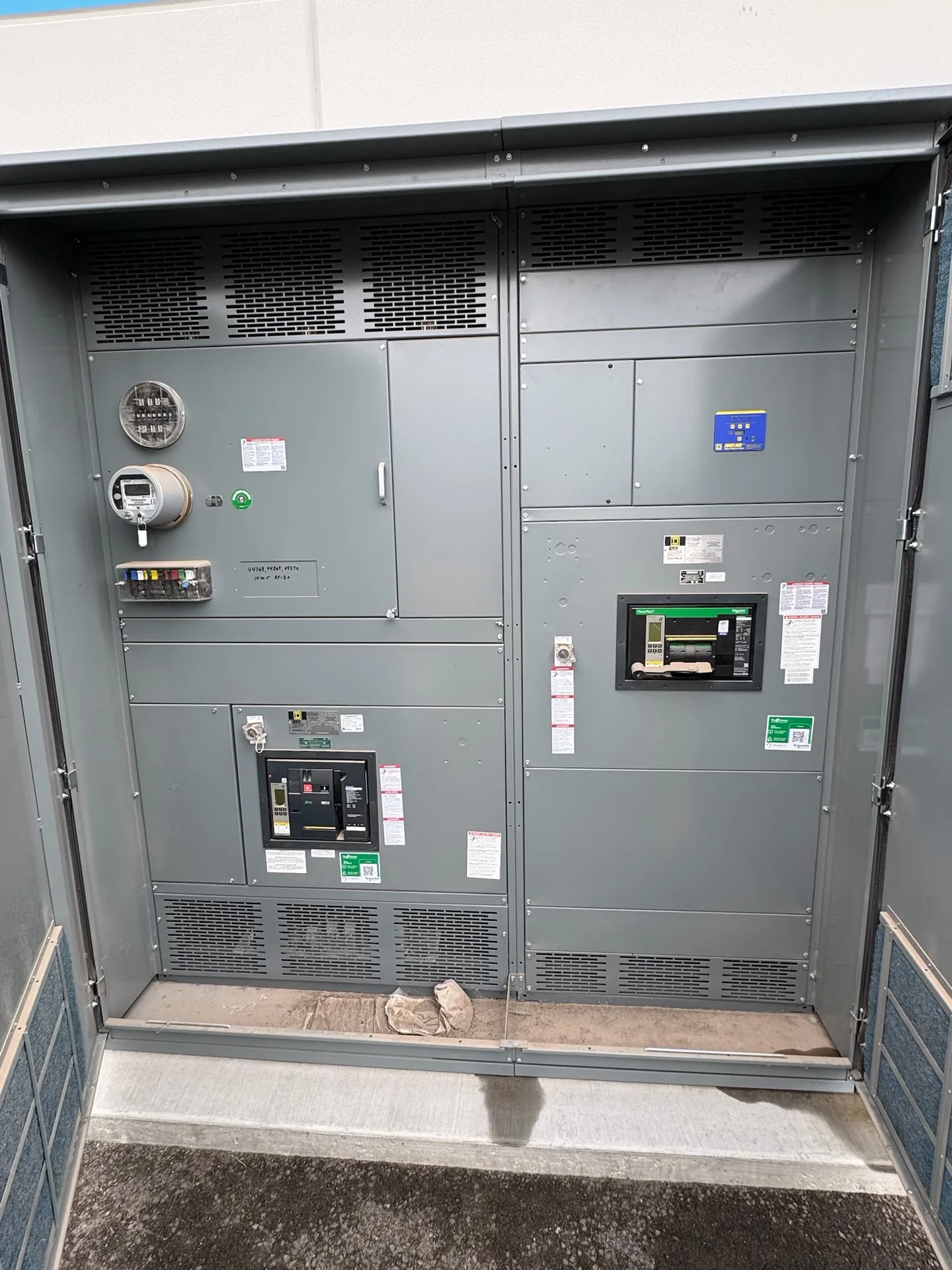
Telecommunications sites combine utility service, backup sources, rectifiers, batteries, and varied AC loads, but these systems do not always belong to one equipment package. A useful switchgear scope starts by mapping who owns each part, what must remain energized during an outage, and how planned expansion affects the lineup. Switchgear Builder Virginia manufactures custom new equipment in the USA using all-American components, with nationwide shipping and short lead times subject to project review. The right arrangement depends on verified drawings, system ratings, and coordination requirements—not on assumptions about a typical telecom site.
Define the System Boundary
Start with a one-line diagram that shows the service entrance, standby source connections, switchgear, rectifier inputs, and major AC loads. Then identify the handoff between AC distribution and the DC plant. The switchgear scope may include AC breakers, transfer equipment, metering, and feeder sections, while rectifiers, battery strings, DC distribution panels, and controls may be supplied by a telecom power-system owner or another vendor. That boundary should be explicit in specifications and responsibility schedules: who provides each device, who furnishes interconnecting conductors, and who verifies control and alarm interfaces. Confirm grounding arrangement, available fault current, system voltage, and any required isolation or bypass features from project documents. This early coordination prevents gaps and duplicated equipment without implying that every project uses the same architecture.
Account for Rectifier and AC Loads
Rectifiers convert AC input into DC power, but the AC switchgear should be sized around the actual input arrangement and facility loads, not a guessed DC capacity. Gather rectifier manufacturer data, quantity, input current, power factor, inrush or harmonic information where provided, and the intended number of operating and spare modules. Separately list HVAC, cooling, lighting, pumps, security, and other supporting loads, distinguishing essential from nonessential circuits. Confirm whether loads operate continuously, start intermittently, or are expected to run from standby power; those details can affect feeder selection and source capacity. Breaker frame and trip settings, bus ratings, and enclosure details require verification against the electrical study and applicable project requirements. For low-voltage switchboards, UL 891 assemblies may be specified where applicable; confirm the required construction and documentation for the particular scope.
Coordinate Backup Interfaces
A standby generator, alternate utility source, or other backup arrangement can connect through transfer equipment or a defined switchgear interface, but the selected topology depends on the site's operating sequence and ownership. Establish which source is primary, what transfers automatically or manually, whether loads are shed, and which equipment provides the control logic. Confirm source ratings, neutral switching needs, grounding, interlocks, and available fault current with the responsible electrical engineer and equipment suppliers. The AC lineup must coordinate with generator controls and rectifier behavior without assuming that batteries can support every AC load. Specify the intended transfer boundary and provide interface points, control power, and status signals where required. Review how planned maintenance or a source failure changes the load path. These decisions shape compartment arrangement, breaker selection, and safe access, and should be settled before drawings are released.
Plan Selective Protection
Protection should isolate a faulted branch while preserving unaffected service where the system design allows. That outcome depends on coordinated protective-device settings, fault-current data, conductor characteristics, and the upstream utility or generator source—not merely choosing a larger breaker. Request a coordination study or applicable engineering criteria, then review how switchgear main and feeder devices interact with downstream rectifier input protection and other distribution equipment. Check interrupting ratings and short-circuit withstand requirements against verified system conditions; do not infer ratings from a product label or a nominal voltage alone. Consider metering and indication that help operators distinguish a source issue from a feeder trip, while defining who supplies monitoring and communications hardware. Any required arc-flash assessment, testing, inspection, or field commissioning should be assigned and confirmed in project documents. Switchgear Builder Virginia can build to reviewed specifications; scope and ratings remain subject to quote and verification.
Reserve Practical Expansion Capacity
Telecom demand can change as equipment is added, replaced, or consolidated, so reserve capacity should be a documented design choice rather than an arbitrary empty space allowance. Identify expected future feeders, spare breaker positions, bus capacity, cable entry space, and room for control wiring, then check that each reserve is compatible with the enclosure and thermal design. A spare compartment does not by itself establish that the bus, service, generator, or upstream protection can support additional load. Ask whether future circuits need independent metering, specific trip functions, or a different source path, and distinguish provisions included now from work that would require later engineering or equipment. Provide current and forecast load schedules with the request for quotation. Switchgear Builder Virginia manufactures custom new equipment in the USA and ships nationwide; configuration, schedule, ratings, and any applicable UL 891 requirements are confirmed for the quoted low-voltage switchboard scope.