
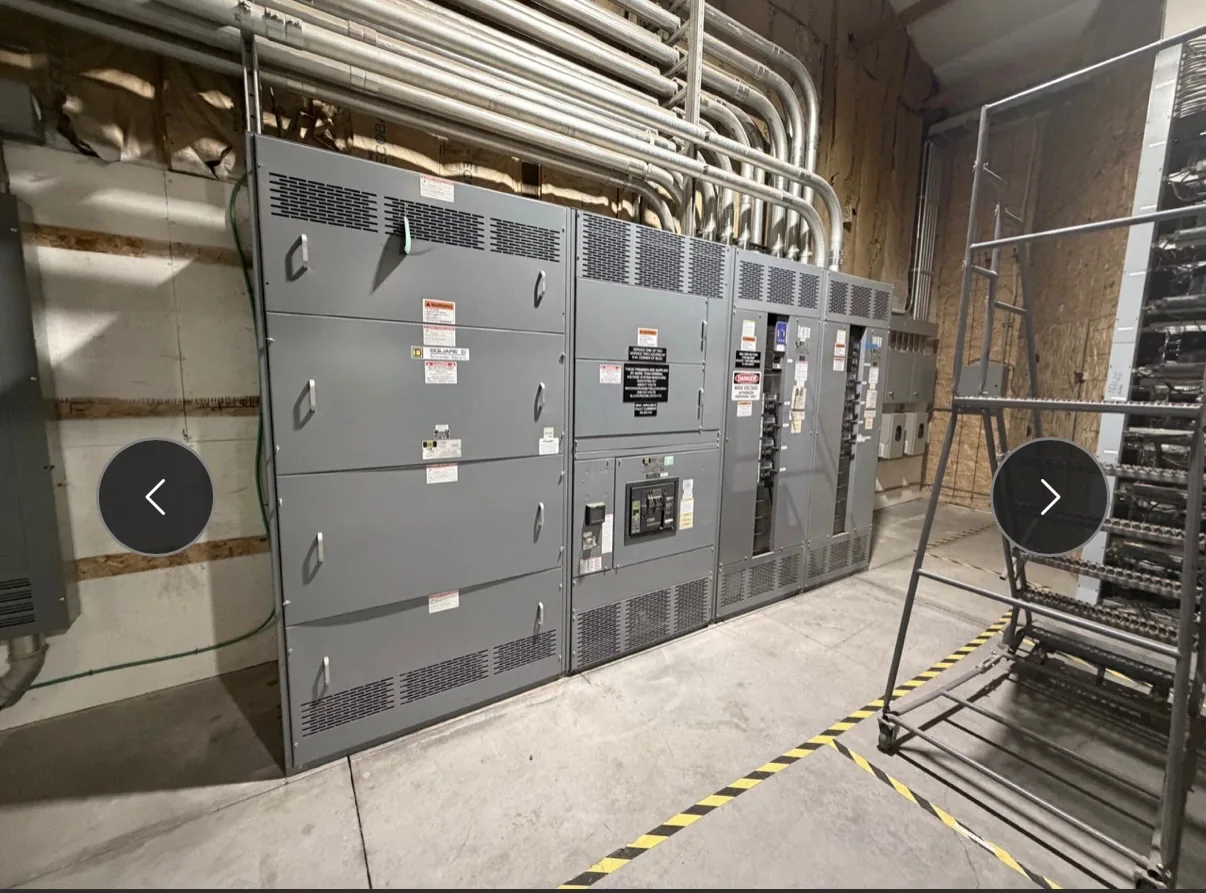
INDUSTRIES / MANUFACTURER DIRECT
Cold-storage electrical planning starts with the facility’s real operating profile, not a generic load total. Refrigeration compressors, fans, defrost equipment, lighting and material-handling systems can have different duty cycles and starting demands. Switchgear Builder Virginia manufactures new, custom switchgear in the USA using all-American components, with nationwide shipping and short lead times subject to project scope and quote. The following considerations help buyers define requirements; equipment configuration, ratings, schedules and applicable approvals must be confirmed for each project.
Map the Loads
Begin with an equipment schedule that distinguishes refrigeration compressors, evaporator and condenser fans, pumps, defrost heaters, lighting, controls, chargers and other facility loads. Record each item’s voltage, phase, horsepower or electrical demand, operating duty and starting method from current equipment documentation. A compressor’s starting current and operating pattern can affect feeder and protective-device decisions differently from a steady lighting load. Ask the refrigeration contractor or electrical engineer to identify which loads may run together, which cycle, and which are expected to restart after an interruption. Do not size a switchboard from building square footage or connected load alone. The design team should evaluate demand, future equipment plans and applicable project requirements, then establish feeder quantities and spare capacity. Switchgear Builder Virginia can develop a custom new assembly around verified project information; final configuration and ratings remain subject to engineering review and quote.
Plan Motor Starting
Large refrigeration motors can create brief starting demands that differ substantially from their normal running loads. The project team should confirm motor nameplate data, starting method, expected starts per hour, sequence and whether multiple compressors could start together after a power interruption. Across-the-line starting, soft starters and variable-frequency drives have different electrical and control implications; selection belongs with the equipment and system designers. Coordinate protective devices with motor protection, conductors, control equipment and the available fault current rather than treating a breaker as an isolated choice. Also evaluate voltage drop and the effect of starting on other loads. If the facility uses staged restart logic, document who provides and verifies that sequence. A custom switchboard can be arranged to project requirements, but the requested device types, ratings, coordination and compatibility need confirmation before the equipment design is finalized.
Account for Continuous Duty
Cold-storage operations may keep refrigeration equipment running for long periods, but the actual duty profile depends on room temperatures, product loads, door activity, ambient conditions and the refrigeration design. Have the responsible engineers determine which loads are continuous for sizing purposes under the applicable project rules; do not assume every motor runs continuously or that cycling eliminates demand. Review expected normal and peak operation, seasonal variation, defrost periods and planned expansion. The resulting load study helps establish bus and feeder requirements, device selection and any useful spare capacity. It can also reveal operational priorities, such as which refrigeration circuits should remain available during maintenance. For low-voltage switchboards, UL 891 assemblies may be specified where applicable, with the requested construction and listing requirements verified for the exact assembly. Other ratings and approvals must likewise be confirmed for the project rather than inferred from a general product description.
Define Backup Priorities
Backup power planning should identify what must operate during an outage, for how long, and in what restart order. Refrigeration loads may compete with ventilation, controls, life-safety systems, lighting and other essential equipment for generator capacity. The electrical engineer and generator supplier should verify generator capability for motor starting, load steps, voltage and frequency response, and any load-shedding sequence. Specify whether backup serves the whole facility or only selected panels and circuits, and document the required transfer arrangement and control interfaces. Do not assume that a switchboard itself includes transfer equipment or that every refrigeration load belongs on emergency power. Include normal and backup source information, grounding and protection requirements, and any planned future capacity in the design package. Switchgear Builder Virginia can manufacture a custom new assembly to verified project requirements; scope, ratings, schedule and interfaces are confirmed through review and quote.
Manage Moisture Exposure
Condensation risk depends on temperature changes, humidity, enclosure location, washdown practices and how warm, moist air reaches electrical spaces. Describe the intended installation environment, including whether equipment is indoors, near refrigerated rooms, exposed to cleaning spray or located where temperature transitions occur. The design team should determine suitable enclosure construction, environmental ratings, heaters or other moisture-control measures where required, and confirm that selected components remain appropriate for the conditions. Avoid placing switchgear in a cold or damp area based solely on convenience; coordinate location and room conditions with facility and electrical designers. Inspection and maintenance plans should follow the equipment documentation and site procedures, with any moisture or corrosion concerns assessed by qualified personnel. Provide these conditions early so the proposed assembly can be evaluated against them. Product features, environmental ratings, tests and approvals are options or requirements to verify for the specific quoted equipment.