
RATINGS / MANUFACTURER DIRECT
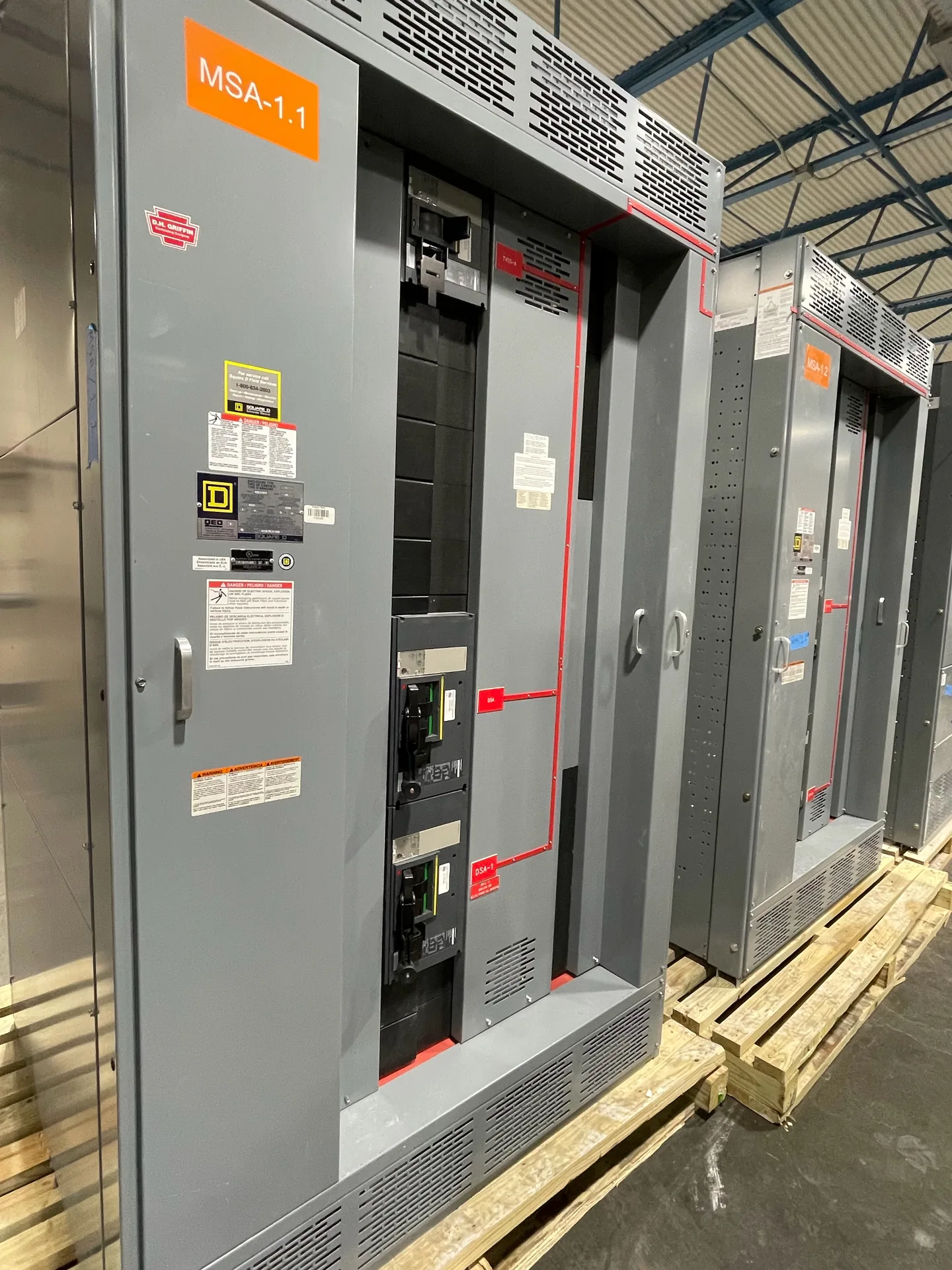
System frequency is a project input, not a detail to infer from location or voltage. A switchboard distributes power, but the connected source, loads, transformers, motors, controls, and protective devices each have their own frequency requirements. Switchgear Builder Virginia can develop custom new switchgear around documented project requirements, with component selection and configuration subject to review and quote. Clear frequency information helps buyers identify compatibility questions before equipment is specified, including whether the design serves one source or more than one operating condition. The practical starting point is to confirm what the electrical system supplies and what every connected device is designed to accept.
Confirm the Source
Begin with the frequency stated for the incoming source and confirm it with the project electrical documents or responsible design professional. Do not infer frequency from voltage, a building name, or a previous installation: systems serving different equipment or operating conditions can have different requirements. If the project includes a generator, alternate source, or transfer arrangement, identify the frequency expected from each source and whether operation can occur independently or in parallel. Those details can affect equipment selection and the review of connected loads. Provide the source voltage, phase, available operating modes, and frequency information together, rather than sending a single number without context. Switchgear Builder Virginia uses the supplied project requirements to develop a custom new-equipment proposal; the final configuration, ratings, component compatibility, and schedule are subject to quote and verification. Clear source data helps expose mismatches early, before they become procurement or coordination issues.
Check Device Compatibility
Frequency compatibility must be checked at the component level. Breakers, metering, control power equipment, relays, electronic trip units, meters, and other devices may have specific frequency ranges or application notes, even when the overall switchgear serves a familiar system frequency. Review each proposed device’s current manufacturer documentation for the exact model and intended use; do not assume a component marked for one frequency is suitable at another. Also distinguish the power circuit frequency from the frequency required by control circuits or auxiliary equipment, which may be supplied differently. Where a project requires operation across multiple frequencies, identify that requirement before component selection and ask suppliers to confirm the applicable ratings and limitations in writing. The resulting design should reflect the verified equipment combination, not a generic assumption that every device in an assembly shares identical frequency capability.
Account for Motors
Motor frequency affects operating speed and can influence the driven process, so buyers should provide motor nameplate data and the intended operating point. A motor’s acceptable frequency range depends on its design, voltage, load, cooling, and any drive used; a frequency change is not automatically a simple wiring or switchgear adjustment. Confirm whether motors connect directly to the supply or operate through variable-frequency drives, and document the drive input and output requirements separately. If equipment must perform at more than one frequency, have the motor and machine suppliers assess speed, torque, thermal limits, and process consequences. The switchgear design can be coordinated around confirmed feeder and protective-device requirements, but it cannot make an incompatible motor suitable. Providing motor schedules early helps the project team identify where device selection, controls, or operating assumptions need additional review.
Review Transformers
Transformer frequency and voltage must be considered together. A transformer designed for one frequency may not be appropriate at another voltage-frequency combination; lower frequency at the same voltage can increase magnetic flux and may cause excessive heating or saturation, depending on the design. Buyers should submit transformer nameplates, primary and secondary voltages, kVA, connection details, and the intended source frequency for review. Do not treat a voltage match or a general 50/60 Hz label as proof that a particular transformer is suitable for every operating condition. Confirm the manufacturer’s stated frequency rating and any application limits for the exact unit. Where switchgear includes transformer-fed control power or serves transformer primary protection, identify the arrangement and protection requirements in the project documents. Coordinating these details can prevent an apparently compatible lineup from supporting an unsuitable connected transformer.
Specify and Verify
For a useful quotation, provide the one-line diagram, source details, operating modes, load list, motor and transformer schedules, control-power information, and applicable project specifications. Flag any expected frequency variation or alternate-source operation explicitly. The team can then review how the stated requirements affect device selection, compartment arrangement, metering, and coordination with connected equipment. For applicable low-voltage switchboards, UL 891 assemblies may be specified where the project requires them; applicability and assembly details must be verified for the requested design. Frequency alone does not establish an assembly’s voltage, ampacity, interrupting rating, or suitability for an installation. Switchgear Builder Virginia manufactures new custom equipment in the USA using all-American components and ships nationwide; the design, component ratings, lead time, and schedule remain subject to project review and quote. Before release, reconcile the submitted requirements with approved drawings and the equipment manufacturers’ documented limits.