
SERVICES / MANUFACTURER DIRECT
Busbar replacement begins with the equipment’s actual configuration, not a conductor size chosen in isolation. Dimensions, joint design, plating, insulation, support spacing, and operating conditions all affect whether a replacement assembly fits and performs as intended. Switchgear Builder Virginia manufactures new, custom switchgear assemblies in the USA using all-American components, with nationwide shipping. For a replacement project, the design and scope must be established from available equipment information and verified requirements; schedules and ratings are subject to review and quote.

Document the Assembly
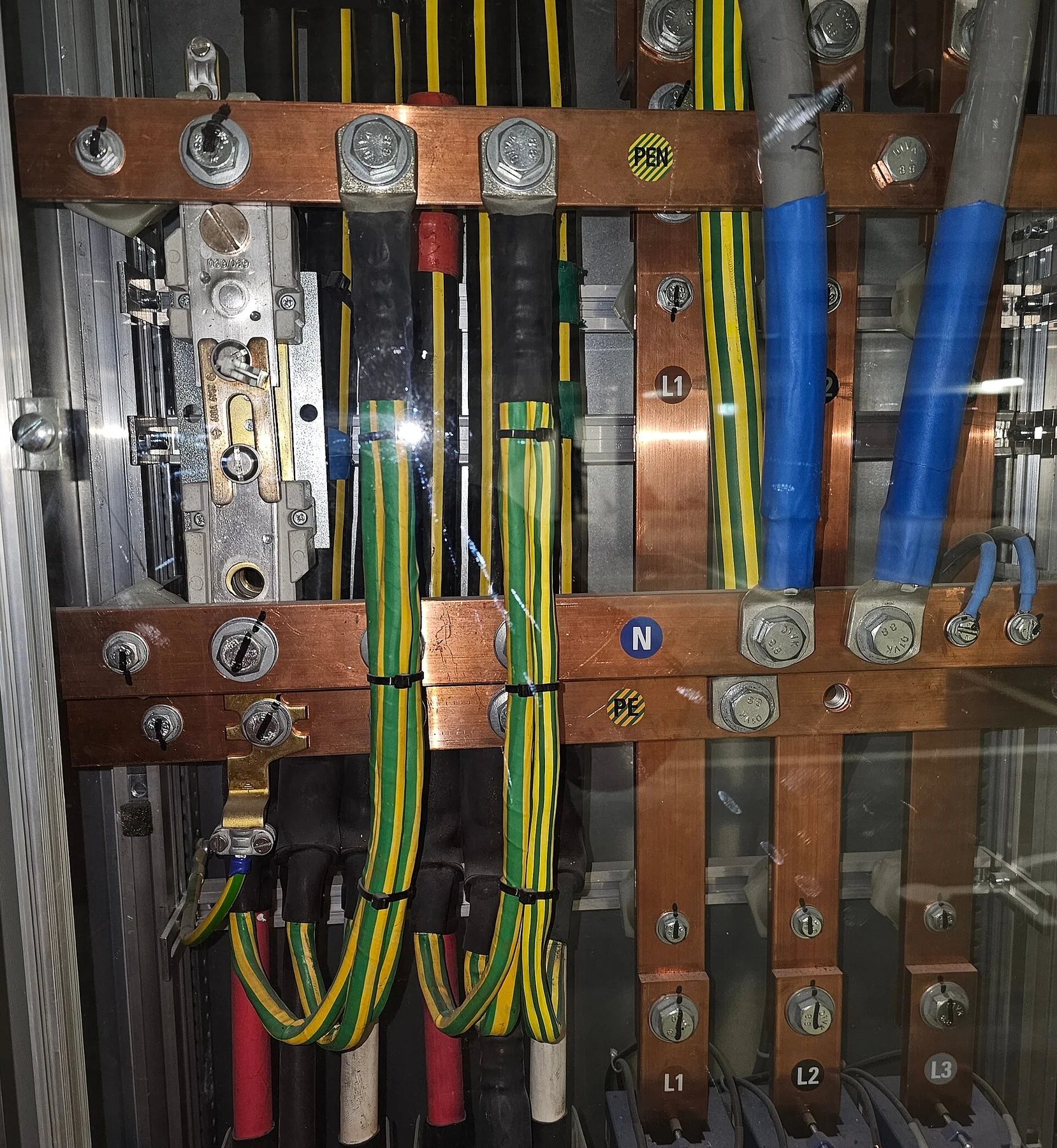
Start by identifying the equipment type, manufacturer, model or drawing references, voltage class, and the section where the busbar is located. Record the conductor’s width, thickness, shape, and orientation, along with the number and spacing of bars per phase. Note clearances, barriers, supports, enclosure constraints, and how the bus connects to devices or adjacent sections. Existing drawings can help, but field conditions may differ after years of modifications or repairs, so dimensions and connection details need confirmation before design release. Photographs and marked-up drawings can support review, provided they show the relevant interfaces and do not substitute for qualified inspection. This information helps distinguish a replacement conductor from a broader assembly redesign. If records are incomplete, identify uncertainties early; assumptions about fit or interface geometry can create costly revisions once fabrication planning begins.
Inspect Joints and Damage
A replacement busbar must match the electrical and mechanical interfaces, not merely the visible length of the damaged piece. Document joint locations, hole patterns, hardware arrangement, contact surfaces, and the way conductors transition through the equipment. Inspection should assess evidence of overheating, discoloration, corrosion, deformation, cracking, loose connections, or insulation deterioration, while avoiding conclusions based on appearance alone. The cause matters: a damaged joint may point to contact pressure, contamination, alignment, or loading concerns that should be addressed in the replacement scope. Qualified personnel should determine the safe inspection method and equipment condition; this page is not a live-work procedure. When adjoining bars, supports, or devices show damage, decide whether their condition needs engineering review too. Defining the affected boundary helps avoid replacing one conductor while leaving a related interface problem unresolved.
Specify Material and Insulation
Material and surface treatment should be specified to suit the connection environment and design, rather than selected by appearance or habit. Record whether existing conductors are copper or aluminum where known, and identify plating, finish, or contact treatment requirements from reliable drawings or project criteria. Plating can affect contact behavior and compatibility, while insulation choices influence clearance, access, and thermal performance. Confirm the insulation’s intended coverage, thickness, temperature suitability, and interaction with supports and barriers; do not assume that wrapping an exposed section reproduces the original assembly design. The replacement may need to preserve established interfaces or use a revised arrangement, depending on verified requirements. Include environmental exposure, contamination concerns, and maintenance access in the review. When original material specifications are unavailable, treat them as open design questions and resolve them before approving a build.
Verify Electrical Ratings
Ampacity and short-circuit withstand are design requirements to verify for the complete relevant assembly, not numbers inferred from conductor dimensions alone. Review system voltage, expected load, duty, available fault conditions, protective-device characteristics, conductor material, geometry, spacing, joints, and supports. A change in bar arrangement or support locations can affect thermal behavior and mechanical forces during a fault, even when the replacement appears similar to the original. Confirm the required ratings from project documents and qualified engineering review, then ensure the proposed scope addresses the applicable assembly and interfaces. Do not treat a brief description, a catalog value, or a numerical topic as proof that a particular design meets a rating. Where low-voltage switchboard requirements apply, identify applicable standards and verification needs for the project. UL 891 applies only to applicable low-voltage switchboards, not medium- or high-voltage equipment.
Define Scope and Build
A clear request for review should include equipment identification, drawings if available, verified or measured dimensions, photos of interfaces, stated damage, and the electrical requirements that the design must satisfy. Separate confirmed facts from estimates, and flag unknowns such as material, plating, joint hardware, support condition, and rating basis. Specify whether the work concerns a new custom assembly or replacement components intended for an identified project; compatibility and scope must be reviewed rather than presumed. Switchgear Builder Virginia manufactures new switchgear in the USA with all-American components and can consider custom configurations. Lead times are short, but timing depends on the approved scope, component availability, and quote; no delivery date is established until confirmed. Nationwide shipping is available. Any required inspection, testing, approval, or listing should be identified for verification during project review, not assumed from a description.