
SERVICES / MANUFACTURER DIRECT
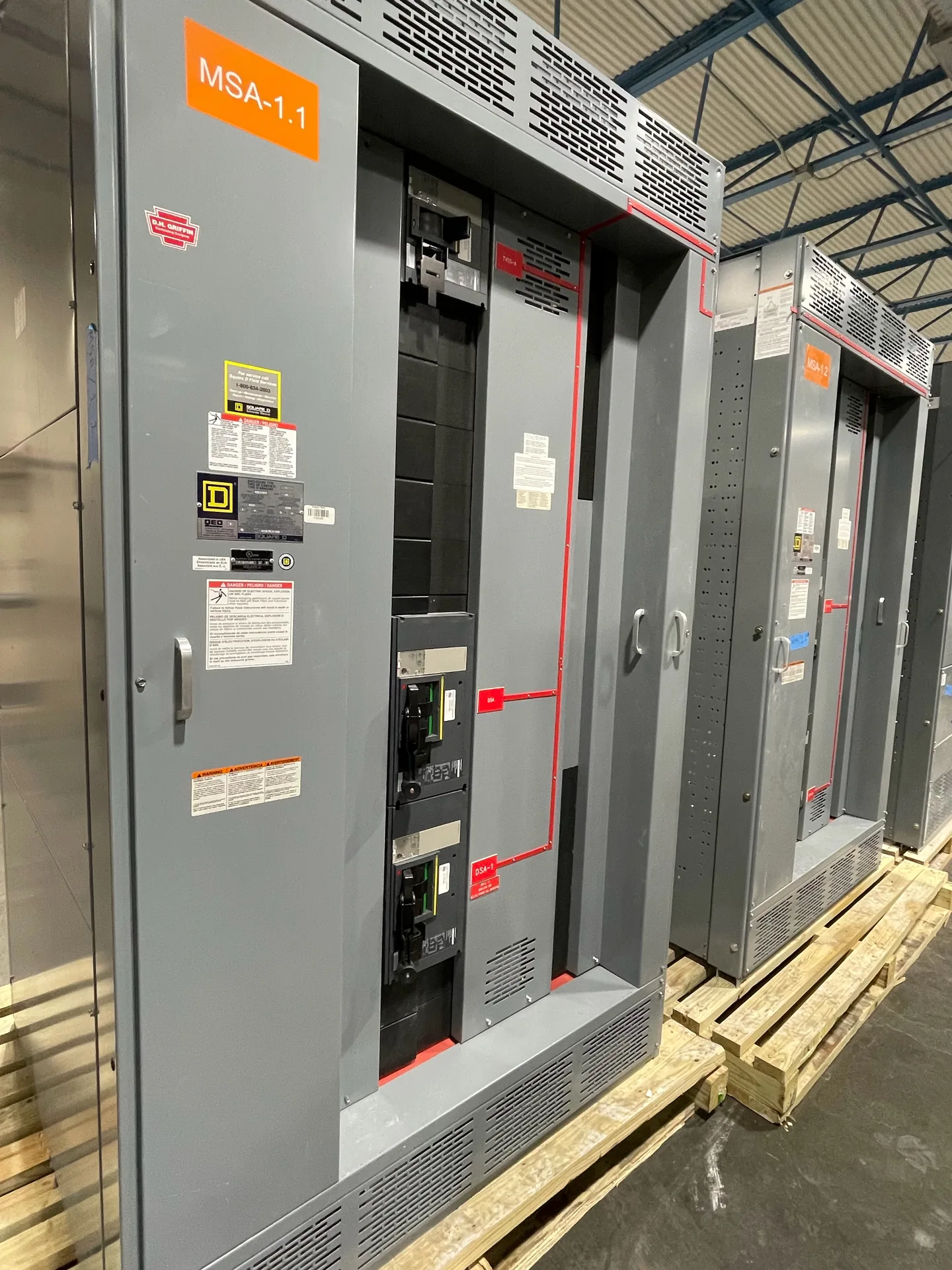
An electrical upgrade is only workable when equipment decisions fit the facility’s operating constraints. Switchgear Builder Virginia manufactures new, custom switchgear in the USA, with all-American components and nationwide shipping. For outage-aware planning, define what must be isolated, what loads need temporary supply, which equipment and approvals affect the schedule, and who can authorize a shutdown. These are planning questions—not a promise of on-site execution or a fixed delivery date. Equipment scope, ratings, schedule, and applicable requirements must be confirmed for the specific project before purchase.
Map Isolation Boundaries
Start by identifying which equipment and loads are within the proposed work boundary, and how that boundary relates to the existing electrical distribution. One-line diagrams, equipment schedules, field-verified labeling, and owner records can help reveal dependencies, but their accuracy should be checked with the responsible facility team and qualified electrical professionals. Distinguish the circuits that must be unavailable from those intended to remain in service; do not assume that adjacent sections can be isolated independently. Document upstream and downstream connections, control power, metering, and any shared or alternate sources that may affect the plan. The result is a reviewable scope for engineering and owner approval, not authorization to perform switching or live work. If drawings are incomplete, list the unknowns and assign a verification step before setting a shutdown window or finalizing the equipment configuration.
Plan for Temporary Supply
For each critical load expected to remain available, determine whether temporary supply is necessary, feasible, and approved by the owner. Record the load, voltage, phase, frequency, expected duration, starting characteristics, connection location, and any applicable protection or grounding requirements for review. Confirm whether the proposed temporary source and connection arrangement are compatible with the facility’s system; do not rely on a generator nameplate alone to establish suitability. Account for physical access, cable routing, environmental conditions, fuel or operating constraints, and the time needed for approved setup and removal. Some loads may be safely deferred or shut down instead, while others may require a separately engineered continuity plan. These choices affect scope, cost, and outage duration. Temporary supply should be treated as a design and authorization question for qualified parties, not an assumed feature of a new switchgear package.
Track Delivery Dependencies
A workable shutdown plan depends on more than selecting an outage date. First identify the information, design decisions, owner reviews, and site conditions needed before a custom assembly can be specified and released. Confirm the required system voltage, configuration, ratings, connection details, environmental conditions, and applicable approvals with the project team; schedules and ratings remain subject to quotation and verification. Then account for coordination with related equipment, protective devices, controls, utility or facility requirements, and any necessary engineering review. Track procurement and manufacturing milestones alongside shipping, receiving, access, and installation readiness, while allowing time for unresolved questions. Switchgear Builder Virginia manufactures new custom equipment in the USA using all-American components and ships nationwide. Actual lead times depend on the confirmed scope and current project conditions, so avoid setting a shutdown window around an unverified delivery estimate.
Set Owner-Approved Windows
The facility owner or authorized operator should determine when a shutdown can occur, based on operating priorities, staffing, access, and acceptable interruption risk. Compare candidate windows with the project’s readiness checklist rather than choosing a date first and forcing unresolved work into it. Define who approves the outage, who communicates with affected teams, what conditions must be met before work begins, and what would require postponement. Identify any permits, procedures, notifications, or utility coordination that the owner and project professionals determine are applicable. Include time for verified isolation, authorized work, inspection or testing as required by the project, restoration, and confirmation that systems are returned to an approved operating state. The manufacturer can support equipment scope discussions and quote preparation; this does not establish on-site execution, commissioning, or a specific outage duration.
Align Scope Before Release
Before ordering, bring the boundary map, temporary-supply decision, delivery dependencies, and proposed shutdown window into one coordinated review. Reconcile the new assembly’s requirements with existing drawings and the facility’s verified conditions, including interfaces, available space, access, and intended operating arrangement. Flag assumptions explicitly, especially where records are missing or field verification remains open. Confirm the required ratings and configuration against the project design; do not infer them from a general description or from another installation. For applicable low-voltage switchboards, ask whether a UL 891 assembly is required and verify the specific scope and listing details during quotation. That standard does not apply to medium- or high-voltage equipment. A clear, owner-reviewed scope helps expose schedule conflicts before release, but it cannot remove every project dependency. Lead times, shipping arrangements, ratings, and requirements are confirmed for the quoted order, not presumed from this planning page.