
APPLICATIONS / MANUFACTURER DIRECT
Future feeder capacity planning is more than leaving empty spaces in a lineup. A useful design separates physical room for future devices from the electrical capacity available to serve added loads. Switchgear Builder Virginia can develop custom switchgear around documented project requirements, with component selection, dimensions and ratings subject to quote and verification. Start with the loads expected at startup, the additions that are reasonably anticipated, and the site constraints that could affect later work. Those details help the design team compare spare positions, bus capacity and practical expansion options before equipment is specified.
Map Likely Additions
List anticipated loads by type, approximate size, expected operating pattern and likely phase of installation. Distinguish committed work from possibilities that have no approved scope or schedule; treating every idea as a firm load can produce an unnecessarily large design, while ignoring probable additions can constrain later choices. For each planned feeder, identify whether it will serve a motor, panel, transformer, charger or other load, because device needs and coordination considerations may differ. Record what is known and mark assumptions for confirmation by the project’s electrical engineer. A load forecast is a planning input, not a substitute for a completed load study or verified equipment ratings. The resulting schedule gives the manufacturer a clearer basis for discussing feeder positions, protective devices, bus requirements and enclosure arrangement, while leaving uncertain scope visible rather than disguising it as a final requirement.
Space Is Not Capacity
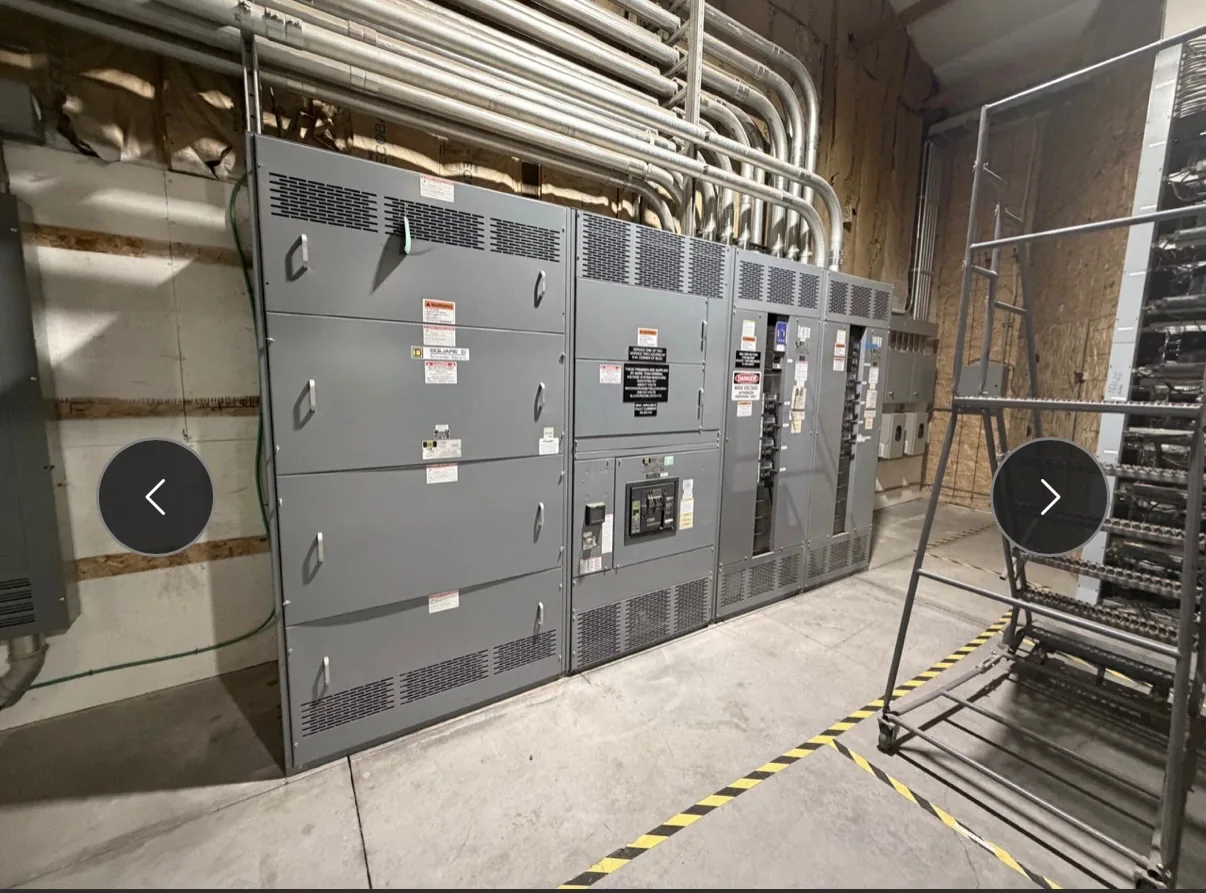
An empty feeder position is physical space, not proof that the assembly can carry another load. A future device may need a particular frame size, mounting arrangement, wiring access, cable bend space and clearance. The bus and associated components must also be evaluated against the intended operating conditions and specified electrical ratings. Conversely, an assembly may have electrical capacity available but no practical room to install the feeder device or route its conductors. These are separate constraints, so a plan should record them separately: reserved physical positions, anticipated connected load, and the capacity basis used by the design team. Do not assume that a blank, spare compartment, or unused position is ready for any future feeder. Its suitability depends on the original design, documented ratings, compatible equipment and project review before changes are specified or made.
Set a Load Reserve
Load reserve is a deliberate allowance for expected demand beyond the initial operating plan. It should be tied to a documented forecast and engineering review, not selected as an arbitrary percentage or treated as a promise of unlimited growth. Consider which loads may operate together, whether demand is expected to rise in stages, and whether future equipment could change operating patterns. The project team should state the assumptions behind the reserve and identify who will validate them as the scope develops. A reserved load allowance does not automatically mean that every bus section, feeder device, conductor or upstream source is suitable for that amount. Those elements may have different limits and must be evaluated together. Clear assumptions help buyers compare proposed configurations and understand what the specified reserve covers—and what would require a new review before future loads are connected.
Evaluate Bus and Layout
Bus capacity and physical layout should be considered together, section by section where the design requires it. Ask the design team to identify the basis for the specified bus rating and how the planned feeder arrangement relates to anticipated loading. Future additions can affect device size, heat dissipation, barriers, cable entry, access and lineup dimensions; a compact initial arrangement may leave less room for later changes. Site conditions, including available floor area and conductor routing, should be confirmed for the actual project rather than assumed from a generic layout. If low-voltage switchboards are specified, UL 891 applies only where applicable and should be verified for the proposed assembly and scope. It does not establish that an unplanned future feeder can be added without review. Custom builds and all-American components may be discussed against confirmed requirements, with ratings and configuration verified by quote.
Document Expansion Assumptions
Put the expansion plan into the project documents: identify reserved feeder positions, their intended uses if known, estimated future loads, bus assumptions, dimensional constraints and unresolved decisions. Ask for the proposed scope to distinguish included equipment from provisions that are only planned or subject to later engineering. Confirm how future changes would affect protective-device selection, coordination, conductor routing and any applicable approval or inspection process; do not presume these items are covered simply because a space was reserved. Before procurement, compare the forecast with current project drawings and have qualified project professionals verify the requirements and ratings. Switchgear Builder Virginia manufactures new switchgear in the USA and ships nationwide; lead times depend on the quoted scope and schedule. This documentation makes the design decision traceable and helps the buyer understand which future options are practical, which remain uncertain, and what must be rechecked before expansion.