
APPLICATIONS / MANUFACTURER DIRECT
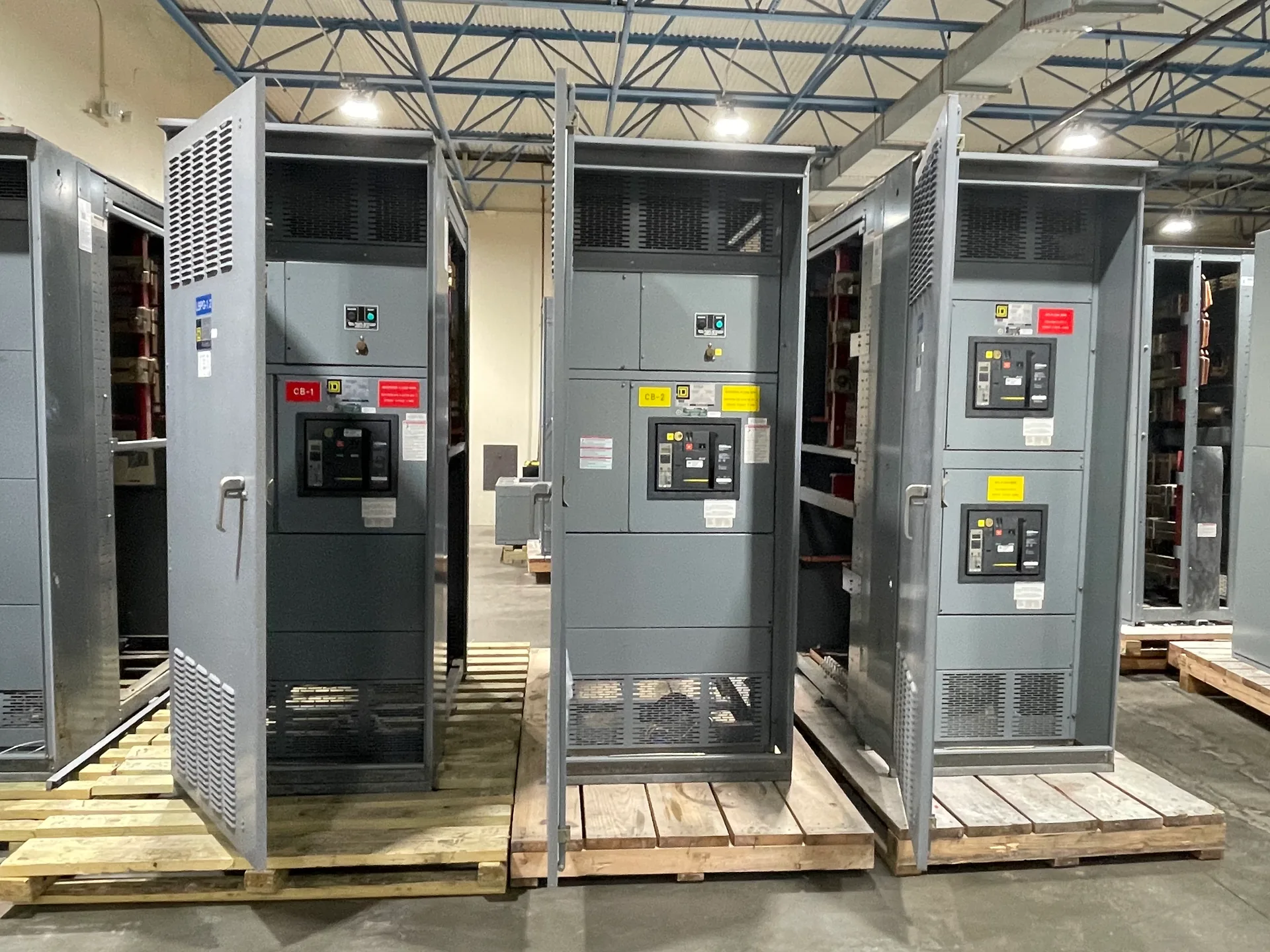
An obsolete breaker project starts with identification, not an assumption that a new device will fit an existing cell. Breaker markings, trip information, physical condition, and interface details help determine whether a retrofit path merits further engineering or whether new switchgear is the more practical option. Switchgear Builder Virginia manufactures new, custom-built switchgear in the USA using all-American components, with nationwide shipping. The appropriate design, ratings, schedule, and scope depend on project information and quote verification.
Identify the Breaker
Record the manufacturer, model or type designation, serial information, nameplate ratings, and any catalog or drawing numbers that remain legible. Photograph the breaker from several angles, including its nameplate, operating mechanism, primary disconnects, and any labels on the cell or compartment. Note whether markings appear original, replaced, or difficult to read; a family name alone may cover multiple designs and revisions. Include available one-line diagrams, equipment schedules, and prior engineering documents, but flag information that has not been confirmed against the installed equipment. These details help an engineer assess the device and its application without treating a search result or visual resemblance as proof of interchangeability. If identification remains uncertain, report that uncertainty plainly rather than selecting a presumed substitute. A qualified site assessment may be needed to establish what equipment is present and what work is appropriate.
Document Condition
Describe the breaker’s reported service history and present condition, including known maintenance concerns, visible damage, missing parts, or signs that components have been altered. State whether the unit is installed, stored, or removed, and whether its condition has been evaluated by qualified personnel. Do not infer operability from appearance or attempt energized inspection; condition and safe work requirements belong with qualified professionals following applicable procedures. Records of previous testing or maintenance can help define the project, but their scope, date, and relevance to the current device should be checked. Separate observed facts from assumptions, and identify information that is unavailable. This distinction matters because a replacement decision may depend on more than the breaker body: mechanisms, interfaces, protection, and the host equipment all affect the engineering review. No document by itself establishes that a device is suitable for continued service or a direct replacement.
Capture Trip Details
Gather the trip unit or relay manufacturer, model, settings documentation if available, sensor or current-transformer information, and any stated protective functions. Record the breaker’s applicable voltage, continuous-current, and interrupting ratings from its markings, while treating those values as identification data to verify—not as a specification for a proposed replacement. The protection approach must be reviewed in relation to the electrical system, connected loads, coordination objectives, and project requirements. Settings should not be copied blindly from an obsolete device because equipment changes or system conditions may make an old configuration unsuitable. Provide available coordination studies and approved design documents, and identify gaps for the responsible engineer. The goal is to clarify the required protection and interfaces before equipment is specified. Final ratings, settings, and approvals remain subject to engineering review and verification for the actual application.
Check the Cell Interface
A breaker that appears similar may differ in dimensions, primary contact arrangement, control wiring, interlocks, racking provisions, and connection points. Gather enclosure and cell drawings, measured dimensions where safely obtainable, photographs, and details of the connected bus and control circuits. Record the equipment manufacturer and lineup identifiers, along with any modification history, because field changes can affect compatibility. Measurements and visual comparisons are useful screening information, not confirmation that a breaker will install, operate, or meet system requirements. Have qualified personnel determine what inspection or documentation is appropriate for the existing equipment. A retrofit evaluation should establish whether a suitable engineered approach is feasible and what limitations or additional work may apply. If reliable interface information cannot be established, a purpose-designed new equipment solution may warrant comparison rather than assuming a direct replacement exists.
Compare Project Paths
Use the collected information to define the decision: investigate a retrofit, replace a broader assembly, or specify new switchgear for the application. Compare the engineering scope, interfaces, outage planning, installation responsibilities, documentation needs, and any site constraints that the project team identifies. A retrofit is not automatically the least disruptive option; unknown cell details, condition concerns, or protection changes can expand its scope. New equipment may require different planning for footprint, connections, controls, and coordination with the electrical system. Switchgear Builder Virginia can discuss custom-built new switchgear manufactured in the USA with all-American components and nationwide shipping. Lead times, ratings, configurations, and applicable requirements are determined through project review and quote verification; no schedule or direct interchangeability should be assumed. Submit verified drawings and clearly labeled unknowns so the proposed scope can be evaluated against the project’s actual needs.