
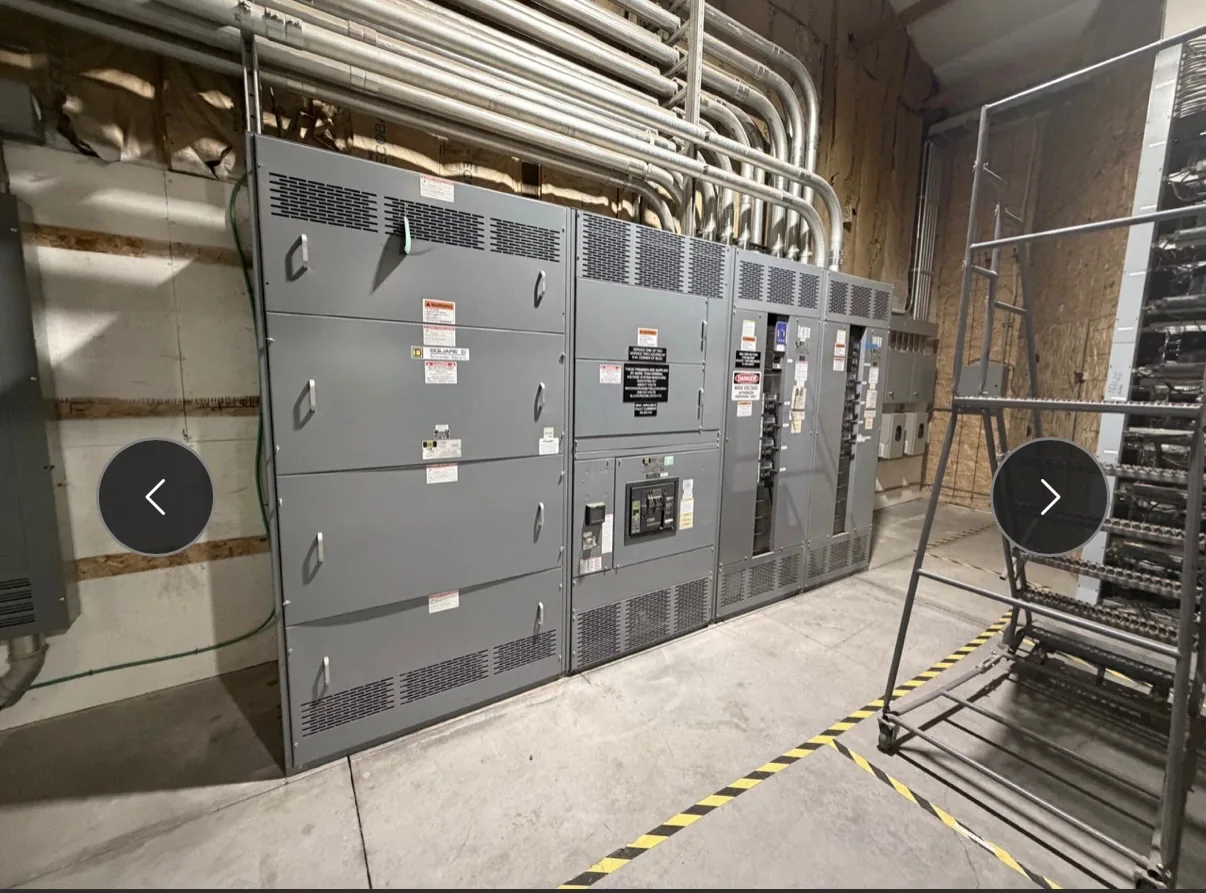
APPLICATIONS / MANUFACTURER DIRECT
Arc flash risk reduction depends on the electrical system, its protective devices, operating conditions and the engineering analysis behind the project. Switchgear Builder Virginia manufactures new custom switchgear and switchboards with all-American components and direct USA manufacturing. Buyers can use the design process to coordinate practical equipment choices with a qualified engineer’s study—not treat a feature or label as proof of reduced risk. Define the application, operating modes and required inputs early so the proposed equipment can be evaluated against the project documents.
Start With the Study
An arc flash assessment is an engineering analysis, not an equipment feature. It uses system information to evaluate incident energy and boundaries at specified locations under defined conditions. Depending on the project, inputs may include available fault current, protective-device settings and clearing times, conductor and transformer data, equipment configuration, and the utility or source arrangement. Incomplete or changed inputs can affect the results, so establish who provides the study, what system data is available, and which operating cases must be evaluated. Switchgear Builder Virginia can coordinate new equipment design with stated project requirements, but equipment selection alone does not establish a safe work condition or replace qualified engineering review. Ask whether the study must consider alternate sources, tie positions, generators, or other operating states, and identify who will verify final settings and documentation before the equipment is placed in service.
Maintenance Mode Choices
A maintenance mode may allow a protective device to use a more sensitive setting temporarily, with the intended effect of reducing clearing time for certain faults. Whether that approach is suitable depends on the protective-device type, coordination requirements, system design, and applicable engineering analysis. Buyers should specify which devices need the function, how it is selected and indicated, who is authorized to operate it, and how the normal setting is restored. The project should also address whether the mode affects coordination with downstream devices or other sources. Do not assume every breaker, switchboard, or switchgear lineup includes this capability; it is an option or requirement to verify during design. Request clear drawings and operating documentation for the selected arrangement, and have qualified personnel confirm settings and procedures. A mode selection is not a substitute for an arc flash study, appropriate work practices, or required protective equipment.
Remote Operation Tradeoffs
Remote operation can let an operator control selected equipment from a location away from the gear, potentially reducing exposure during a particular switching task. It does not automatically reduce incident energy, change protective-device clearing time, or make every operation appropriate for remote control. The project team should define which breakers or controls are included, the intended operating location, control-power needs, communications or wiring interfaces, and any required status indication or interlocks. Space, access, enclosure arrangement, and coordination with the control system may affect the design. Confirm the operating sequence and who supplies, installs, tests, and maintains each part of the arrangement; those responsibilities should not be assumed from a product description. Switchgear Builder Virginia can build new equipment to specified project requirements, subject to quote and verification. The engineer and owner should determine whether remote operation addresses the identified task and how it fits the study, procedures, and site-specific risk controls.
Fault-Clearing Inputs
Protective-device behavior is central to many arc flash calculations, so buyers should identify the devices, trip units, settings, and available time-current or manufacturer data needed for the study. Fault current at each relevant bus and the system configuration can influence calculated clearing time; settings that improve one objective may affect selectivity or coordination elsewhere. Ask the engineer to identify required operating cases and to review proposed settings against the intended system performance. Equipment specifications should state required device types and functions, while the study and commissioning documents should establish how final settings are determined and checked. Do not treat a short-circuit rating, a breaker feature, or a generic product description as an arc flash result. For applicable low-voltage switchboards, UL 891 may be relevant to the assembly; its applicability and any required listing must be verified for the specific project. It does not replace system analysis or establish incident-energy values.
Specify and Verify
A useful procurement package connects the engineering study to the equipment scope without confusing design inputs with verified outcomes. Provide one-line diagrams, available system data, operating scenarios, device and setting requirements, interface details, and the responsible parties for study updates and final verification. Identify whether maintenance-mode indication, remote controls, or other functions are required, and request the documentation needed to confirm the supplied configuration. If system conditions or settings change, determine whether the analysis needs review before relying on its results. Switchgear Builder Virginia offers custom new equipment, direct USA manufacturing, nationwide shipping, and short lead times; schedules, ratings, and scope remain subject to quote and verification. Confirm applicable standards, approvals, testing, and documentation for the ordered assembly rather than presuming them. A qualified engineer should validate the application and study, and qualified personnel should handle installation, settings, and operation under the project’s procedures.