
BUYING INTENT / MANUFACTURER DIRECT
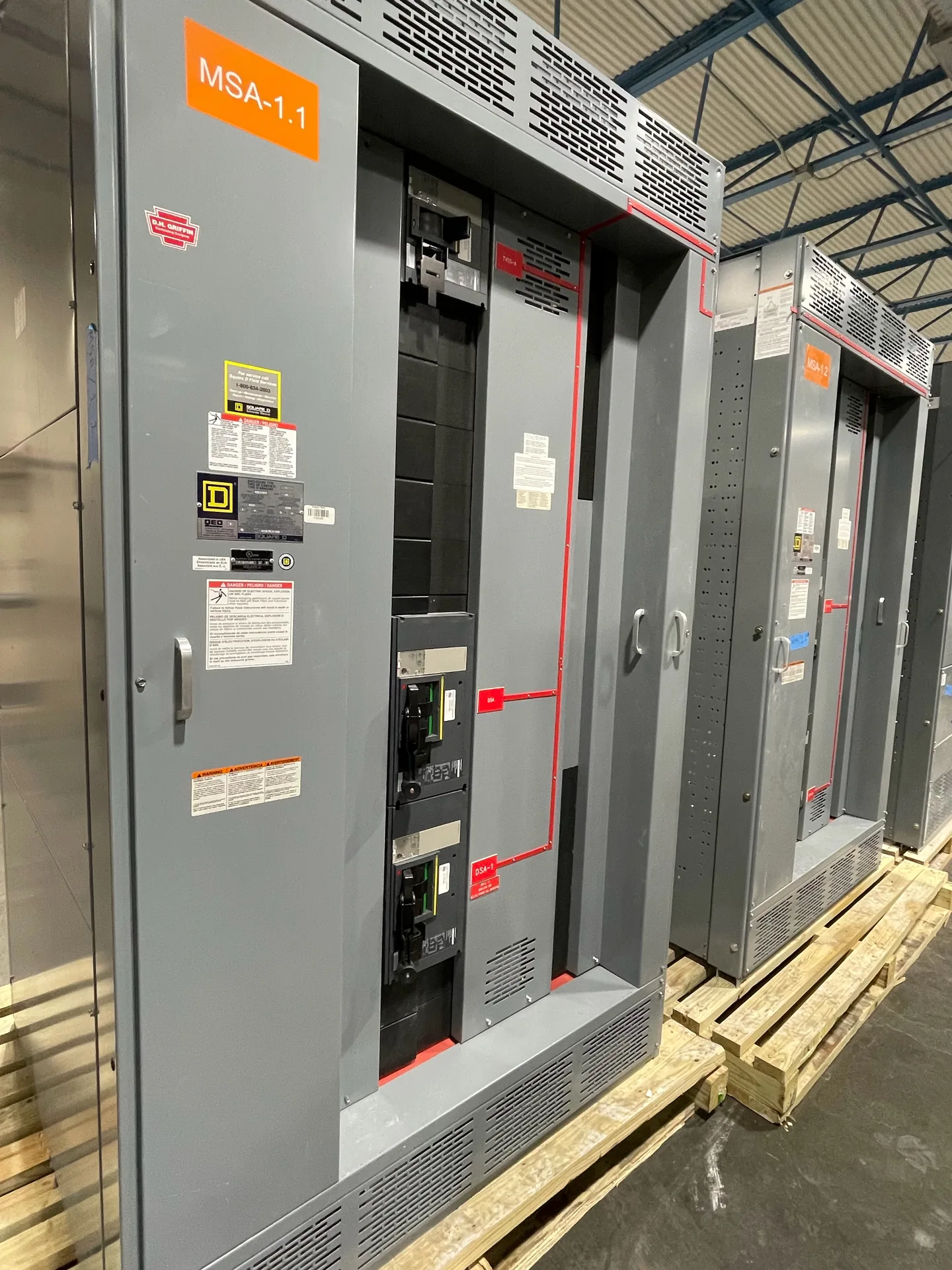
Domestic-component requirements can affect equipment selection, documentation and schedule. Before requesting a quote, define what “domestic” means for the project: which components are covered, what origin evidence is acceptable, and whether substitutions require approval. Switchgear Builder Virginia manufactures in the USA and uses all-American components; project documents should still identify the requested scope and records so procurement expectations can be checked against the quoted design.
Define the requirement
Start by translating “domestic components” into a written, reviewable scope. Identify whether the requirement covers every component, only major electrical devices, or selected items such as breakers, bus, controls, terminals and enclosure materials. State whether origin means where an item was manufactured, where its materials were sourced, or another definition set by the owner’s procurement documents. These terms are not interchangeable, and an all-USA-components preference does not by itself establish compliance with a statute, funding condition, contract clause or solicitation. Ask the project’s procurement authority or counsel to define any binding rules. Then share that wording with the switchgear manufacturer before design and pricing. Switchgear Builder Virginia manufactures in the USA and uses all-American components; the specific project scope and supporting documentation should be confirmed during quoting rather than inferred from a general label.
Request useful records
Ask what origin records can be supplied for the equipment proposed, and request a format your team can file and review. Depending on the procurement, useful records may include a component schedule, manufacturer or supplier identification, country-of-origin statements, product data, and a mapping from each listed item to its location in the assembly. Clarify whether evidence is available at quote, submittal, production or shipment stage; do not assume every document exists at every stage. If a required form must be signed by a particular party, identify that in advance. Keep the request proportionate: a clearly defined list of covered components is easier to verify than a broad request for “proof” with no scope. Confirm how revisions will be documented if a component changes, and retain the accepted records with the approved submittals and final project file.
Control substitutions
Procurement language should say how proposed substitutions are handled. Ask the manufacturer to identify any component that differs from the specified make, model, origin criterion or approved submittal, and to describe the proposed alternative before it is accepted. Set out who reviews the change, what technical and origin information is needed, and whether written approval is required before incorporation. This matters because an electrically suitable replacement may not satisfy the project’s origin documentation or procurement rules. Conversely, a request that permits no substitutions can narrow sourcing choices and may affect quoted schedule or cost; those effects must be evaluated for the actual design and market conditions, not presumed. Ask that the quote state its assumptions and identify unresolved selections. Schedules and ratings remain subject to quote and verification, so do not treat a general short-lead-time statement as confirmation that every specified item is available on a particular date.
Make traceability practical
Traceability is most useful when records connect the procurement requirement to identifiable equipment and components. Ask whether the submitted schedule can name each covered component and its manufacturer or supplier, and whether document revisions can be associated with the project’s approved equipment configuration. Decide whether your team needs traceability by assembly, section, device or another level; the right level depends on the contract and owner’s review process. Request a clear way to flag items whose origin evidence is pending, unavailable or outside the defined scope, rather than letting silence appear to mean approval. At closeout, compare the delivered configuration with accepted submittals and any approved changes. For applicable low-voltage switchboard assemblies, confirm whether UL 891 is a project requirement and verify the specific assembly status and documentation; that designation does not establish component origin or statutory procurement compliance.
Align quote and review
Before releasing a purchase order, align the specification, quote, submittal checklist and approval path. Ask the manufacturer to confirm in writing which domestic-component assumptions are included, what records are proposed, how substitutions will be presented, and which questions remain open. If procurement rules prescribe particular certifications, thresholds or clauses, provide the exact governing language and have the responsible authority determine how it applies; do not rely on a marketing phrase as a legal determination. Review technical fit separately from origin evidence: voltage, interrupting or withstand requirements, configuration, interfaces and other ratings must be verified for the project. Switchgear Builder Virginia can quote custom-built equipment with all-American components and nationwide shipping, subject to project details and verification. A complete, agreed documentation plan helps buyers compare bids consistently and reduces avoidable review gaps without presuming any unverified approval, listing, schedule or compliance outcome.