
BUYING INTENT / MANUFACTURER DIRECT
Acceptance criteria turn a switchgear purchase into a verifiable handoff: the specified equipment must match approved documents, agreed test records, and defined inspection points. For buyers planning a new assembly, the key is to decide before release who reviews each item, what evidence is required, and how discrepancies are resolved. Switchgear Builder Virginia manufactures custom new equipment in the USA using all-American components, with schedules and ratings subject to quote and verification. Nationwide shipping is available; project requirements should be documented before the order is finalized.
Set the basis
Start with the project documents that govern acceptance: the equipment specification, one-line diagram, load and fault information, sequence of operation, and approved exceptions. Identify the exact equipment scope, including sections, incoming and feeder arrangements, metering, protective devices, controls, and required interfaces. Acceptance should compare the delivered assembly with this agreed basis, not with an informal expectation introduced after fabrication. Specify applicable voltage, continuous-current, short-circuit, and environmental requirements, but have the responsible engineer verify that the selected ratings fit the system and applicable design conditions. State which document takes precedence if drawings and specifications conflict, and name the person authorized to resolve conflicts. For low-voltage switchboards, determine whether UL 891 applies to the project and confirm the applicable assembly requirements in the quote and submittal. Ratings, construction details, and standards should be verified for the actual configuration before approval.
Define the evidence
List the records the buyer expects to review, and distinguish approval documents from final closeout documents. A typical submittal may include dimensioned general-arrangement drawings, elevations, equipment schedules, wiring diagrams, device data, and connection details. Final records may include approved drawings marked with changes, equipment identification, and the agreed inspection or test documentation. Specify file format, revision identification, submission timing, and the reviewer responsible for returning comments. Ask that documents identify the supplied configuration clearly enough to check breaker types, ratings, control power, terminal locations, and any project-specific accessories. If calculations or coordination studies are needed, assign their preparation and review rather than assuming they are included with the equipment. Test records should state what was performed and the applicable acceptance basis; do not treat a generic report as evidence of every requested rating or feature. Confirm document scope and availability in the purchase quote.
Agree on tests
Before the order is released, identify which inspections and tests are required, who will perform or witness them, and what records will be furnished. The agreed plan may address workmanship and assembly checks, wiring verification, mechanical operation, and specified electrical tests, as appropriate to the equipment and project. The manufacturer should confirm which procedures are available for the quoted configuration; the buyer should not assume that a particular test, witnessing arrangement, or report is included unless it is written into the order. Define notice periods for any witness point and how schedule changes will be handled. Establish what constitutes a pass, how a failed or incomplete result is documented, and who approves corrective action and retesting. Where a test depends on project settings or field connections, separate factory scope from site commissioning scope. Acceptance records should identify the assembly and test conditions so reviewers can connect results to the delivered equipment.
Inspect the assembly
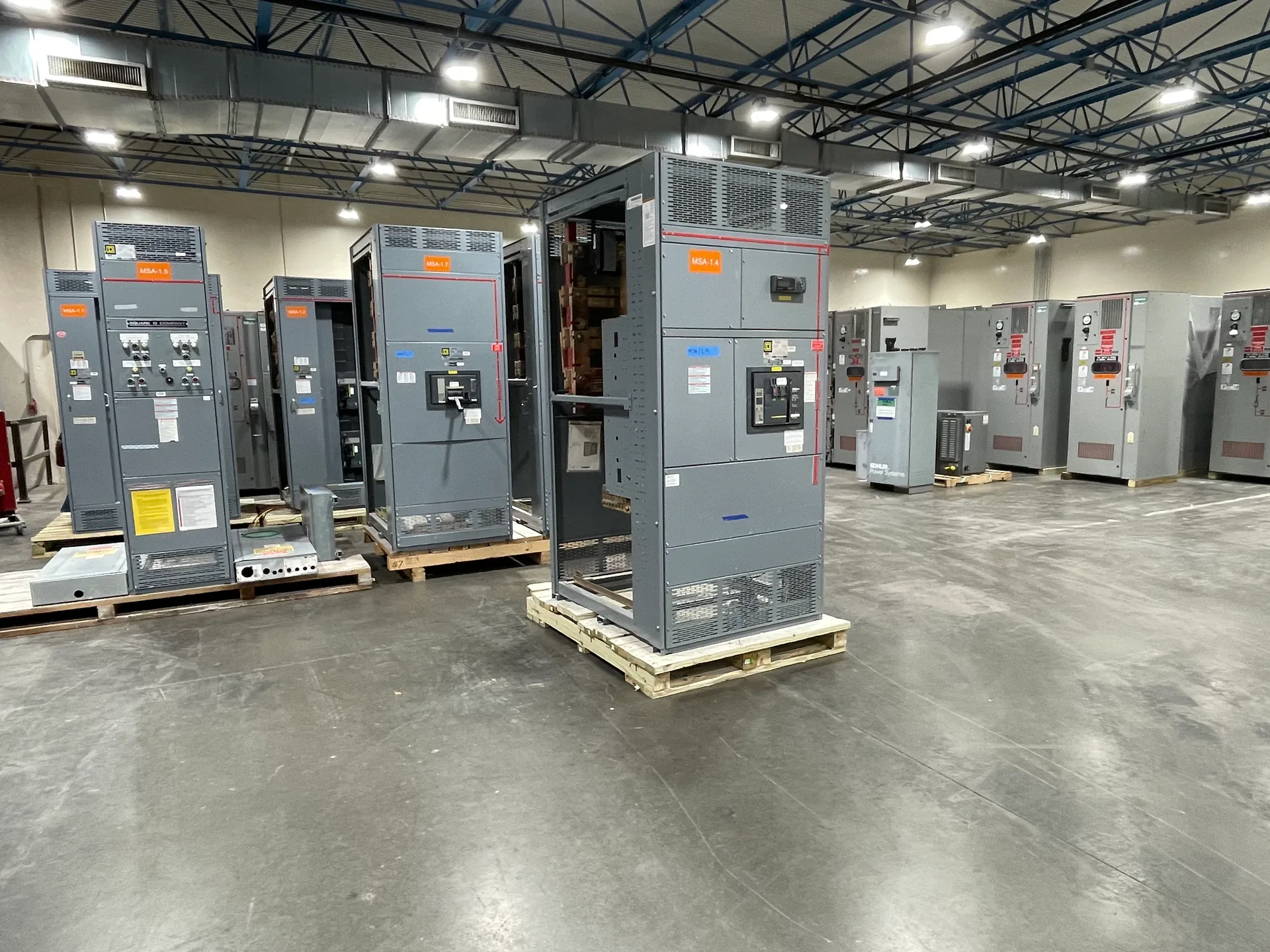
Create a practical inspection checklist that can be applied without relying on appearance alone. Depending on the approved design, reviewers may check section arrangement, nameplates, labels, finish, doors and barriers, device identification, accessory installation, and accessible shipping splits or connection points. Compare visible items with approved drawings and the purchase documents; record each discrepancy by location and reference, then route it to the authorized reviewer. Define the inspection stage, access needed, and whether review occurs before shipment, on receipt, or both. Physical inspection does not replace engineering review of ratings, protective-device selection, or internal construction. Do not direct unqualified personnel to remove barriers or approach energized parts; inspection boundaries and safe conditions must be established by responsible site personnel. For shipping damage, document the condition promptly and follow the agreed receipt and claims process. Clarify whether packaging, loose parts, keys, and project-supplied components are part of the inspection record.
Assign acceptance authority
Name the people who may approve drawings, witness tests, accept deviations, and issue final acceptance; these roles may belong to different parties. Identify the purchaser’s technical reviewer, the engineer of record where applicable, and the person authorized to make contractual decisions. Set review periods and a written path for questions, revisions, nonconformances, and disposition. Acceptance should not be inferred from silence, shipment, or payment unless the contract expressly defines that effect. State what remains open at delivery, what documents close the order, and who confirms completion. If field conditions differ from the assumptions used for design, pause approval of the affected requirement until the responsible parties review the change. Switchgear Builder Virginia can build to custom project requirements, but the quoted scope, ratings, schedule, and documentation must be verified and agreed for each order. A clear acceptance matrix helps buyers compare new equipment against the same approved criteria from submittal through receipt.