
COMPARISONS / MANUFACTURER DIRECT
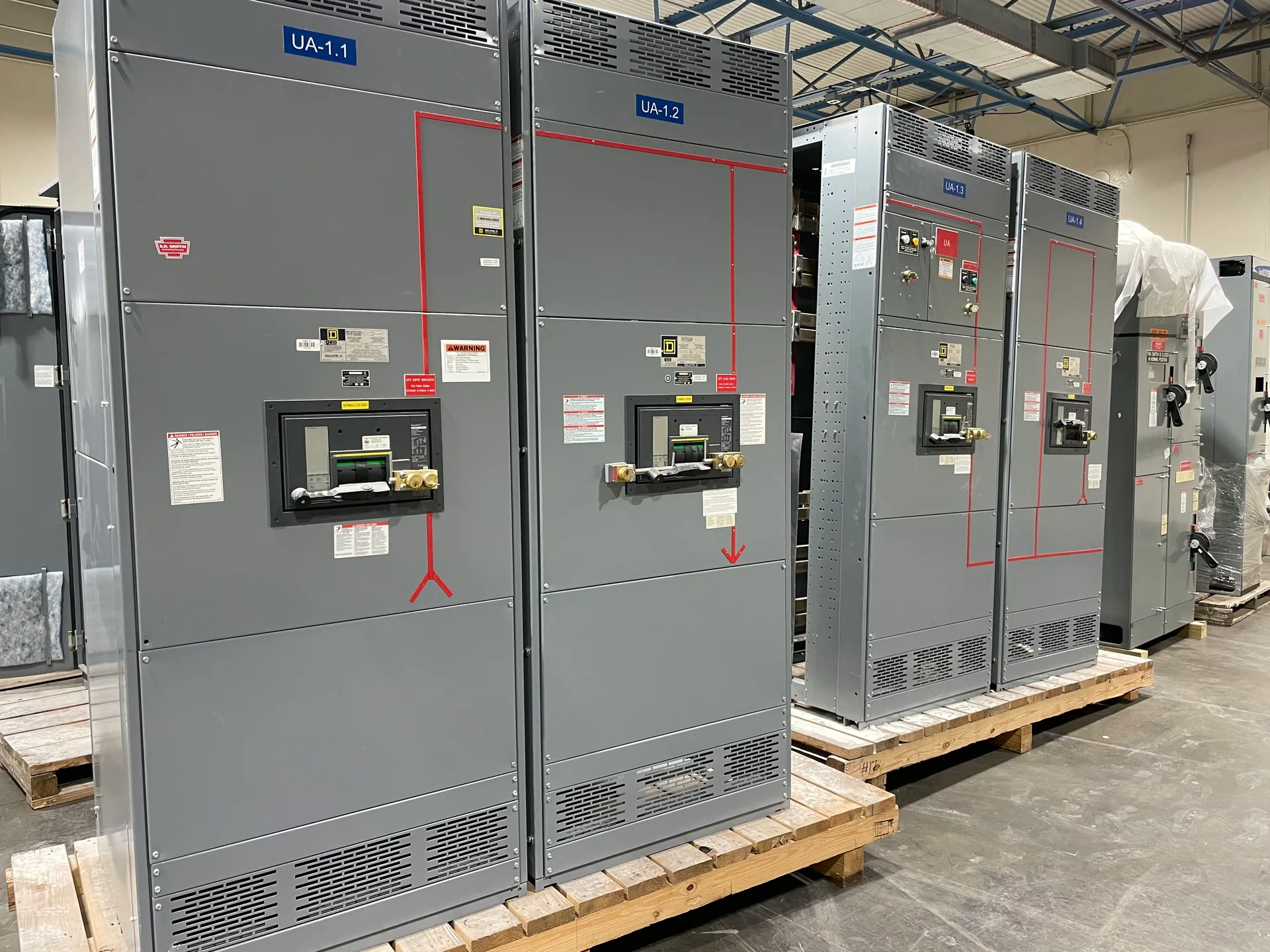
Choosing between manufacturer-direct and reseller procurement is less about a universal winner than about who owns each decision and handoff. Compare how technical questions, order changes, documents, and coordination will move through the project before selecting a purchasing route. Switchgear Builder Virginia manufactures new, custom-built switchgear in the USA using all-American components and ships nationwide. The right fit depends on the equipment scope, project team, and responsibilities confirmed in the quote—not an assumed price or delivery advantage.
Technical handoff
A manufacturer-direct route can put the buyer’s technical questions in front of the organization building the equipment, but it still requires a clear scope and named contacts. Confirm who will review the one-line diagram, load information, protection requirements, enclosure details, and interface points, and ask how unresolved items will be documented. With a reseller, establish whether its team will coordinate those questions with the manufacturer or expects the buyer’s engineer to manage the technical exchange. Neither route removes the need for qualified design review or project-specific verification. For low-voltage switchboards, identify whether UL 891 construction is applicable and included in the quoted assembly; do not assume a standard applies to every switchgear type. Switchgear Builder Virginia can discuss custom requirements, with ratings and configuration subject to quote and verification.
Order responsibilities
Before issuing a purchase order, write down who owns each step: consolidating requirements, resolving exceptions, approving drawings, authorizing changes, coordinating shipment, and communicating status. A direct order may simplify the commercial chain, while a reseller may provide a single purchasing contact or coordinate multiple project needs; what matters is the actual division of work in the proposal. Ask who can approve a substitution and whose written authorization is required before it becomes part of the order. Clarify how changes to dimensions, connections, ratings, or delivery arrangements affect scope, cost, and schedule, without treating preliminary discussion as a commitment. Compare the stated terms, exclusions, and responsibilities side by side. For either route, keep one controlled record of the current scope and decisions so engineering, procurement, and the installation team are working from the same information.
Documents and approvals
Documentation should support review, fabrication, receipt, and installation—not merely complete a purchasing file. Ask which drawings and submittals are included, when they are expected for review, how comments will be resolved, and what final records are provided with the equipment. A manufacturer-direct contact may clarify which documents relate to the proposed build; a reseller may gather and transmit documents across parties. In either case, name the person responsible for tracking revisions and confirming that approved documents match the purchase order. Specify required ratings, accessories, interfaces, and any project or authority requirements in writing, then verify applicability rather than assuming a listing, inspection, test, or approval is included. For applicable low-voltage switchboards, confirm whether UL 891 assemblies are required and covered by the quote. Requirements outside the quoted scope should be identified before order release.
Communication and changes
Communication quality depends on defined contacts and a usable process, not simply on whether the seller is the manufacturer. Ask how technical questions are submitted, who provides the authoritative response, how often order status is shared, and how urgent scope changes are escalated. With a reseller, confirm how quickly questions reach the manufacturer and how answers return to the project team. With a direct purchase, confirm who handles commercial questions when engineering is reviewing the design. Record decisions in writing, identify the drawing or specification revision they affect, and circulate updates to everyone relying on them. This discipline helps prevent conflicting instructions and late discovery of a mismatch. Do not infer that either route offers a particular production slot or delivery date: schedules depend on the quoted scope and must be confirmed for the order.
Compare the proposals
Evaluate proposals against the same checklist: equipment scope, technical review responsibilities, included documents, change control, commercial terms, shipment coordination, and the named contacts for each function. Ask each seller to identify exclusions and assumptions, including site interfaces or project requirements that remain for others to resolve. A lower-level price comparison is not useful if one proposal omits required scope, and an anticipated schedule is not a commitment unless confirmed in the quote. Switchgear Builder Virginia manufactures new switchgear in the USA, offers custom builds and all-American components, and ships nationwide; availability, ratings, configuration, and schedule remain subject to quote and verification. Choose the route whose documented responsibilities fit your team’s capacity to coordinate engineering, procurement, and installation. Before release, reconcile the approved technical documents, purchase order, and written exceptions so all parties share the same basis for the build.