
COMPARISONS / MANUFACTURER DIRECT
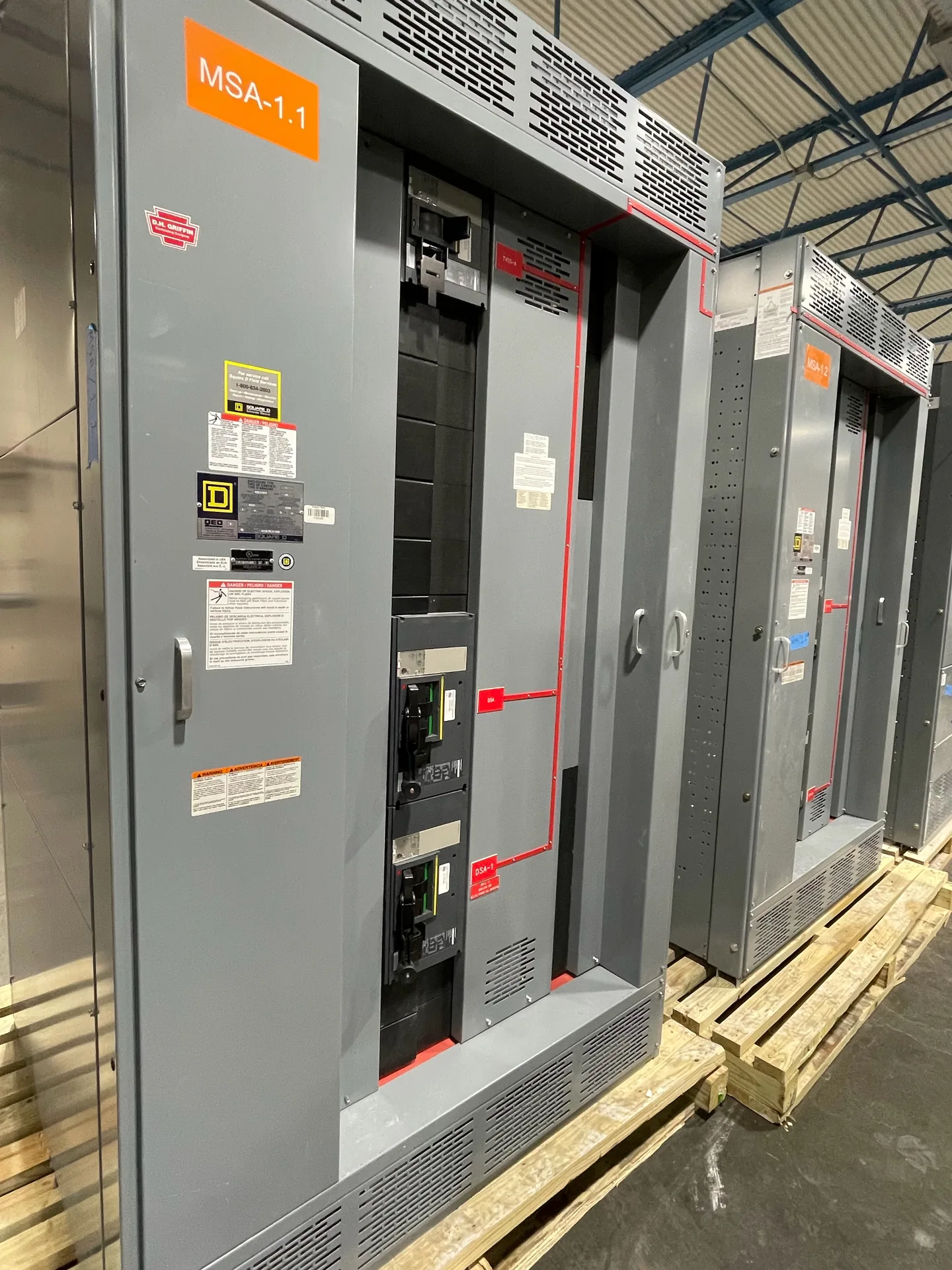
Factory testing and field commissioning address different risks, so a project plan should define both before equipment is built or shipped. Factory checks can examine an assembly under agreed conditions; site work verifies how the equipment was installed and how it interacts with the actual electrical system. Neither phase automatically includes every test a buyer might expect. Switchgear Builder Virginia manufactures new, custom switchgear in the United States using all-American components, with nationwide shipping and short lead times subject to quotation and verification. Buyers should align the drawings, test scope, site responsibilities, and acceptance criteria with their engineer, contractor, and commissioning provider.
Factory Testing Scope
Factory testing takes place before shipment and focuses on the equipment as built, against approved drawings and an agreed test plan. Depending on the assembly, contract, and applicable requirements, checks may include visual inspection, verification of wiring and component identification, mechanical operation, and specified electrical tests. The exact list, methods, witness arrangements, records, and acceptance limits must be established in advance; the term “factory tested” alone does not define them. Buyers should identify which devices and functions are included and whether tests occur on a complete lineup or individual sections. For applicable low-voltage switchboards, confirm the requested UL 891 assembly requirements and documentation during quotation. Factory testing cannot confirm field cable terminations, site grounding, upstream protection coordination, or operating conditions that do not exist at the factory. Treat it as evidence about the shipped assembly, not a substitute for site verification.
Field Commissioning Scope
Field commissioning addresses the installed equipment and its connection to the project’s electrical system. The responsible team may verify installation against approved documents, inspect accessible connections and grounding, check control wiring and settings, and perform specified tests before energization. The actual scope depends on the contract, equipment, site conditions, engineering requirements, and applicable procedures. Commissioning may also include functional checks of protective devices, interlocks, metering, communications, or transfer sequences when those features are present and included. These activities require qualified personnel, appropriate safety controls, and an approved plan; they are not instructions for live work. A factory report cannot establish that field connections are correct or that system-level functions operate as intended. The buyer should name the commissioning lead and agree who supplies test equipment, documents results, resolves deficiencies, and authorizes any energization. Confirm the final scope with the project engineer and relevant parties.
Assign Responsibility
A responsibility matrix helps prevent assumptions from turning into schedule gaps. The manufacturer’s scope can define assembly configuration, approved drawings, agreed factory checks, and the records provided with the equipment. The buyer or engineer typically coordinates design criteria and acceptance requirements, while the installing contractor is responsible for installation work within its contract. A commissioning provider may perform or document site checks if engaged for that work; do not assume that role is included with equipment supply. The project documents should identify who reviews settings, supplies upstream system data, approves deviations, witnesses tests, and closes punch-list items. They should also state who controls access and safety procedures at the site. Switchgear Builder Virginia can build to a verified, quoted scope, but responsibilities outside that scope should be assigned separately in writing. Review interfaces early, especially when equipment, installation, and commissioning are purchased under different contracts.
Plan Records and Acceptance
Useful acceptance criteria are specific enough to show what was checked and what result is acceptable. Before release, align the factory test plan with the approved drawings, component schedule, and contract requirements. Specify any requested witness notice, test forms, instrument documentation, or correction and retest process; availability and format should be confirmed in the quote. For field work, identify required installation records, test reports, settings documentation, and sign-offs before commissioning begins. Keep factory and site records distinct, then link them to the equipment identification and project document set. If a discrepancy appears, define who evaluates its impact and approves a correction before work proceeds. Avoid treating a successful factory check as proof that every site acceptance requirement is satisfied. Likewise, commissioning results should not be represented as a manufacturer’s factory test unless that work was actually performed under the agreed factory scope.
Coordinate Schedule and Scope
Factory checks and field commissioning affect different parts of the project schedule. Factory testing may need to occur before shipment, while field verification depends on installation readiness, access, connected systems, and the availability of responsible personnel. Buyers should identify required review and witness points early, because late changes to drawings, settings, or test expectations can affect planning and may require a revised quote. Confirm which items must be complete before the commissioning team arrives and how incomplete site conditions will be handled. Shipping timing, test dates, and production schedules are subject to quotation and verification, not an automatic commitment. Switchgear Builder Virginia offers custom new switchgear and nationwide shipping; the applicable configuration, agreed factory checks, and schedule should be confirmed for each project. Separating responsibilities and acceptance records makes it easier to distinguish an equipment issue from an installation or system-level issue.