
COMPARISONS / MANUFACTURER DIRECT
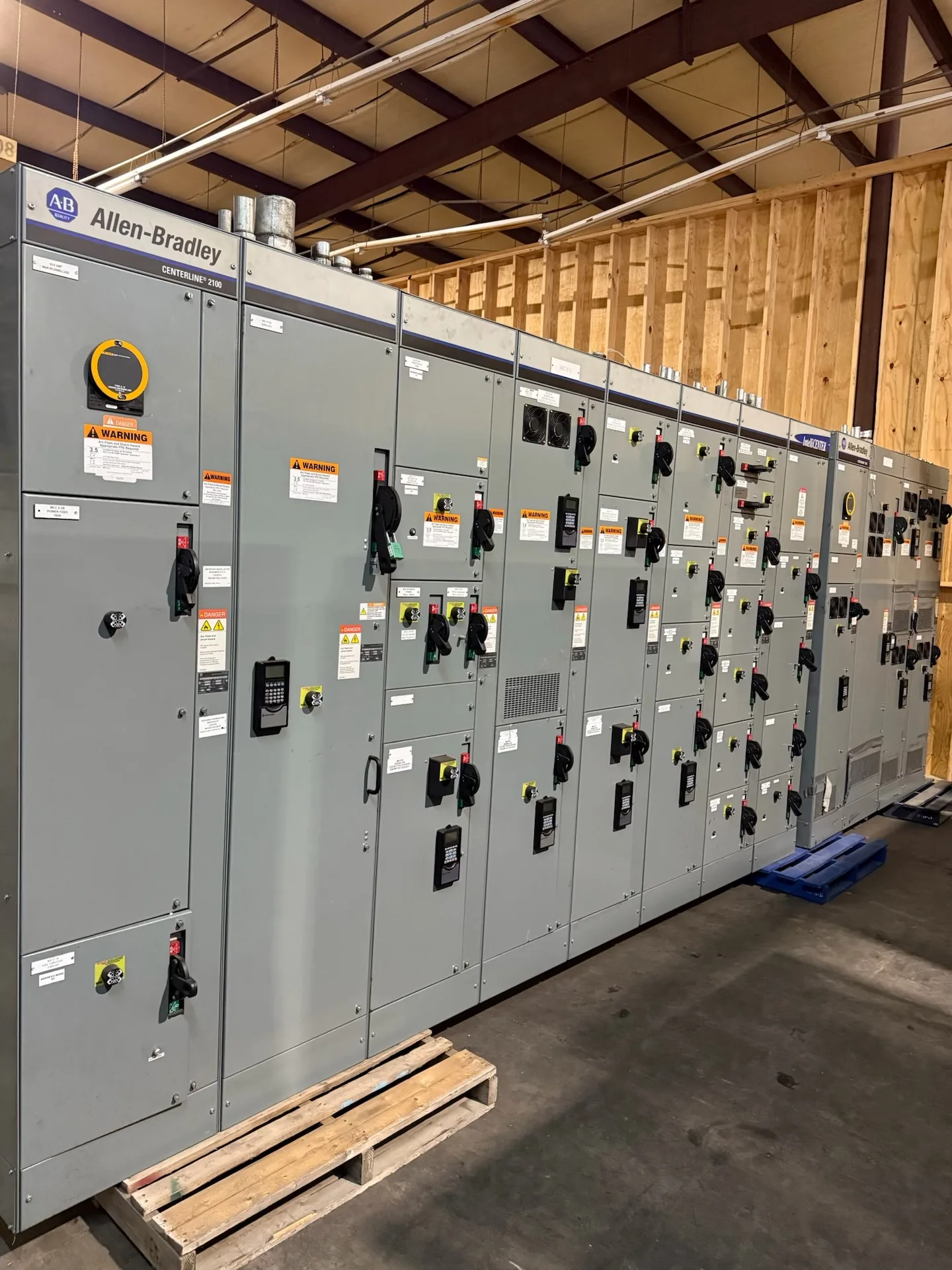
Choosing front-access or rear-access construction affects more than where an electrician stands. It shapes room layout, cable routing, service approach and the space reserved for future work. The right arrangement depends on the switchboard design, incoming and outgoing connections, operating needs and the actual equipment-room plan. Switchgear Builder Virginia manufactures custom new switchboards in the USA using all-American components, with nationwide shipping. Compare the access plan against the manufacturer’s drawings before finalizing room dimensions or purchasing equipment; schedules, ratings and applicable construction details require quote and verification.
What Access Means
Front-access and rear-access describe how people reach equipment areas for operation, inspection or connection work; they do not, by themselves, define a switchboard’s ratings or complete service requirements. In a front-access arrangement, the intended operating and maintenance approach is from the front, while rear-access construction provides access behind the lineup for specified tasks. The exact boundary varies by design: breaker handles may be front-facing in either option, while cable terminations, barriers or service points can have different access requirements. Ask the manufacturer to identify which components require front, rear or side access on the proposed drawings. Also distinguish routine operation from installation and maintenance access. A lineup that appears front-accessible may still need space for cable entry, section removal or other work identified by its design. Confirming these details early keeps the comparison grounded in the actual assembly, rather than relying on the option name alone.
Room Clearances
Front-access designs can help when a room has limited depth behind the lineup, but they do not eliminate the need to plan working space, door movement, cable entry and installation access. Rear-access designs need a usable approach and work area behind the switchboard, which can influence room depth, adjacent equipment placement and access routes. Neither layout is automatically smaller overall: a front-access assembly may require additional depth or a different cable arrangement, while a rear-access lineup may fit a particular room plan more effectively. Compare the manufacturer’s dimensional drawings with the room’s walls, doors, columns, overhead obstructions and planned conduits. Have the project team verify required clearances against applicable project documents and governing requirements; do not infer compliance from a general layout label. Include space to move equipment into position and maintain the chosen configuration. The selected arrangement should work in the completed room, not just on a simplified plan view.
Terminations And Routing
Termination access is often the deciding difference because incoming and outgoing conductors must reach their designated connection points without creating impractical installation or service conditions. A front-access design may place specified termination work at the front, but confirm conductor entry direction, bending space, lug locations and barriers for the exact proposed configuration. Rear access can provide a separate work approach for certain connections, yet it requires room behind the switchboard and a planned route for conductors. Top or bottom entry, feeder quantity and conductor sizes can affect the arrangement; these are design inputs to verify, not assumed features of either access type. Request drawings that show connection areas and the intended cable path, then coordinate them with the electrical contractor’s routing plan. Check whether a future feeder or planned expansion changes the access preference. Switchgear Builder Virginia can develop custom new switchboards, with configuration, ratings and applicable UL 891 assembly details subject to quote and verification.
Operation And Maintenance
For routine operation, identify where operators will stand, which doors or covers they are expected to use and whether normal tasks can be performed without entering a restricted area. Front-access construction can concentrate the approach on one side, which may simplify a room layout when rear access is unavailable. Rear-access construction can separate some connection or inspection work from front operating activities, but that benefit matters only if the rear approach remains accessible and the equipment design supports the intended task. Ask the manufacturer and project’s qualified electrical professionals to define anticipated inspection and maintenance activities, access points and any required isolation procedures. Do not assume that either construction permits work on energized equipment; follow the equipment documentation and applicable safety practices. Consider who will need access over the switchboard’s service life, not only the initial installation crew. A practical selection balances clear operator access, safe planned maintenance and realistic room conditions rather than favoring a label in isolation.
Choose From Drawings
Make the comparison using the same project inputs for both alternatives: lineup dimensions, incoming and outgoing cable locations, operating approach, room boundaries, installation path and expected maintenance access. Mark the front and rear of each proposed arrangement directly on the room plan, then check every door, working position and conductor route against the manufacturer’s drawings. Ask for clarification wherever a connection point, barrier or clearance is not shown; do not treat an unshown feature as included. If the room is shallow, front-access construction may be worth evaluating, while a room with adequate rear working space may support a rear-access option. Those are starting points, not universal rules. Switchgear Builder Virginia manufactures new switchboards in the USA and ships nationwide; available construction, lead time, ratings and applicable UL 891 details are subject to quote and verification. Base the purchase decision on confirmed drawings and project requirements.