
COMPARISONS / MANUFACTURER DIRECT
Indoor versus outdoor switchgear is not simply a choice between placing the same equipment inside or outside. The installation environment affects enclosure selection, usable space, access, ventilation, foundations and the work needed to maintain the assembly. Switchgear Builder Virginia manufactures new switchgear with configurations developed around project requirements, using direct USA manufacturing and all-American components. The right comparison starts with the site: where the equipment can be located, what exposure it may face, how operators will reach it, and what the project documents require. Ratings, construction details, schedules and applicable approvals must be confirmed for the specific quote; neither an indoor nor outdoor label alone establishes suitability.
Exposure and enclosure
Indoor equipment is generally located within a building or electrical room, where the surrounding structure may reduce direct exposure to weather. Outdoor equipment is intended for a site location where the enclosure itself must address the specified environmental conditions. That distinction does not mean every indoor room is clean, dry or temperature controlled, or that every outdoor enclosure suits every climate or installation. Buyers should identify expected moisture, dust, corrosive agents, sunlight, ambient temperature and other site exposures, then have the required enclosure construction and ratings verified for the proposed assembly. Also consider water paths, drainage, nearby processes and the chance that construction or landscaping could change exposure. An enclosure selection should follow documented conditions and applicable project requirements, not assumptions based only on whether the equipment sits inside or outside. Confirm these details during quote review.
Space and layout
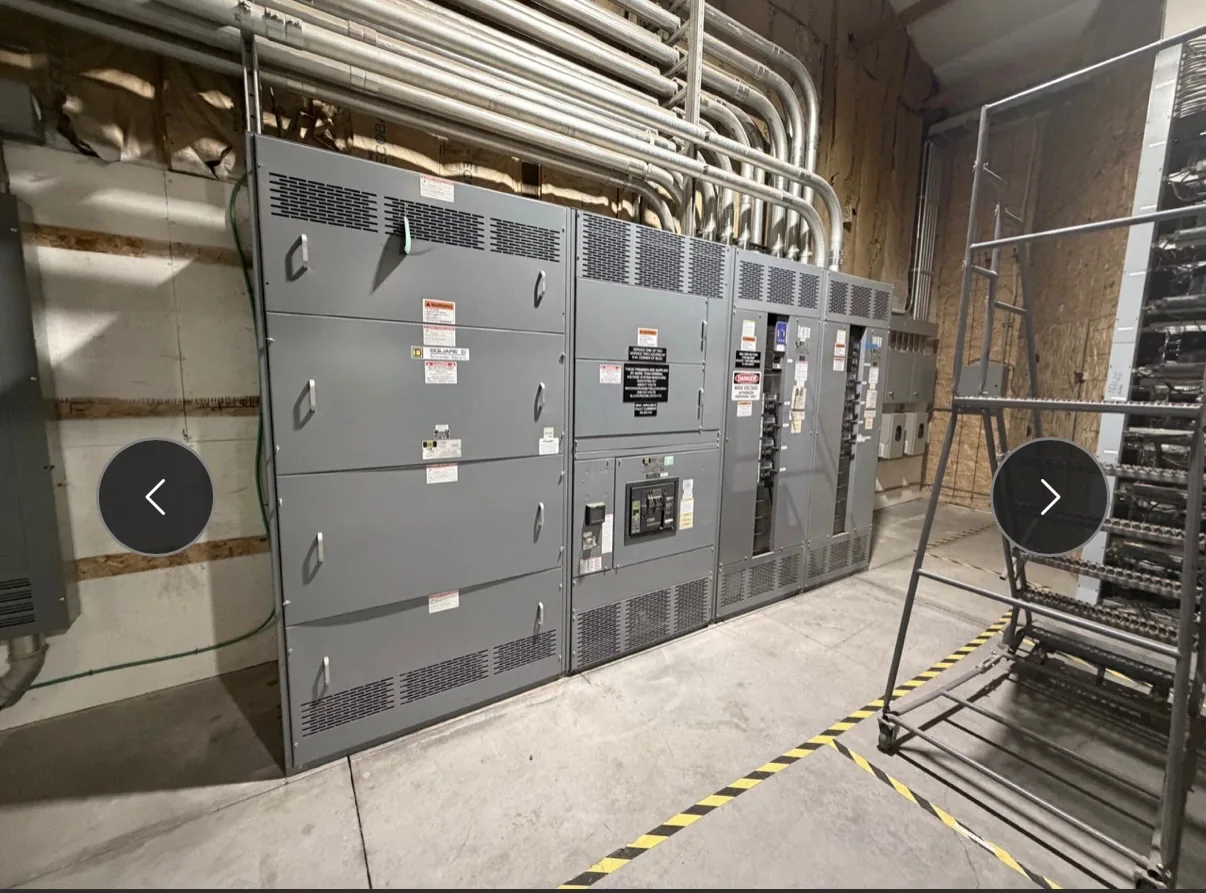
An indoor installation can use an existing electrical room, but available floor area, door openings, ceiling height and routes for moving equipment may constrain the design. The room must also leave workable access for operation, inspection and planned maintenance; fitting an assembly into a drawing does not by itself establish that installation and future access are practical. Outdoor placement can preserve building space, yet it introduces its own footprint, access route and site coordination needs. Compare the complete arrangement, including doors, working areas required by the project, cable entry direction, adjacent equipment and room for any specified future expansion. Ask the design team to confirm clearances and access against governing documents and site conditions. Switchgear Builder Virginia can develop a custom new assembly to quoted requirements, while final dimensions and arrangement remain subject to engineering review and verification.
Foundations and installation
Indoor switchgear may bear on a building floor or other prepared support, while an outdoor installation may require a foundation or support designed for its location and equipment arrangement. Neither choice should be made from a generic assumption: actual weight, footprint, anchorage, cable routing and site construction details need coordination among the equipment design and responsible project professionals. Outdoor placement can make underground conduits, drainage and access during installation important; an indoor room can present its own pathway, floor opening or handling constraints. Identify who is responsible for foundation design, field measurements, penetrations and interface details before the equipment configuration is finalized. Confirm that installation requirements are compatible with the building or site drawings. A custom build can address specified interfaces, but it does not replace site verification or establish that an unreviewed foundation, floor or support is adequate.
Ventilation and environment
Heat management depends on the equipment configuration, electrical loading, enclosure, surrounding temperature and installation environment. An indoor room may need ventilation or cooling provisions established by the project design, especially where other heat-producing equipment shares the space. Outdoor equipment may experience changing ambient conditions and direct solar exposure; the specified arrangement must be evaluated for those conditions rather than presumed suitable because it is outdoors. Buyers should provide relevant loading assumptions, room or site temperatures, environmental exposures and any ventilation constraints for review. Do not assume that adding room air conditioning, enclosure ventilation or heaters is automatically required or included; these are design choices to verify against the equipment and project specifications. Likewise, do not infer a temperature rating from an enclosure label alone. The quoted configuration and applicable documentation should identify the requirements being addressed and any options needing confirmation.
Access and project decision
Maintenance access is a lifecycle consideration, not just a matter of convenience at installation. An indoor location may offer shelter for routine inspection, but crowded rooms, restricted doors or competing uses can complicate access. An outdoor location may provide more separation from occupied space, while weather, site security, surrounding activity and the access path can affect planned work. Evaluate who needs access, how the equipment will be approached, and whether the project can preserve the necessary space over time. For low-voltage switchboards where applicable, UL 891 assemblies can be quoted; confirm applicability and the required assembly details for the project. Switchgear Builder Virginia supplies new custom switchgear with nationwide shipping. Request a quote based on verified site conditions, drawings, required ratings and interface needs; schedules and ratings remain subject to quote and verification, with no delivery date assumed.