
TECHNICAL GUIDES / MANUFACTURER DIRECT
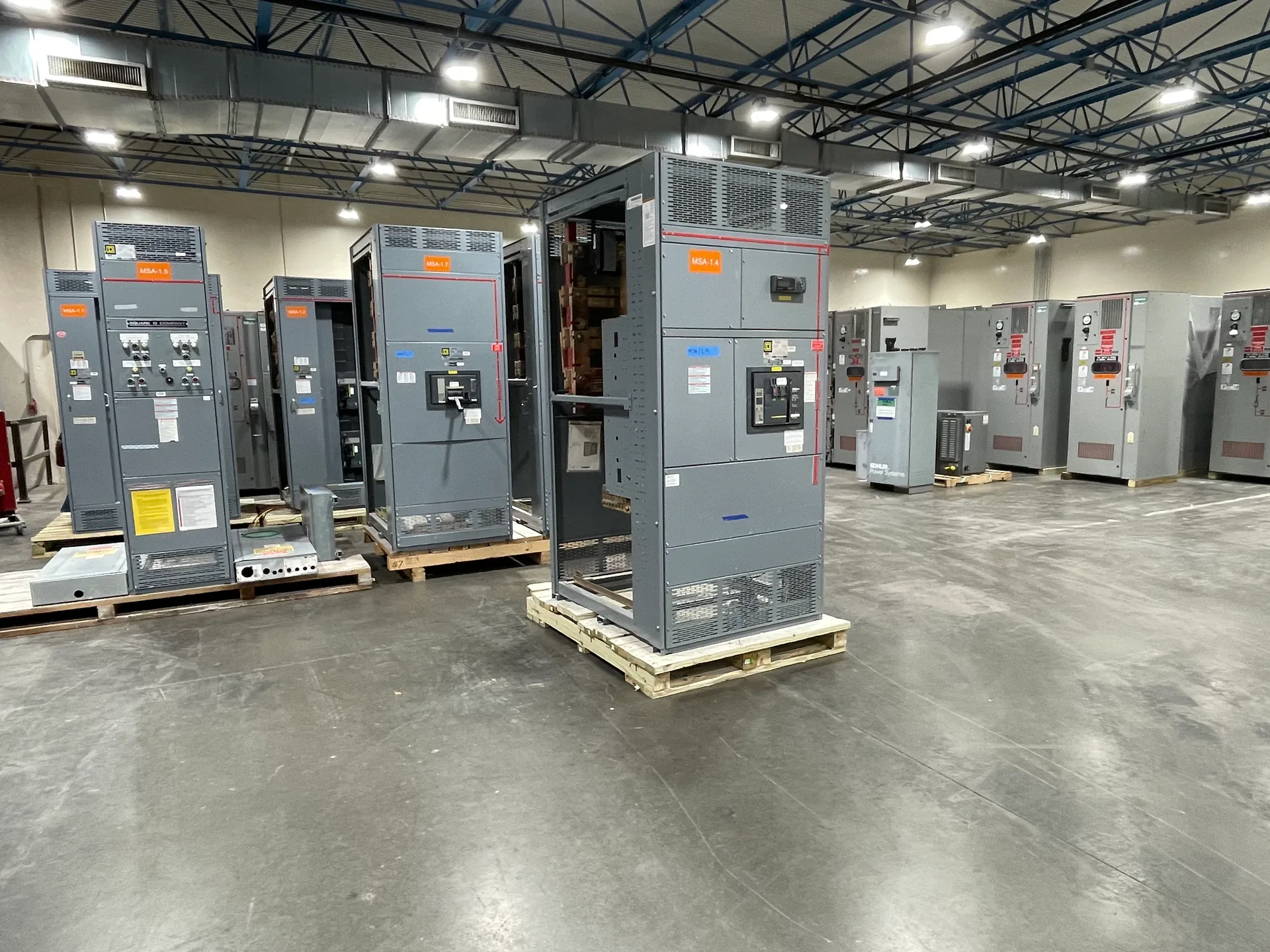
A circuit-breaker trip-settings handoff is the documented transfer of responsibility for protection values, device programming, verification and future changes. On a new switchgear project, unclear ownership can leave a breaker with unreviewed settings or leave the commissioning team unsure which file controls. Switchgear Builder Virginia manufactures custom new switchgear with all-American components and ships nationwide; project schedules and equipment details are established through quotation and verification. Before release, identify who develops and approves settings, who loads them, what testing is required, and where the final records will live. Treat the project’s approved protection documents and equipment-specific requirements as controlling, rather than assuming a standard division of work.
Name Each Owner
Start the handoff matrix by assigning a named role to each decision, not by writing “electrical contractor” or “vendor” across the entire process. The engineer of record or designated protection engineer may develop or approve settings, while the equipment supplier may provide breaker data, available adjustment ranges, and device-specific programming information. The installing contractor may coordinate field access and communicate approved files, and a commissioning or testing provider may verify operation if included in the project scope. These are possible divisions, not fixed rules: contract documents and project requirements determine responsibility. Identify who resolves conflicting documents and who can authorize a revision. Record each party’s organization, contact, deliverable, due date, and approval status. If an assigned task sits outside a party’s contracted scope or expertise, clarify that before equipment release rather than leaving the gap for commissioning.
Control the Source File
Define which document is the authoritative source for each breaker’s trip settings. It could be a coordination study, approved settings schedule, or another engineer-approved record, depending on the project. Capture the equipment and breaker identifiers, protective-function values, units, curve or delay selections where applicable, and the revision date. Confirm that identifiers match the one-line diagram, equipment drawings, and the actual breaker configuration; similar labels can conceal differences in frame, trip unit, sensor, or available functions. Keep draft calculations separate from the released settings file, and make approval status visible on every transmittal. If a value conflicts with device limits or project documents, stop the transfer and send a written clarification to the responsible reviewer. Do not resolve engineering disagreements by silently choosing a value or copying a setting from another installation.
Plan Loading and Checks
State who will enter or load the approved values, where that work will occur, and what information the person needs before starting. Depending on the breaker and scope, programming may be performed by qualified personnel before shipment or during field commissioning; do not assume either arrangement. Identify the approved file revision, the device’s applicable configuration, and the method for confirming the displayed or stored values against the approved schedule. Specify whether independent review, functional testing, primary- or secondary-injection testing, or other verification is required by the project documents and the equipment involved. Testing methods and acceptance criteria should be determined by qualified project professionals, not inferred from a generic checklist. Record exceptions, inaccessible functions, failed checks, and corrective actions. Energization and test boundaries must follow approved project procedures; the handoff is not authorization for unqualified or unsafe work.
Document the Result
Require a completed record that shows what was approved, what was actually loaded, who performed the work, when it occurred, and how the result was verified. Include breaker identification and location, trip-unit or device identification when available, settings-file name and revision, test method and outcome where applicable, and any deviations or open items. Keep the record legible and traceable to the relevant equipment drawings and project documents. If settings are entered through software, specify the acceptable native file or export format and where the project team will store it; a screenshot alone may not preserve every relevant detail. Define who receives the final package and who confirms it is complete. Missing records can make later troubleshooting or maintenance harder, but the handoff should not imply that a particular test, listing, approval, or commissioning service is included unless the scope confirms it.
Manage Later Changes
Trip settings may need review when equipment, loads, protection coordination, or operating arrangements change. Establish a change-control path before turnover: identify who may request a change, who evaluates and approves it, who updates the controlled schedule, who loads the revised values, and who verifies and records the result. Require a revision identifier and effective date so field teams can distinguish current instructions from superseded copies. Define how obsolete files are withdrawn from active use and how approved revisions reach affected project parties. A field adjustment should not become the new baseline merely because it appears on a device display; it needs the review and documentation required by the project’s authority and procedures. For custom new switchgear, Switchgear Builder Virginia can coordinate equipment-specific information within the quoted scope. Confirm responsibilities, deliverables, and schedule assumptions in writing; lead times are subject to project review and verification.