
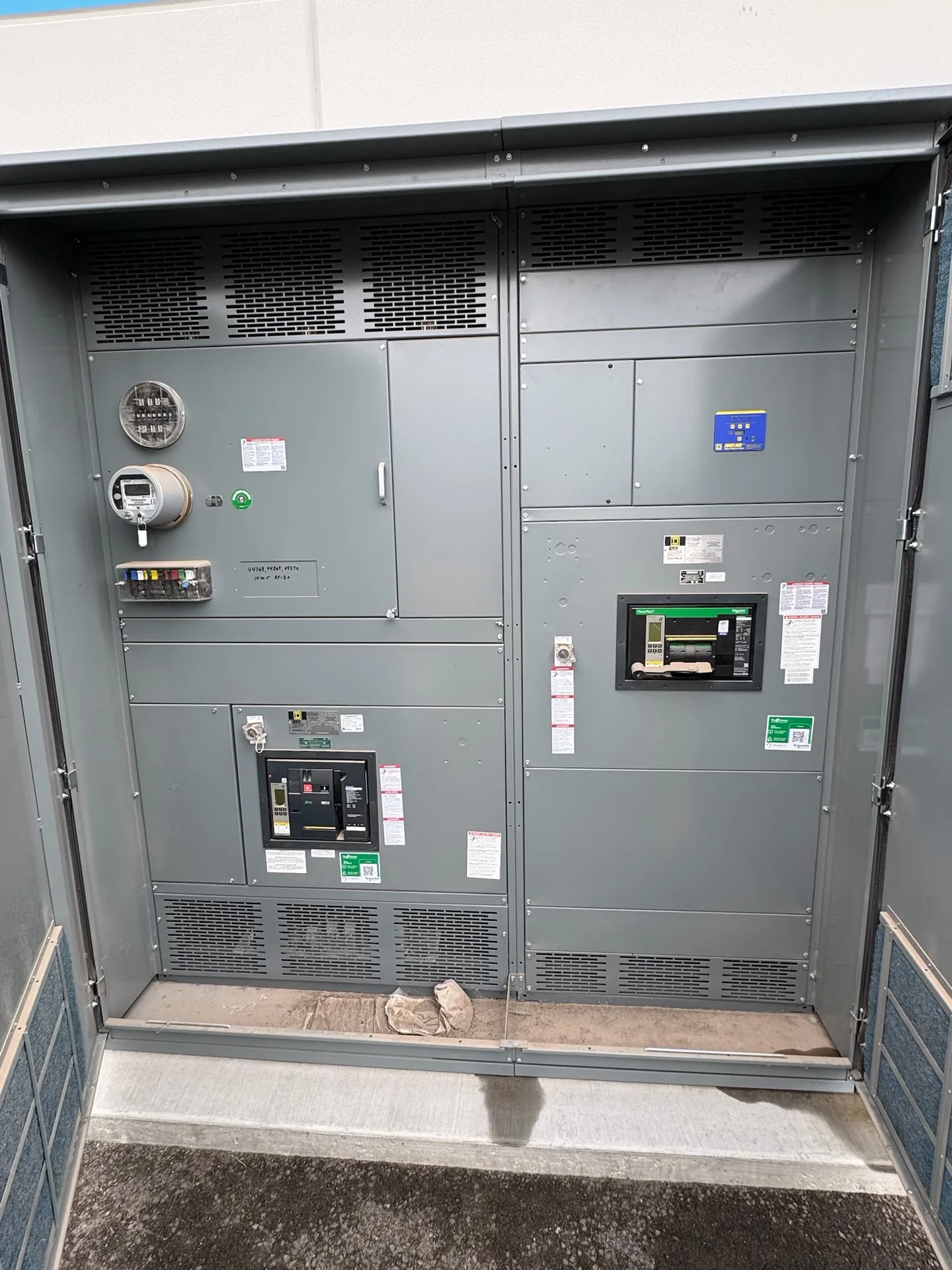
TECHNICAL GUIDES / MANUFACTURER DIRECT
Corrosion protection starts with the enclosure’s actual exposure—not a finish name or an assumed rating. Switchgear Builder Virginia can build new switchgear to project requirements, with material and coating options selected for documented site conditions and maintenance plans. Before specifying an enclosure, identify where it will be installed, what it may contact, and how often it can be inspected. Those details help buyers compare options without treating a protective finish as proof of a particular corrosion rating. Final materials, construction details, and schedules are subject to quote and verification.
Document the Exposure
Describe the enclosure location in terms that can guide material selection: indoor or outdoor placement, expected moisture, condensation, airborne contaminants, cleaning agents, and proximity to corrosive processes. Include whether the equipment may encounter salt-bearing air, chemical vapors, washdown, or standing water, but do not assume these conditions apply to every project. Record the expected temperature range and whether the enclosure is shaded, heated, or exposed to direct weather; these factors may affect condensation and coating performance. Ask the facility team to identify routine cleaning products and any accidental spills that are reasonably foreseeable. A general label such as “corrosive environment” is not enough to select a finish. A written exposure description gives the manufacturer and project engineer a shared basis for evaluating materials, construction details, and maintenance needs before the equipment is quoted.
Compare Material Options
Enclosure material and protective finish are related choices, but they are not interchangeable. A coated metal enclosure depends on the specified substrate, surface preparation, coating system, application, and care after installation. Stainless steel may be considered for some environments, yet alloy selection, fabrication details, contamination, and cleaning still matter; the word “stainless” does not establish suitability for every chemical or exposure. Nonmetallic materials may also be options for certain applications, subject to the electrical equipment design and project requirements. Compare the complete proposed construction rather than choosing by a material name alone. Ask which substrate and finish are included, which surfaces receive protection, and whether cut edges, welds, fasteners, hinges, and hardware are treated consistently. The right choice balances exposure resistance with mechanical needs, equipment configuration, inspection access, and expected upkeep.
Specify a Finish Clearly
A useful specification identifies a finish by its documented system or project-approved reference, not simply by color or a broad phrase such as “corrosion proof.” Where a particular coating is required, state the intended exposure, required preparation, application limits, and any documented performance criteria the project team expects to verify. Confirm whether the requirement covers the enclosure exterior, interior, mounting surfaces, and accessory hardware, because finish scope can vary. If a standard, test method, or environmental classification is named, check that it applies to the proposed equipment and is supported by appropriate documentation; do not infer compliance from a similar product description. Protective finishes may have limitations around damaged areas, joints, or field modifications. For new custom switchgear, Switchgear Builder Virginia can review stated finish and material requirements during quoting, with final construction details subject to confirmation.
Plan for Maintenance
Protection is not a substitute for inspection and care. Establish a maintenance plan that matches the documented site exposure and the enclosure manufacturer’s instructions. Depending on the environment, the plan may call for periodic visual checks for coating damage, corrosion, moisture entry, loose or deteriorated seals, or residue that can retain moisture. Specify who will inspect the enclosure, how findings will be recorded, and how repairs or replacement parts will be reviewed. Cleaning methods and products should be confirmed as compatible with the chosen finish and equipment; aggressive chemicals, abrasive methods, or unapproved touch-up materials can compromise a protective system. Avoid assuming that an outdoor enclosure needs the same upkeep as one in a washdown or chemical area. The project team should also decide how maintenance access will be provided without creating exposure or safety concerns for personnel.
Verify the Complete Design
Review corrosion-related requirements alongside the electrical and mechanical design, rather than treating the enclosure finish as an isolated selection. Confirm the intended location, enclosure arrangement, openings, ventilation approach, cable-entry details, mounting method, and any accessories with the responsible project team. These features may affect how moisture or contaminants reach the equipment, so proposed changes should be reviewed before fabrication. Distinguish a requested finish from a verified environmental rating: a coating description alone does not establish a rating, test result, listing, or approval. Ask what documentation is available for the specific quoted configuration and what remains the buyer’s or engineer’s responsibility to confirm. Switchgear Builder Virginia manufactures new custom switchgear with all-American components and offers nationwide shipping; applicable details, ratings, documentation, and schedules are subject to quote and verification. UL 891 applies only where relevant to applicable low-voltage switchboard assemblies, not as a corrosion rating.