
TECHNICAL GUIDES / MANUFACTURER DIRECT
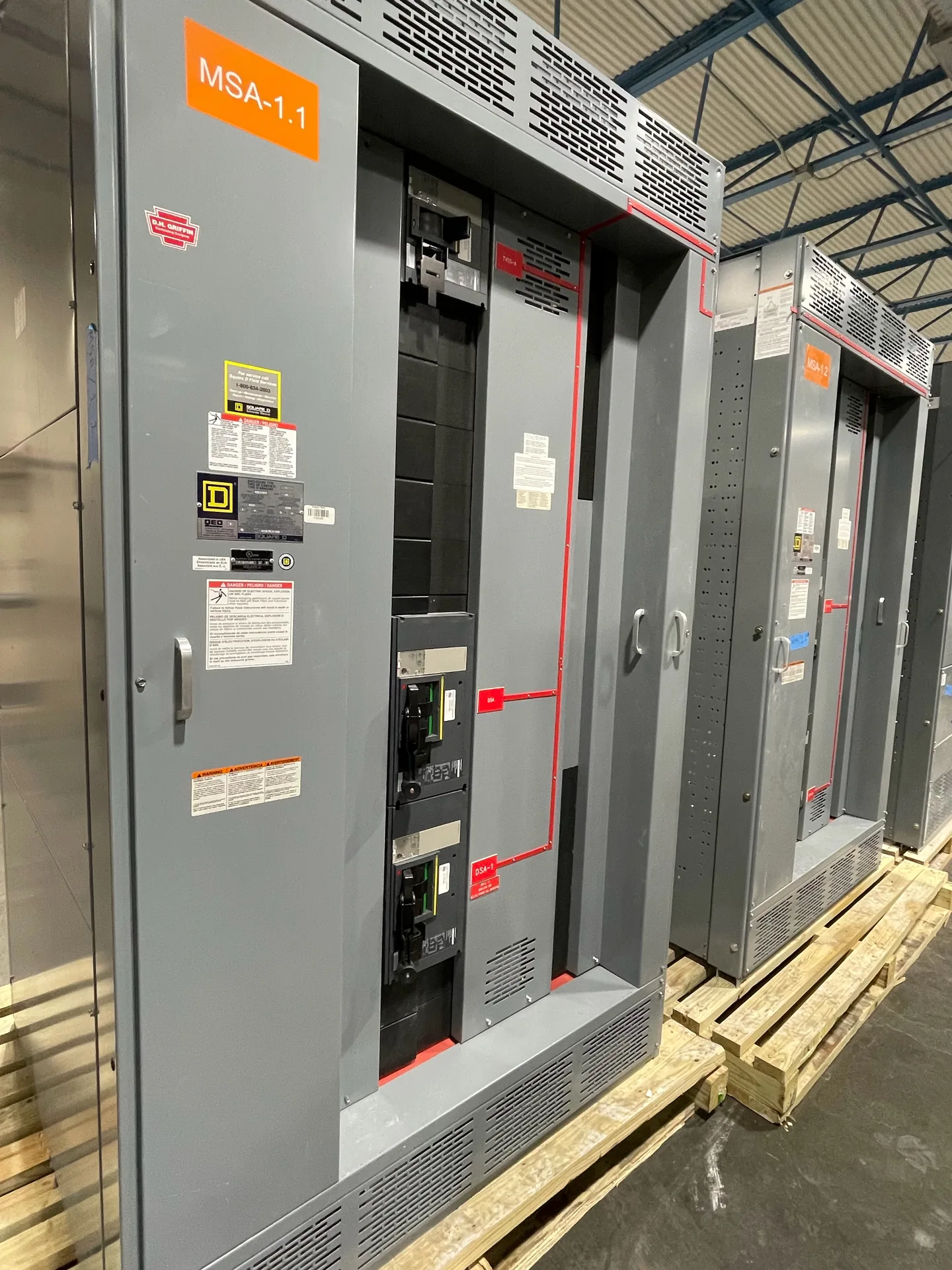
Condensation control starts with the conditions around the equipment, not with a heater selected in isolation. Temperature swings, humid air, enclosure construction, operating cycles and available control power all affect the approach. Switchgear Builder Virginia builds new switchgear to project requirements, with all-American components and nationwide shipping. For each design, buyers should confirm the expected environment, control scheme and maintenance responsibilities before finalizing options. Schedules and ratings require quotation and verification.
Identify the moisture risk
Condensation forms when a surface becomes cool enough for moisture in nearby air to collect on it. In switchgear, the concern is not simply a high humidity reading: temperature changes, cold surfaces, air leakage and periods of low equipment load can combine to create a local risk. Outdoor exposure, unheated rooms, seasonal shutdowns and rapid day-to-night temperature swings may deserve attention, depending on the installation. Start by documenting the equipment location, expected ambient conditions, enclosure arrangement, operating schedule and any known moisture history. These details help the design team determine whether heaters, environmental controls or other measures merit consideration. Do not assume that a nominal room temperature describes conditions inside every compartment. Buyers should also identify who will monitor the space and maintain any controls, since a sound design can lose effectiveness if its operating conditions or maintenance needs are overlooked.
Evaluate space heaters
Compartment or enclosure heaters can help keep internal surfaces above the conditions that promote moisture deposition, but they require a suitable heat source, control method and installation plan. Confirm the available control power, expected voltage, circuit protection, wiring arrangement and whether the heater should operate continuously or respond to a control device. The needed capacity depends on the enclosure and site conditions; it should be determined for the project rather than inferred from a generic rule of thumb. Heating may add electrical load and create warmer internal conditions, so buyers should ask how heater placement and operation relate to nearby components and the overall design. Consider what happens during loss of control power, maintenance shutdown or seasonal change. A heater is not a substitute for addressing water entry, damaged seals or other sources of moisture. Include heater inspection and functional checks in the documented maintenance plan.
Ventilation has tradeoffs
Ventilation can help manage heat in some installations, but bringing outside air into an enclosure may also introduce humid air, dust or other contaminants. Whether ventilation is appropriate depends on the equipment design, environmental exposure, heat-removal needs and applicable project requirements. Do not treat an open vent or fan as an automatic condensation remedy. Ask the design team to evaluate the path of airflow, the conditions of the incoming air and any filtration or enclosure constraints. In some settings, limiting uncontrolled air exchange may be preferable; in others, ventilation may be needed for thermal reasons. These goals can conflict, so the solution should account for both moisture and temperature rather than optimizing one in isolation. Verify that any proposed fan, filter or vent is compatible with the specified enclosure and its required protection. Establish who will inspect and clean these components, and how blocked filters or failed fans will be identified.
Plan controls and sensing
A humidity sensor, temperature sensor or combined controller can make environmental measures respond to observed conditions, but sensor location and control logic affect what the readings mean. A sensor mounted in a warmer area may not represent a cooler surface elsewhere in the assembly. Discuss where sensors belong, which conditions trigger operation, how the control circuit is powered and what indication is available if a device fails. If heaters cycle automatically, confirm whether the control strategy is intended to limit condensation, manage energy use or serve another project goal. Those objectives may call for different settings and behavior. Specify any alarms, remote status points or monitoring interfaces only when they are needed and supported by the project design. Document setpoints and operating sequences for the people responsible for the equipment. Before release, review control power and maintenance procedures, and verify the selected devices, ratings and control details against the approved project documents.
Make maintenance practical
Condensation control is an operating plan as well as a design choice. The owner or maintenance team should know which heaters, sensors, fans, filters and control devices are included, how their status is checked, and what conditions require follow-up. Inspection intervals and procedures should be established for the actual installation and manufacturer documentation, rather than assumed to be universal. Any signs of water entry, corrosion, residue or recurring moisture warrant qualified evaluation; environmental controls should not conceal an underlying enclosure or building issue. Avoid maintenance methods that expose personnel to energized parts. Work boundaries, isolation and verification must follow the site’s approved safety procedures and be performed by qualified personnel. At procurement, request clear documentation of the supplied options and required control power so maintenance staff can prepare before installation. Switchgear Builder Virginia can configure new custom builds to quoted project requirements; final features, ratings and schedules remain subject to review and verification.