
TECHNICAL GUIDES / MANUFACTURER DIRECT
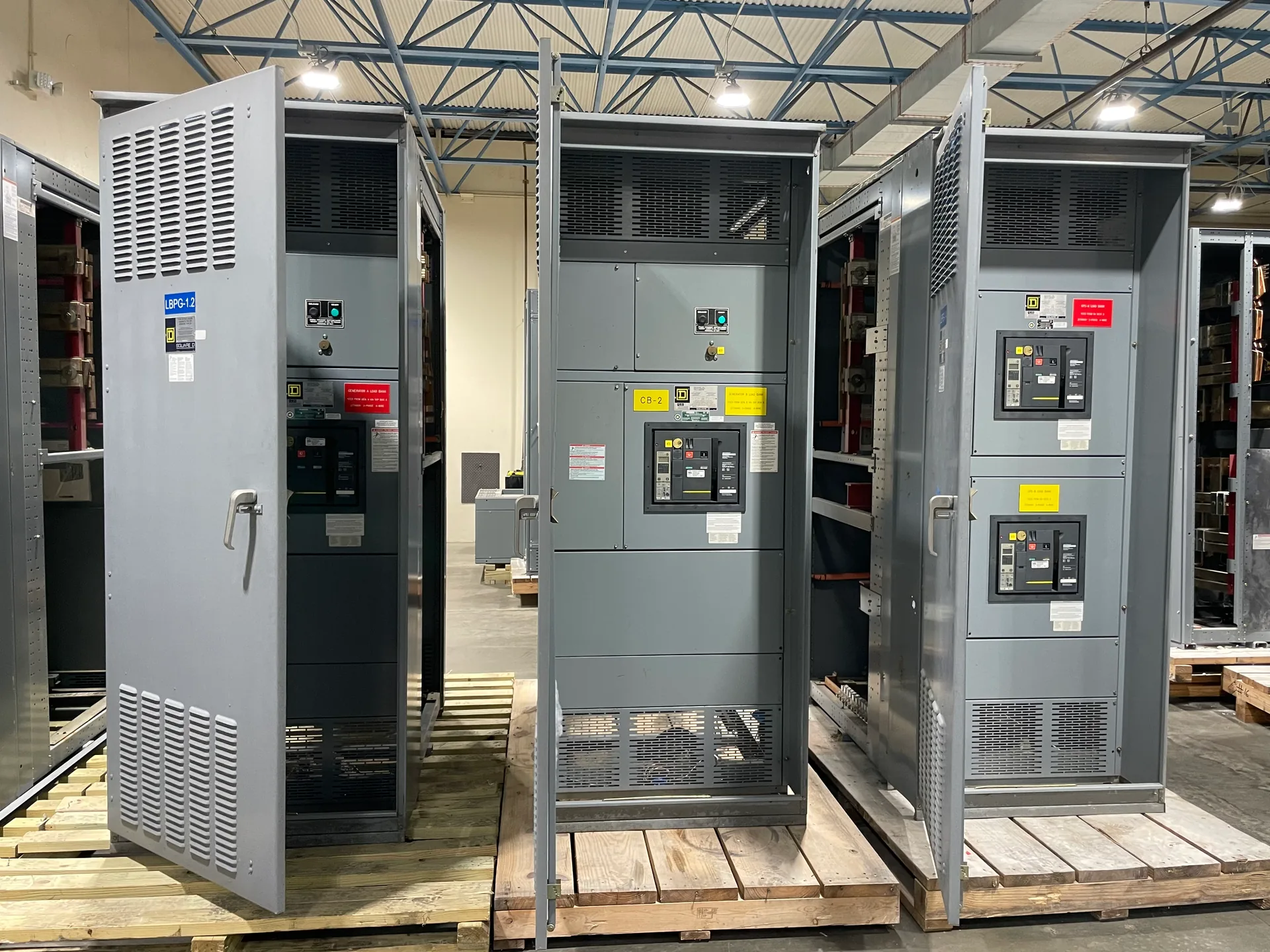
Domestic component traceability starts with a clear record of what is specified, what is supplied, and how substitutions are reviewed. For a new switchgear build, buyers can define the evidence they need before procurement begins, then align the bill of materials, supplier documents, and revision controls. Switchgear Builder Virginia manufactures in the USA with all-American components; project-specific origin records and documentation should be confirmed during quoting. Component-origin records can support purchasing review, but they do not by themselves establish compliance with any federal procurement regime.
Define the scope
Begin by defining what “domestic” means for the project and which parts of the assembly must be tracked. A buyer may ask for origin information on major electrical devices, bus material, enclosures, controls, or every line item; those are different documentation scopes. Also distinguish a component’s country of manufacture from the origin of its raw materials, subcomponents, or final assembly. These terms should not be treated as interchangeable. Put the requested definition, covered items, acceptable evidence, and any exceptions in the procurement specification. For a new custom switchgear build, Switchgear Builder Virginia can review the requested scope during quoting, with records and availability confirmed for the specific design. A component-origin list is a planning tool, not a determination that a product meets a federal purchasing rule or other program requirement.
Build the parts record
Use a bill of materials that identifies each tracked item by a stable part description, manufacturer or supplier, quantity, and drawing or revision reference. Add fields for stated country of origin, evidence type, document date, and review status. Where practical, connect each entry to the switchgear lineup, section, or function so that reviewers can locate it without guessing. Keep untracked items visible too: marking a line “not requested” is clearer than leaving a blank that could mean missing information. Avoid inferring origin from a brand name, distributor location, shipping point, or the place where the full assembly is built. If a supplier’s document covers only a product family or part of a component, record that limitation. The buyer and manufacturer can then resolve gaps before the bill is treated as an accepted project record.
Select supplier evidence
Evidence should match the claim being recorded. Depending on the item and project requirements, useful records may include supplier-origin declarations, manufacturer product documentation, purchase records, or a project-specific response from the supplier. Identify who issued each record, which part numbers it covers, and whether it applies to the supplied revision. A catalog page may identify a product but may not establish the origin of a specific shipment; a distributor invoice may show the seller without proving where an item was made. Set an evidence hierarchy with the buyer rather than assuming every document has equal weight. If a supplier cannot provide the requested detail, record the limitation and ask whether an alternate item or documentation approach is acceptable. Evidence supports review, but it does not independently establish legal eligibility under a federal procurement regime.
Control substitutions
Origin records can become inaccurate when a component changes after initial review. Establish a change process that identifies who may approve substitutions, which origin requirements apply, and what documents must be refreshed before a change is accepted. The process should connect the revised part number to the affected drawing and bill-of-materials revision, while retaining the prior record for audit history. Buyers may also specify whether a substitution requires advance notice, written approval, or renewed evidence. Those expectations are best settled before design release, because late changes can affect availability, fit, ratings, coordination, and schedule. Switchgear Builder Virginia offers custom builds and short lead times, but specific schedules and component choices depend on the quoted design and verification. A traceability workflow helps surface tradeoffs; it should not imply that any particular substitution is automatically acceptable.
Review the project file
Before accepting the documentation package, compare the final bill of materials with the approved drawings and purchase requirements. Check that tracked part numbers align, evidence is attached or referenced, exceptions are disclosed, and revisions reflect approved changes. Assign a record owner and decide how long the project file must be retained; retention periods should follow the buyer’s contract and applicable requirements, not an assumed universal rule. Ask reviewers to distinguish factual origin statements from conclusions about program eligibility. If federal procurement rules apply, the buyer should identify the relevant regime and obtain qualified compliance review; a domestic-origin list alone is not a certification. Switchgear Builder Virginia ships nationwide, and project documentation, applicable assembly requirements, and any requested records should be discussed and verified for the quoted new equipment before approval.