
TECHNICAL GUIDES / MANUFACTURER DIRECT
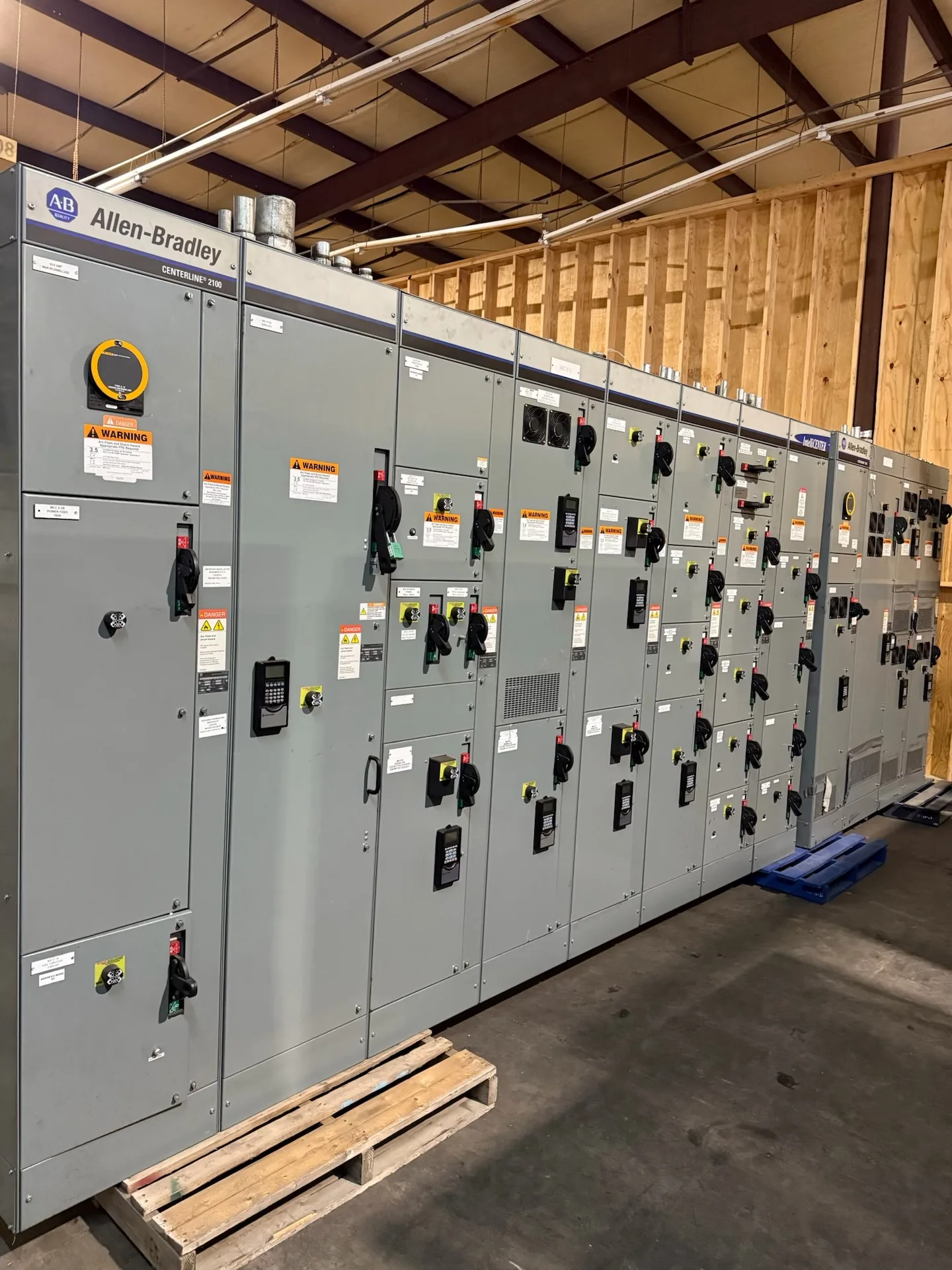
Clear labels help operators, maintainers, and project teams identify equipment and understand what drawings and records describe. For a new switchgear build, labeling decisions begin with the approved one-line diagram, equipment schedule, control documentation, and owner requirements—not assumptions based on a generic panel layout. Switchgear Builder Virginia manufactures custom new switchgear with all-American components and ships nationwide; label content, ratings, and schedules are established and verified for each quoted project. Decide early which labels belong on the factory-built equipment and which must be supplied or applied by the owner or another project party.
Device identification
Device tags should give each breaker, switch, meter, relay, and control selector a distinct identity that matches the approved drawings and operating documents. Agree on the tag format before fabrication: a concise identifier may use a lineup section, device type, and sequence, but the project’s established convention should govern. Consistent tags make it easier to compare the physical equipment with the one-line diagram, wiring diagrams, and maintenance records. They also reduce confusion when several devices have similar functions. Specify whether tags should identify the load, the device function, or both; a breaker feeding a pump, for example, may need a stable device tag plus a load description. Review naming changes through document control so labels and drawings do not drift apart. The final tag schedule should identify who approves wording, who supplies any owner-specific identifiers, and when approved information is due.
Ratings on nameplates
A nameplate communicates equipment identity and selected electrical characteristics, but its values must come from the approved design and verified build—not a template, an assumed system voltage, or a nearby device’s data. Review the proposed nameplate information against the project documents, including the specified voltage, current, frequency, short-circuit or withstand information where applicable, and equipment identification. Which ratings apply and how they are presented depends on the equipment type and the approved design. Do not treat a brief, an example schedule, or a catalog value as proof of a particular assembly rating. Ask the project engineer or responsible design authority to resolve conflicts before release. The purchaser should confirm required nameplate fields, wording, units, language, and placement during submittal review. Any ratings, standards, or markings remain subject to quote, design review, and verification for the specific new equipment.
Source identification
Source labels can show the normal source, alternate source, transformer, generator, or other supply identified in the project documents. Their usefulness depends on accurate, current information: a label that names an outdated source or implies an incorrect operating condition can mislead. Define source wording from approved one-line diagrams and confirm whether labels should name upstream equipment, a utility-designated source, or a project-defined source identifier. Avoid informal names that may not be understood by future operators. Where multiple sources or transfer arrangements exist, coordinate the wording with the approved diagrams and operating procedures; do not infer switching behavior from the label alone. The project team should establish who confirms source names and who updates records if the design changes. A manufacturer can build to approved, supplied project information, but source data and field conditions should be reviewed by the parties responsible for the electrical design and site documentation.
Safety and warning labels
Safety labels are not a substitute for approved design, operating procedures, or site-specific hazard evaluation. Identify the warnings and notices required for the project, their exact wording, language, symbols, locations, and responsible approving party. Requirements can depend on equipment configuration, intended use, and applicable codes or owner standards, so do not assume that a generic warning set covers every installation. Coordinate equipment labels with any site-wide labeling program to avoid conflicting equipment names or hazard information. Confirm whether factory-applied labels are expected, or whether the owner, installer, or another designated party will apply labels after installation using verified field information. This distinction matters for labels whose content depends on final connections, sources, or site conditions. Review proposed safety text through the project’s qualified design and safety processes; never use a label as permission to perform hazardous work or as a substitute for established safe procedures.
Factory and field responsibility
A clean labeling handoff separates information that can be finalized for the factory build from information that depends on installation or later owner decisions. The submittal package can document approved device tags, nameplate fields, source descriptions, label materials, and intended locations. The project team should flag items awaiting confirmation rather than allowing assumptions to become permanent labels. Before release, reconcile the label schedule with the latest approved drawings and identify who signs off on changes. After delivery and installation, the owner or designated project party should verify any field-applied labels against actual site conditions and controlled records. Keep a record of approved wording and revisions so future maintenance documents remain consistent with the equipment. Switchgear Builder Virginia can consider custom label requirements as part of a quoted new build; scope, ratings, and schedule require project-specific review and verification.