
TECHNICAL GUIDES / MANUFACTURER DIRECT
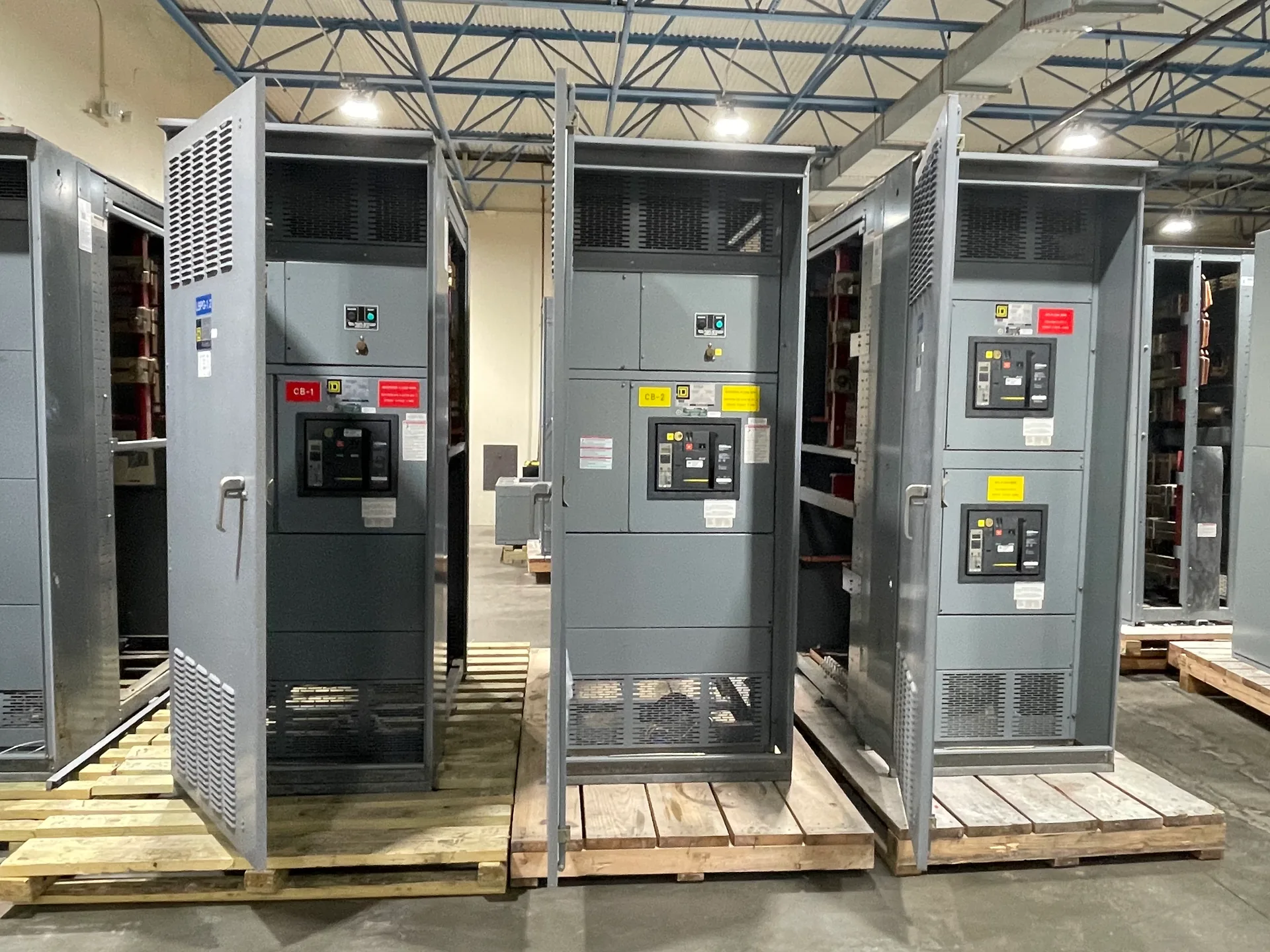
Switchgear lifting and rigging planning starts before equipment reaches the site. The design team, manufacturer, carrier, and qualified rigging personnel need consistent information about each shipping section, its approved lift points, the route to its final position, and site constraints. For a new custom assembly from Switchgear Builder Virginia, confirm these details against the project’s quoted configuration and manufacturer documentation; do not infer weights or lifting capacity from a general product description. Early coordination can help the project team identify access conflicts and determine who is responsible for lift design and execution.
Confirm Section Weights
Plan around the weight of each shipping section, not a single assumed weight for the complete lineup. Section weights can vary with the specified enclosure, bus, devices, and other configuration choices, so use the manufacturer’s project-specific shipping information when available. Confirm whether the stated figure is for an individual section, includes packaging, or describes another configuration; those distinctions affect lifting and transport planning. If the final arrangement changes after the information is issued, ask the manufacturer to verify whether the weight data remain applicable. Qualified personnel responsible for the lift can use verified section weights, together with their own assessment of equipment and conditions, to develop the lifting plan. Do not estimate a section’s weight from its appearance or use a catalog value as a substitute for project-specific confirmation. Resolve unclear or missing weight information before the lift is scheduled.
Verify Approved Lift Points
Use only the lift points and lifting method identified for the specific equipment configuration by its manufacturer. A feature that looks like a lifting attachment may not be suitable for the planned lift, and a method used on a different lineup may not apply. Confirm the relevant drawings, instructions, and equipment labels with the manufacturer before the rigging plan is finalized. The qualified personnel designing and carrying out the lift must determine whether the documented points and method fit the actual equipment and lift conditions. Do not assume that doors, roof panels, bus, or other enclosure features can carry lifting loads. If documents do not clearly show the approved points, or the equipment configuration has changed, pause planning and seek clarification rather than improvising. Any proposed alternative method requires appropriate review by responsible qualified personnel and manufacturer confirmation where needed.
Survey the Route
A sound rigging plan considers the complete route from delivery access to the equipment’s intended position, not only the final room. The project team should provide qualified planners with current site information, including door and corridor clearances, turns, overhead restrictions, floor transitions, and the intended unloading and staging areas. Where a crane, forklift, hoist, or other handling equipment may be needed, its suitability and operating conditions are matters for qualified personnel to assess. Verify measurements at the site rather than relying solely on older drawings, and identify temporary obstructions or construction that could change access. If the route is uncertain, have the responsible site team resolve the access question before equipment dispatch or lifting activities are planned. Nationwide shipping does not establish that a particular site can accept a delivery or that a given handling method is appropriate.
Assign Lift Responsibilities
Identify who is responsible for the lifting design, site readiness, delivery coordination, and lift execution before the equipment arrives. These duties may involve the owner, electrical contractor, general contractor, carrier, and qualified rigging personnel, but the project team should define actual assignments rather than assume them. The people responsible for the lift need access to current manufacturer documentation and verified site conditions. They should also coordinate timing, staging, communication, and any site-specific controls through the project’s established safety process. Do not treat a shipping schedule or manufacturer drawing as a substitute for a lift plan prepared and carried out by qualified personnel. If responsibilities are split among organizations, confirm who resolves conflicts and who has authority to delay work when information or conditions are inadequate. This coordination helps keep equipment handling distinct from electrical installation and commissioning responsibilities.
Coordinate Before Dispatch
Before dispatch, compare the approved equipment configuration and shipping information with the access plan and the lift team’s requirements. Confirm the number and arrangement of shipping sections, the intended delivery and staging location, and whether the route assumptions still match site conditions. If a doorway, floor condition, overhead clearance, or handling method presents a concern, raise it with the responsible project personnel early; do not assume the assembly can be modified or divided on site. Custom builds and short lead times may support project coordination, but schedules, weights, and handling details remain subject to quote and verification. Switchgear Builder Virginia manufactures new switchgear and can coordinate applicable project information for its quoted equipment. Nationwide shipping is available, while receiving, unloading, rigging, and placement arrangements must be confirmed for the individual project by the parties responsible.