
LOCATIONS / MANUFACTURER DIRECT
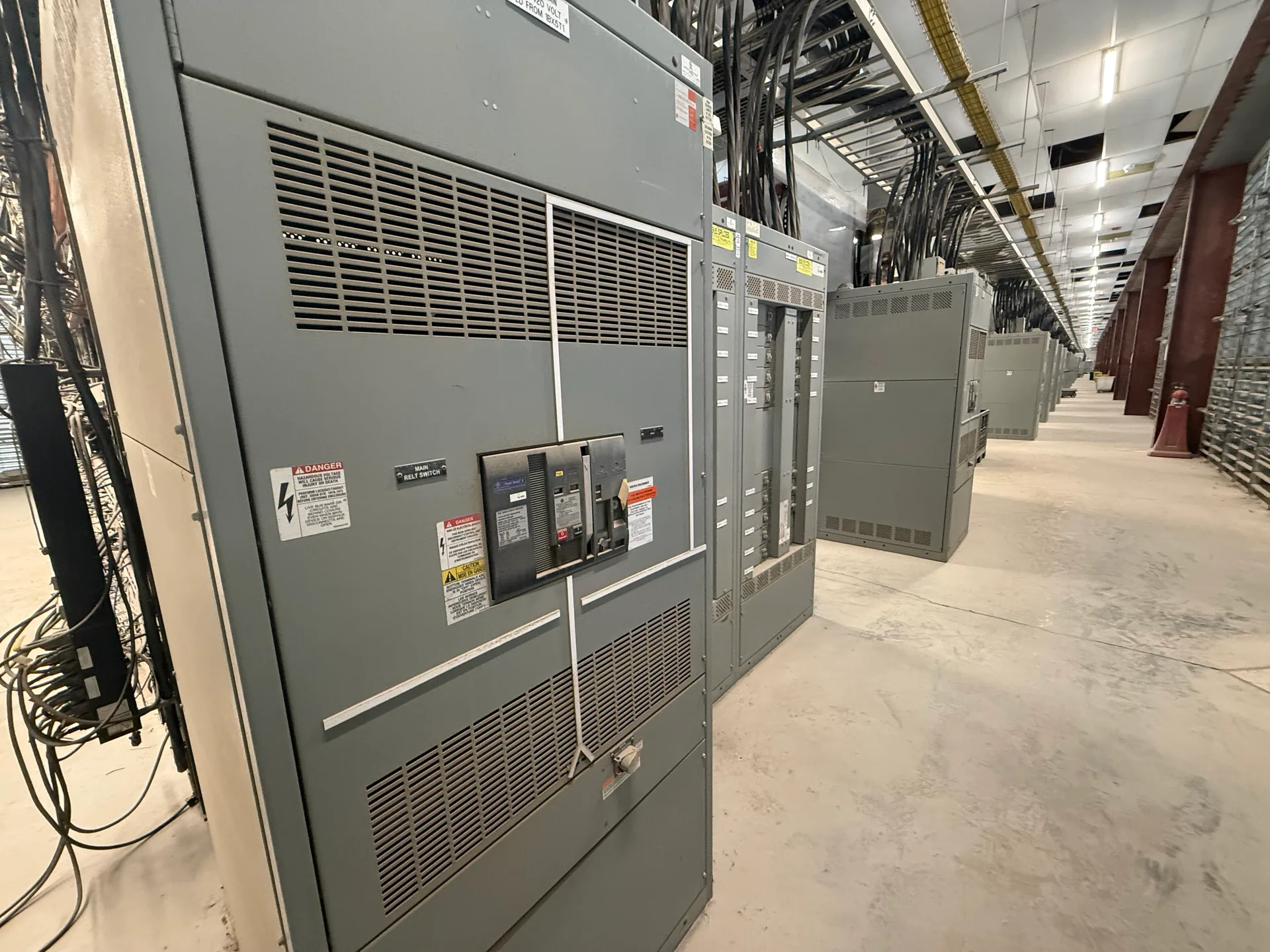
Switchgear Builder Virginia manufactures new switchgear for commercial projects in Alexandria, Virginia, with custom builds, all-American components, direct USA manufacturing and nationwide shipping. For a dense-site installation, start with the building’s verified electrical requirements and the physical route from delivery point to equipment room. Street access, service-entry location and room clearances can affect the design and installation plan, but they must be checked for the actual property. Share project documents to request a manufacturer-direct quote; ratings, schedule and configuration require review and confirmation.
Start With the Electrical Basis
Define the system before selecting equipment: document the source, voltage, phase, available fault-current information, connected loads, operating sequence and any planned expansion. Confirm these details with the project engineer and the applicable utility or authority rather than assuming a standard arrangement will fit. Identify whether the request is for a low-voltage switchboard or another switchgear type, because construction, ratings and applicable standards differ. For an applicable low-voltage switchboard, UL 891 assembly requirements should be stated and verified in the quote; that standard does not apply to medium- or high-voltage gear. Also clarify who supplies and installs incoming conductors, metering provisions, protective devices and control wiring. A complete design basis helps Switchgear Builder Virginia evaluate a custom new-equipment build without treating preliminary assumptions as approved ratings or final specifications.
Plan the Delivery Route
For a hypothetical dense-site installation, trace the complete route from the truck’s permitted stopping point to the equipment room. Measure gates, doors, corridors, turns, ramps, elevators and overhead obstructions, then compare those constraints with the proposed shipping sections, handling method and equipment dimensions. A narrow entrance or tight turn may require different section dimensions, a revised delivery sequence or coordination with the project’s rigging team. Confirm who is responsible for unloading, moving and setting the equipment, and whether the building requires scheduled access or protective measures. Do not assume that a switchboard can be split into smaller sections after design; connection points, bus arrangement and assembly requirements need review. Provide verified measurements and site photographs or drawings with the quote request, while treating any proposed shipping configuration as subject to engineering review and confirmation.
Check Service-Entry Conditions
Record where the electrical service enters the building and how feeders will reach the proposed equipment location. The actual service arrangement, conductor routing, metering approach and required disconnecting means depend on project documents and review by the responsible utility, engineer and permitting authority. For a hypothetical Alexandria building with limited space, compare the proposed lineup location with the incoming path, working space, cable bend needs and access for installation and future maintenance. Avoid fixing equipment dimensions around an assumed service layout; changes to feeder direction or termination space can affect the lineup. A service-entrance equipment assembly may be relevant, but its configuration and suitability must be specified and verified for the project. A service-entrance engineering review can help organize those questions before quotation, without substituting for approval by the project’s design professionals or applicable authority.
Verify the Equipment Room
Use current plans and field-checked dimensions to confirm the equipment-room footprint, door swing, ceiling height, floor conditions and clear working and access spaces required by the project design. Account for adjacent piping, ducts, structural features and other equipment that could obstruct installation or operation. Confirm whether the room’s environmental conditions and available ventilation are appropriate for the proposed equipment, based on manufacturer documentation and project requirements. If the building is occupied, coordinate the anticipated delivery path and installation sequence with the site team; do not assume existing electrical service can be interrupted when needed. The engineer and authority having jurisdiction should resolve applicable code and permitting questions for the specific address. These checks make the quote more useful and can expose conflicts early, but final dimensions, ratings, approvals and installation methods remain subject to project-specific verification.
Prepare a Quote Request
Send the one-line diagram, specifications, load information, requested ratings, scope boundaries, delivery location, schedule target and verified access dimensions when requesting a quote from Switchgear Builder Virginia. Note which requirements are firm and which remain under design, and identify any requested metering, protective devices, controls or special termination arrangements. Ask the manufacturer to identify assumptions and items needing confirmation so the project team can resolve gaps before approving a build. Custom equipment and short lead times may be available, but schedule and ratings are subject to quote and verification; no delivery date should be treated as confirmed until documented for the order. Nationwide shipping does not imply a local Alexandria office or local project history. For next steps, review the service-entrance design checklist, the service-entrance equipment assembly information and the quote-request process against the actual project documents.