
LOCATIONS / MANUFACTURER DIRECT
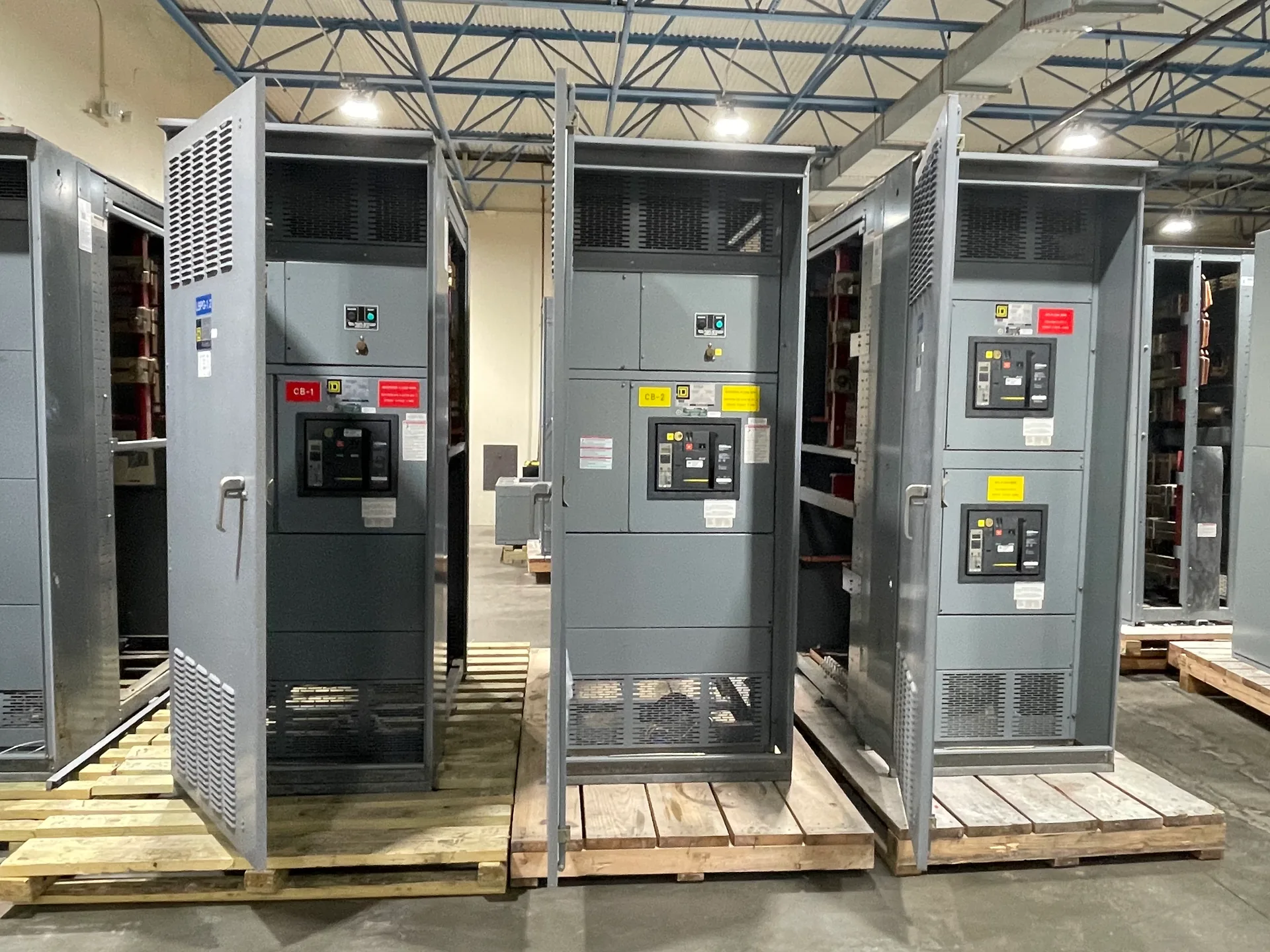
For a Charlottesville healthcare project, new switchgear should be specified around how normal and essential sources connect, which loads each serves, and how equipment can be maintained without disrupting clinical operations. Switchgear Builder Virginia manufactures custom equipment in the USA using all-American components and ships nationwide. Actual configuration, ratings, schedule, and applicable requirements must be confirmed for the project. Use the related critical-load design and healthcare pages to coordinate early decisions, then send a quote request with the project documents and operating criteria available.
Map the sources
Start a hypothetical Charlottesville healthcare building’s electrical planning by documenting the normal source, any essential source, and the interfaces between them. Identify which distribution sections serve each source and which loads are assigned to each section; do not treat “healthcare” as a complete equipment specification. The engineer’s one-line diagram, project criteria, and applicable authority requirements should establish the intended arrangement. Where source separation is required, show it clearly in the design documents and confirm how the proposed equipment will preserve that separation. Switchgear Builder Virginia can use those documents to develop a custom new-equipment quote, but the final configuration, ratings, and suitability remain subject to engineering review and verification. This early coordination helps buyers compare proposals on the same scope instead of relying on assumptions about what a general-purpose switchboard includes.
Define essential loads
List essential loads by function and design assignment, then show their intended source and distribution path. A hypothetical facility might need distinct circuits for clinical operations, life-safety functions, equipment support, or other designated services, but the project team must determine the actual categories and applicable rules. Avoid combining loads merely because they occupy the same building or seem similarly important. Clear schedules and drawings help the manufacturer understand the required sections, feeder positions, and source interfaces, while helping the engineer check that the proposed arrangement matches the design. Include anticipated future loads only when the project team has defined how they fit. Capacity, fault-duty requirements, and other ratings must be established from verified project information; a healthcare label or a list of loads alone does not establish the equipment rating.
Plan for maintenance
Maintenance access is a design input, not a detail to defer until equipment reaches the site. For a hypothetical Charlottesville project, review the electrical-room layout, working clearances, door swings, routes for moving equipment, and access to components that may need inspection or replacement. Confirm these conditions against the project drawings and requirements rather than assuming a standard lineup will fit. Ask the design team to identify whether maintenance must occur while particular loads remain served, and what operating procedures or alternate arrangements are intended. Equipment configuration may need to reflect those constraints, but no lineup by itself establishes a safe maintenance plan or uninterrupted service. Share room plans and relevant access limits with the manufacturer during quotation so the proposed arrangement can be reviewed before dimensions and interfaces are finalized.
Verify project requirements
Before selecting equipment, assemble the current one-line diagram, load and feeder schedules, source information, available fault-current data, room drawings, and written project specifications. Have the engineer identify applicable code, utility, owner, and authority requirements and resolve conflicts in the contract documents. Confirm voltage, ampacity, short-circuit ratings, enclosure needs, metering, protection, and control features from verified project criteria; these are selection items, not assumed features. For applicable low-voltage switchboard assemblies, ask whether UL 891 applies to the specified scope and verify the required listing and configuration for the quoted equipment. That standard does not apply to medium- or high-voltage switchgear. Switchgear Builder Virginia can quote custom new assemblies, with final scope, ratings, approvals, and schedule subject to project review and confirmation.
Prepare a quote request
A useful manufacturer-direct quote request states the project location, equipment type, requested quantities, target milestones, and contact for technical questions. Attach the latest one-line diagram, relevant specifications, equipment-room plans, load schedules, and any written requirements for source segregation or maintenance access. Mark unresolved items instead of filling gaps with guesses, and identify which party will approve drawings and confirm ratings. If the design is still developing, explain what decisions remain open so the proposal can distinguish confirmed scope from options to verify. Switchgear Builder Virginia manufactures new switchgear in the USA using all-American components, offers custom builds, and ships nationwide; actual lead times and shipment timing depend on the quoted scope and must be confirmed. Review the related critical-load switchboard design and healthcare switchgear topics alongside the quote checklist.