
LOCATION SERVICES / MANUFACTURER DIRECT
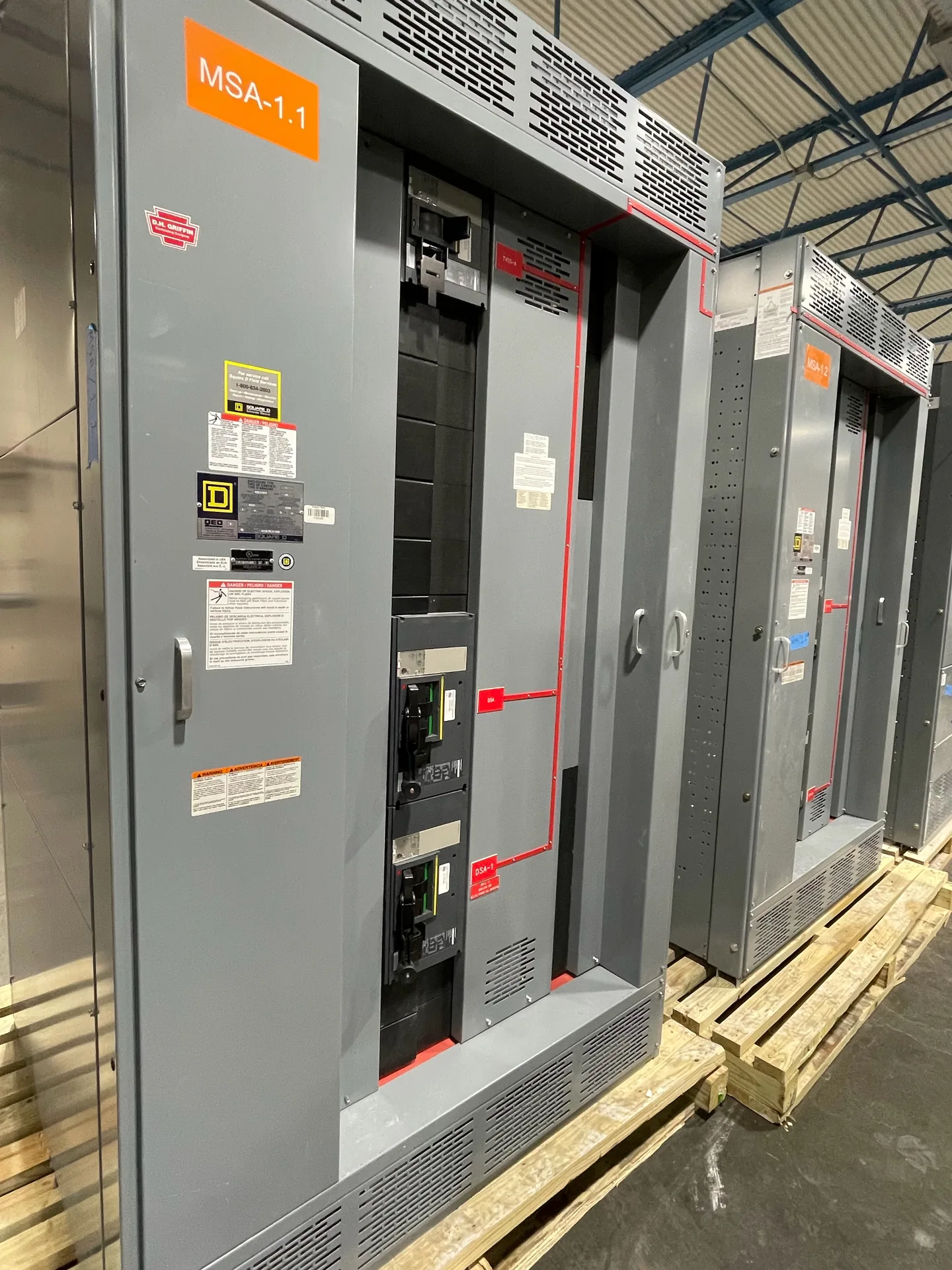
Switchgear section expansion can add capacity without automatically replacing an entire lineup, but physical fit alone does not establish compatibility. For a hypothetical Danville, Virginia, facility, the decision begins with verified equipment records, electrical study data, and site measurements. Switchgear Builder Virginia manufactures and supplies new, custom-built equipment with direct USA manufacturing, all-American components, short lead times, and nationwide shipping. The scope, ratings, schedule, and any applicable assembly requirements must be confirmed for the specific project before quotation.
Start With Existing Records
For a hypothetical facility expansion in Danville, first gather the existing lineup’s manufacturer, catalog and serial information, approved drawings, nameplate data, and any documented modifications. Those records can help determine whether a proposed section is from the same product family and whether the original design supports an addition. A matching enclosure appearance is not proof of electrical or mechanical compatibility. If records are incomplete, an engineer or qualified contractor may need to document the installation and identify what can be verified before design proceeds. Confirm the actual site conditions rather than assuming the building or equipment matches old drawings. This first review helps buyers compare a targeted addition with replacement on an informed basis, and it can identify missing information that affects scope, engineering, rating selection, and price before a new-equipment quote is prepared.
Check Bus and Fault Duty
Bus rating and available fault current are central to deciding whether an added section can serve the planned load. The existing bus rating must be verified against drawings and equipment markings, while a current study or other qualified engineering review should establish the applicable fault duty at the connection point. Do not infer either value from the facility’s size, a past project, or a general product description. The proposed section, bus connection, protective devices, and complete lineup need review as a coordinated system. If the existing assembly’s limits or condition cannot be established, a standalone addition may not be the right basis for design. A new lineup can offer a clearer path to a coordinated configuration, but it also changes the project scope and may require different space, connections, and outage planning. Final ratings require project-specific verification.
Measure the Available Space
A section that appears compatible electrically may still be impractical to install. For the hypothetical Danville site, measure the lineup width and depth, ceiling height, working clearances, cable entry routes, floor openings, and access path from receiving point to final location. Confirm which spaces are actually available and whether existing conduits, piping, structural members, or operating areas constrain the layout. These details can affect section arrangement, shipping splits, connection access, and installation sequencing; they should be checked by the project team, not assumed from a rough floor plan. Compare the footprint of an addition with a replacement lineup, including any space needed for the future maintenance and operation specified by the project. Site conditions and applicable requirements must be verified locally. Clear measurements allow Switchgear Builder Virginia to evaluate a custom new-equipment configuration against the documented installation rather than promise a fit based on incomplete information.
Compare Addition With Replacement
A compatible addition may preserve more of the installed equipment and limit the scope of change, but it depends on reliable identification, acceptable existing ratings, available space, and a design that can connect properly. Replacing the lineup may simplify coordination when the original equipment cannot be verified or when planned capacity, protection, or arrangement exceeds its practical limits. Replacement can also affect more feeders, connections, and outage planning, so the tradeoff is not simply old versus new. Ask the project engineer to compare both paths using the expected load, fault duty, equipment condition, constructability, and the owner’s operating constraints. For applicable low-voltage switchboard assemblies, UL 891 requirements may be relevant; applicability and configuration must be confirmed for the quoted equipment. That standard does not establish suitability for every project or apply to medium- or high-voltage switchgear. Ratings and approvals are subject to verification.
Prepare a Project-Specific Quote
A useful quote request can include the equipment schedule, one-line diagram, existing manufacturer drawings, verified bus and fault-duty information, photos of the installation, measured space, cable-entry preferences, and the planned expansion load. Identify what is confirmed and what still needs field or engineering review. Also describe the intended operating sequence and any project-specific utility or jurisdiction details that the responsible team has verified; do not assume local requirements from the city name alone. Switchgear Builder Virginia can review the supplied scope for a custom new-equipment build and nationwide shipping. Lead time, ratings, configuration, and applicable requirements remain subject to review and quotation, so no delivery date should be assumed before confirmation. For a broader overview, see the switchgear section expansion service page and multi-section switchboards product information, then use the request-quote page to submit project details for evaluation.