
PRODUCTS / MANUFACTURER DIRECT
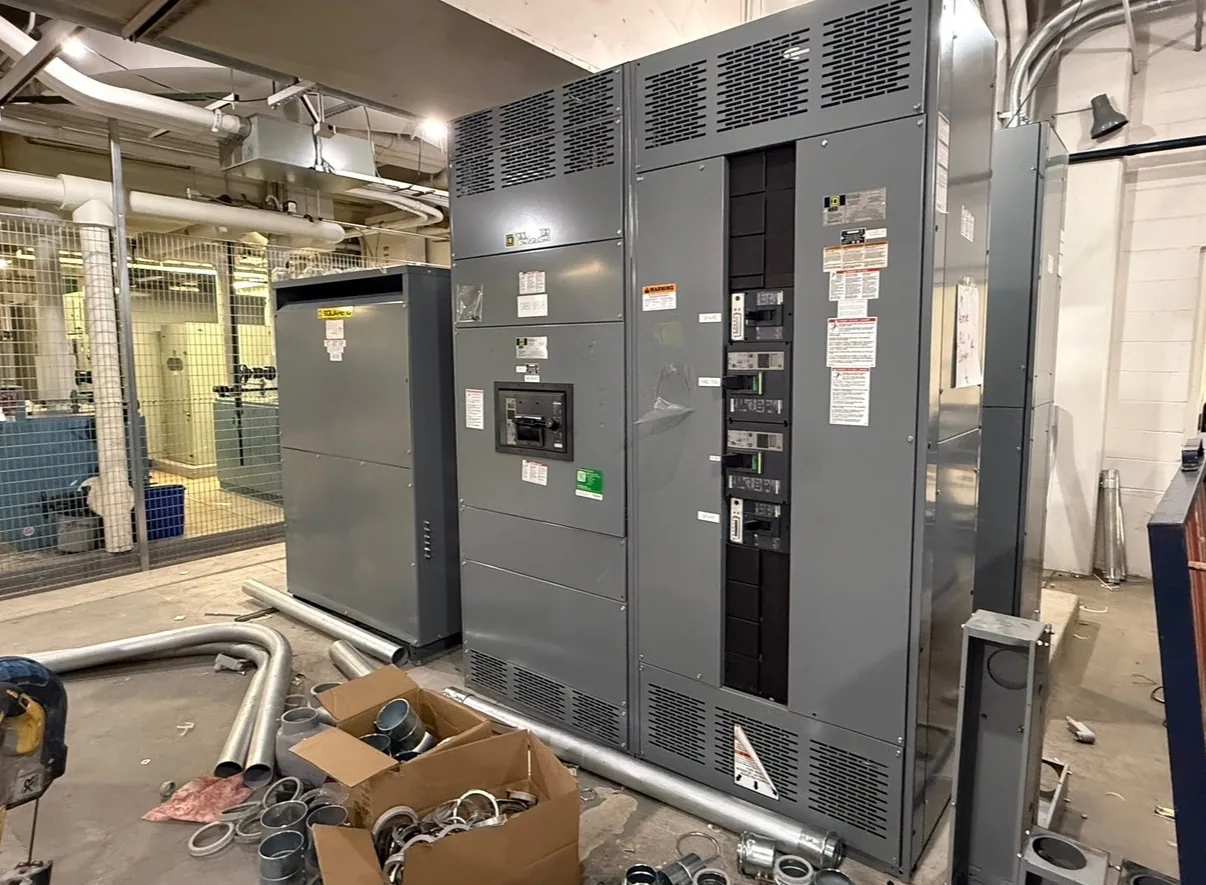
A multi-section switchboard is planned as a connected lineup, but it may need to travel and enter the building in separate pieces. Section count affects more than the overall footprint: it influences bus joints, shipping splits, installation sequence, and room for incoming and outgoing conductors. Switchgear Builder Virginia builds new switchboards to project requirements, with direct USA manufacturing, all-American components, custom builds, short lead times, and nationwide shipping. Confirm the electrical design, site constraints, and division of responsibilities before specifying the lineup; schedules and ratings require project-specific quotation and verification.
Set the lineup length
Start with the required functions, not an assumed number of sections. List the service entrance, main and tie devices, distribution sections, metering needs, and spare feeder positions, then arrange them into a lineup that fits the electrical one-line and the available wall space. Section widths and depths depend on the selected equipment and layout, so confirm actual dimensions rather than relying on a generic planning sketch. A longer lineup can make room for more devices and a clearer equipment arrangement, but it also takes more floor area and may create handling or access challenges. A compact arrangement can save space while limiting future additions and making cable routing more demanding. Share current drawings, equipment schedules, and room dimensions early so section count reflects the design, maintainability, and realistic installation clearances.
Plan shipping splits
Decide which sections should ship together and which may need to travel as separate units. A single large shipping group can reduce the number of field connections, but may be difficult to move through doorways, corridors, elevators, or loading areas. Smaller groups may be easier to handle, yet they require a defined field assembly sequence and carefully coordinated bus connections. Before approving a split, compare the proposed shipping dimensions and weights with the route from truck to final room, including turns, thresholds, lifting limits, and staging space. Identify who receives, unloads, moves, positions, and assembles each group; responsibilities should be explicit in project documents rather than assumed. Shipment configuration, transport arrangements, and timing are subject to project review and quotation. Verify final logistics with the site team and carrier before release.
Coordinate bus connections
Every shipping split creates an interface that must be addressed in the design and installation plan. Identify the bus connection between adjacent sections, how it will be accessed, and what drawings or instructions the field team will need. Confirm bus arrangement, connection location, conductor clearances, and the sequence for bringing sections together against the approved project design. Do not assume that two sections can be joined in any order or that a field joint will fit despite nearby walls, cable trays, or other equipment. The specified electrical ratings and construction details must be reviewed for the complete assembly and the proposed configuration; a project description alone does not establish those ratings. Clarify whether field assembly is included in the scope and who is responsible for inspection and acceptance. If the work requires approvals or witnessed testing, establish those requirements and responsibilities before ordering.
Check access and placement
Room drawings should show the complete lineup footprint, working access, cable entry areas, and the path each shipping group will follow to reach its final position. Check doorway and corridor dimensions, overhead restrictions, floor capacity, turning space, and whether temporary obstructions can be cleared. Confirm equipment orientation and connection points before the lineup is released, because a change in position can affect conduit routes, cable lengths, and service access. Coordinate placement with the electrical contractor, building team, and equipment handlers; do not rely on a rough overall length to confirm that individual sections can pass through the route. Any required clearances and installation conditions should be checked against the applicable project documents and governing requirements by the responsible design professionals. Send current architectural and electrical drawings for review, and resolve mismatches before fabrication and shipment planning proceed.
Reserve feeder space
Feeder planning should account for present circuits and realistic future needs without treating empty space as a promise of simple expansion. Provide a schedule showing each feeder device, its intended use, and any designated spare positions. Confirm device arrangement, cable entry, conductor bending room, and access for installation and maintenance with the design team. A spare position may still require appropriate bus provisions, physical space, and project-specific verification before it can serve a later load. More feeder capacity can increase lineup size and affect shipping splits, while minimizing spare space can make later changes more involved. Ask the manufacturer to review the requested arrangement against drawings and specified requirements; final device selections and ratings remain subject to quotation and verification. Switchgear Builder Virginia can develop custom new switchboards with nationwide shipping, while project schedules and shipment details are confirmed for the specific order.