
LOCATION SERVICES / MANUFACTURER DIRECT
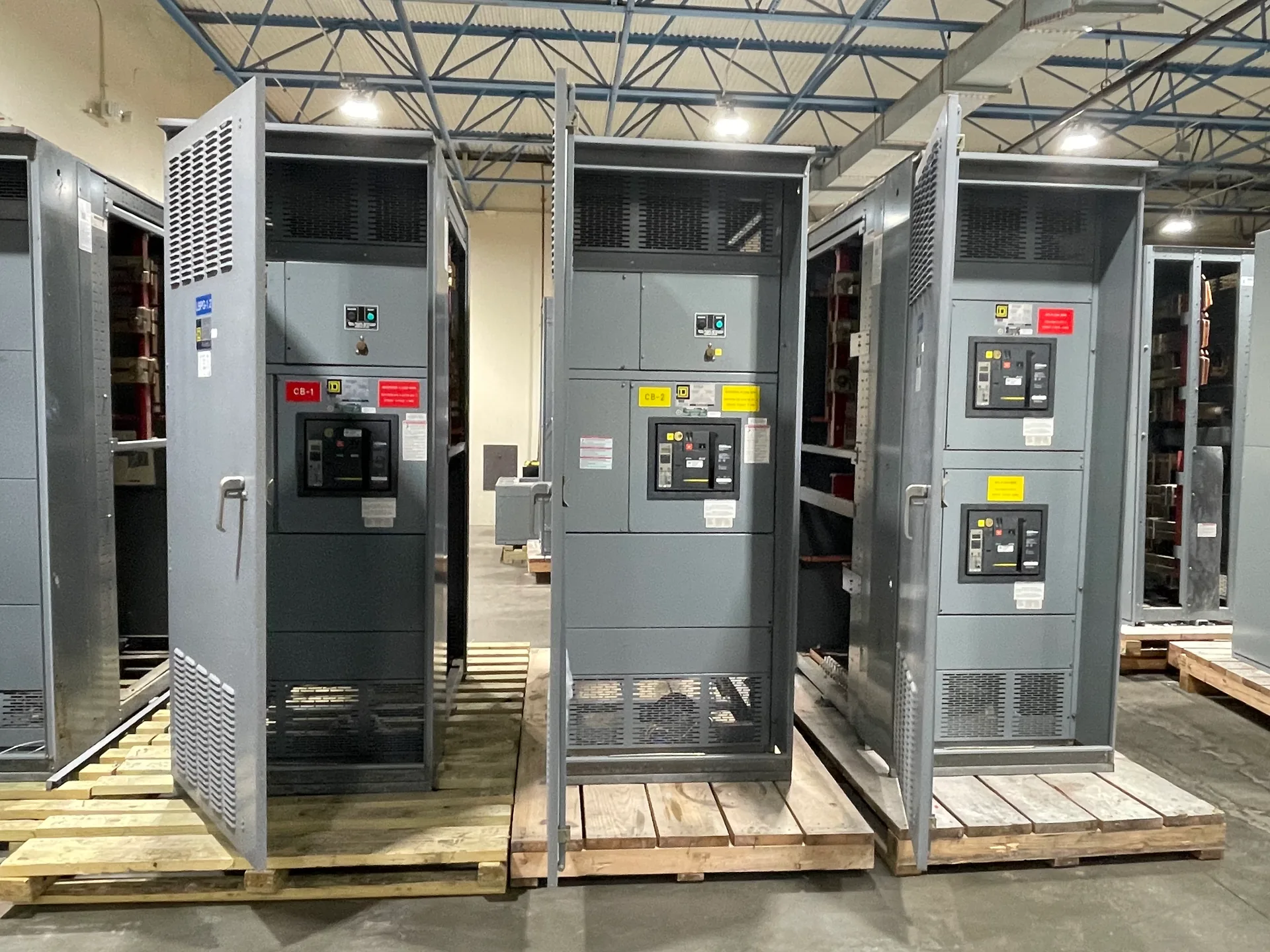
Switchgear Builder Virginia manufactures new switchgear and can develop custom equipment for facilities planning automatic transfer switch integration. For a hypothetical Hampton, Virginia, facility, the first step is defining how normal and generator sources should serve the intended loads, then confirming how the proposed controls and equipment fit the project. This example is not a description of a local installation. Site conditions, utility requirements, jurisdictional details, ratings, schedules, and the division of testing responsibilities must be verified for each project before they are reflected in a quote.
Define Both Sources
Start by documenting the normal source and the proposed generator source, including the equipment each source is expected to feed. Identify essential and nonessential loads, any planned load-shedding priorities, and whether separate transfer equipment serves different load groups. These choices shape the equipment arrangement and control sequence; they should follow the facility’s operating needs rather than assumptions based on a generic diagram. For a hypothetical Hampton facility, the design team would verify the actual service configuration and coordinate locally relevant utility requirements with the appropriate parties. Record source characteristics and available project data for engineering review, but treat ratings and compatibility as items to verify against the final design. A clear source description helps Switchgear Builder Virginia assess the requested new equipment and identify information needed to prepare a project-specific quote.
Agree on Sequence
Describe what should happen when the normal source is lost, when generator power becomes available, and when normal power returns. Confirm the intended transfer and retransfer behavior, any delays, generator start and stop signals, and what happens if either source is unavailable. Open- or closed-transition operation should not be assumed: the requested transfer method and its suitability must be reviewed for the equipment and project requirements. Document whether an operator needs an indication or action at any point, and specify expected behavior for alarms or a failed transfer. These are functional requirements, not proof that a proposed assembly already includes a particular control feature. For the hypothetical site, the owner, electrical designer, generator provider, and equipment supplier should resolve sequence details before drawings and scope are finalized.
Review Neutral Needs
Neutral treatment depends on the source arrangement and grounding design, so it needs explicit review rather than a default selection. The project team should document how the normal and generator sources are grounded, whether the transfer arrangement is expected to switch the neutral, and which design professional will confirm the applicable requirements. Those decisions can affect transfer equipment selection, conductors, bonding details, and coordination with generator controls. Do not infer the correct configuration from the facility’s location or from a generic product description. For a hypothetical Hampton project, the electrical design documents and relevant jurisdictional requirements would need review before neutral configuration is specified. Switchgear Builder Virginia can use confirmed project requirements when evaluating a custom new-equipment scope; final compatibility, ratings, and design details remain subject to engineering review and quote.
Check Room and Controls
Measure the switchgear room and the complete access route, including door openings, turns, overhead obstructions, floor conditions, and available working space. Share dimensions and site drawings so the equipment arrangement can be assessed before it is specified; a room measurement alone does not establish that installation access or required clearances are adequate. Also identify the intended control interface, required status indications, alarm points, and any signals exchanged with generator or building systems. Confirm who supplies, wires, configures, and verifies each interface, since responsibilities may span several project participants. These details can influence enclosure layout and scope. For the hypothetical Hampton facility, site conditions should be measured and checked locally rather than assumed. Final dimensions, features, and equipment ratings are options or requirements to verify during project review.
Assign Verification
Before requesting a quote, identify who will approve the sequence, confirm source and neutral requirements, review drawings, coordinate site interfaces, and perform each required inspection or test. The owner, electrical contractor, generator provider, design professional, and equipment supplier may have different responsibilities; the project documents should state the actual division. Define the acceptance criteria and test plan with the responsible parties, including what can be checked during equipment production and what must be verified after installation. Do not assume a particular approval, inspection, test, or field service is included unless it is confirmed in the project scope. Switchgear Builder Virginia manufactures and supplies new switchgear, with custom builds, all-American components, and nationwide shipping; schedules and ratings are subject to quote and verification. Review the Hampton city page and automatic transfer switch integration service information when preparing a project-specific request.