
LOCATION SERVICES / MANUFACTURER DIRECT
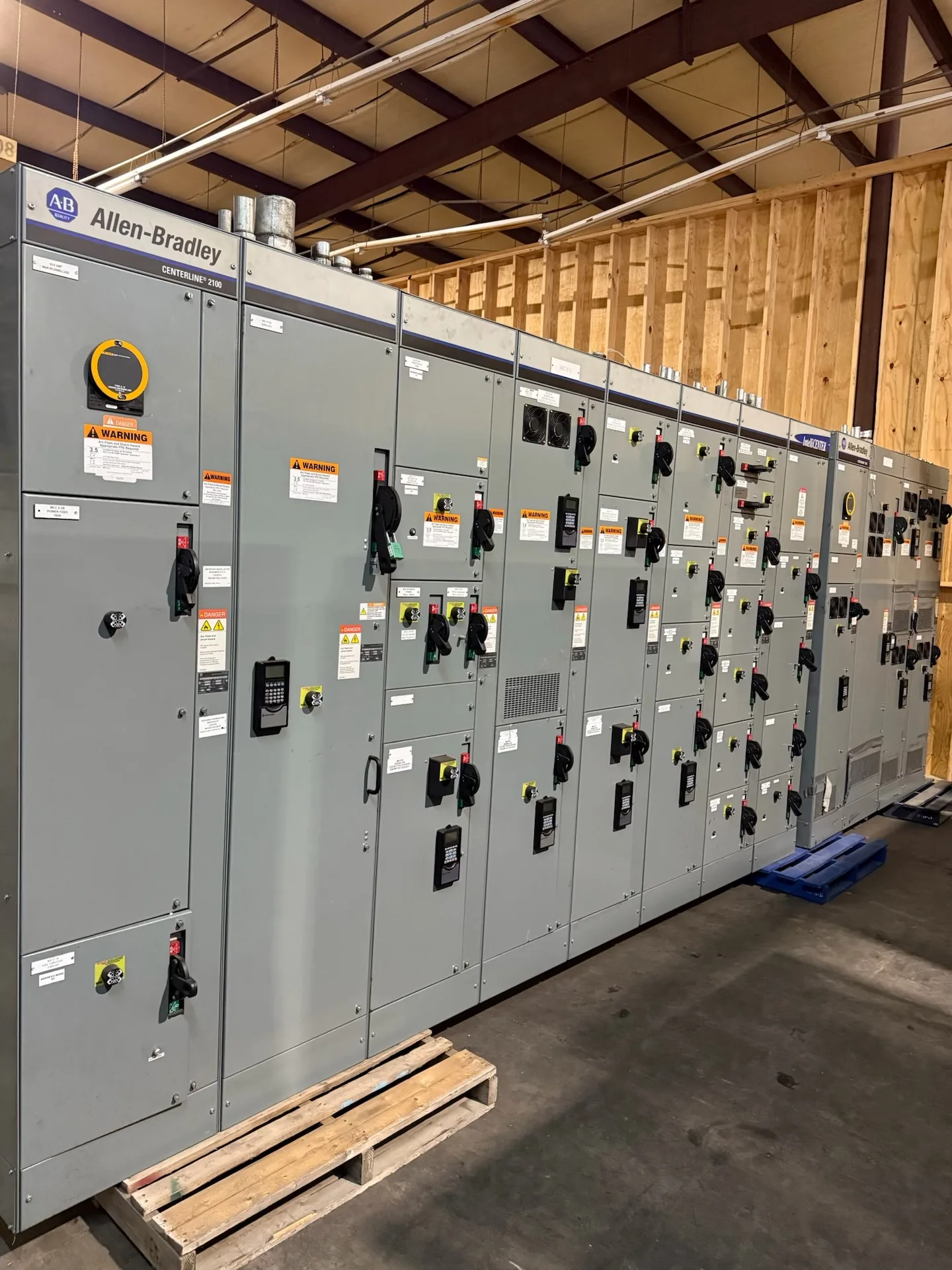
Switchgear Builder Virginia manufactures new custom switchgear for projects in Newport News, Virginia, with design details shaped around the loads, available space, and operating needs provided for review. Consider a hypothetical production line adding large motors and fabrication equipment: early coordination can help define feeder quantities, equipment sections, and a practical delivery interface. The example is not a description of a local facility or a confirmed project. Utility requirements, jurisdictional details, ratings, schedules, and site conditions must be verified for the actual installation. Share project information to request a quote for new equipment; final configuration and timing depend on quote review.
Map the Loads
For a hypothetical Newport News production line, start with a load list rather than a guessed switchgear size. Record each motor’s nameplate information, starting method, expected operating pattern, and any known duty-cycle constraints. Include fabrication equipment, lighting, auxiliary systems, and planned future loads if they are part of the project scope. These details help the design team distinguish continuous demand from starting or intermittent demand and identify where coordination questions remain. A motor schedule alone may not describe simultaneous operation, process changes, or future expansion, so note those assumptions separately. Do not treat preliminary load figures as final equipment ratings. Confirm the operating voltage, system configuration, and available fault-current information with qualified project stakeholders. Switchgear Builder Virginia can review the information for a new custom build, with final selections, ratings, and schedules subject to quote and verification.
Define Feeder Needs
Feeder count is more than a tally of machines. For the hypothetical line, identify which loads need dedicated feeders, which may be grouped under an approved design approach, and which circuits should remain available for planned additions. Capture the destination, expected load, protective-device requirements, and any operational preference for each feeder. A spare position can provide flexibility, but it still takes physical space and may affect bus, enclosure, and cost decisions; the useful quantity depends on a documented expansion plan. Avoid choosing device sizes from motor horsepower alone. Protection and coordination depend on system data and the design requirements confirmed for the project. Ask the facility’s electrical and engineering contacts to resolve open assumptions before equipment configuration. The resulting schedule gives a manufacturer a clearer basis for a new-equipment quote without implying that any unverified rating or arrangement is already selected.
Verify Fault Data
Available fault current is a key design input, not a value to estimate from the production line’s motor list. For the hypothetical Newport News project, obtain the applicable source information and fault-level study from the responsible utility or qualified electrical engineer, as appropriate to the installation. Verify the system voltage, grounding arrangement, transformer data, and relevant upstream protection details alongside that information. Those inputs help determine which interrupting and withstand requirements must be addressed, but they do not by themselves establish a complete equipment rating. Confirm the governing project requirements and any applicable authority review before selections are finalized. If data are preliminary, label them clearly and identify who will confirm them. Switchgear Builder Virginia can use verified project inputs when reviewing a custom new build; ratings, approvals, and available configurations remain subject to engineering review, quote, and confirmation.
Plan Sections and Space
Available floor space can influence how a custom lineup is divided into sections, but a room measurement is only one part of the layout. For the hypothetical line, document the proposed equipment footprint, working and access clearances required by the project, nearby obstructions, door and corridor dimensions, and the route from receiving point to final position. Confirm these conditions with the project’s qualified design team and applicable jurisdiction before approving a layout. Section splits may help address handling or access constraints, while adding joints and field connections that must be planned and reviewed. The right balance depends on the transport route, assembly approach, and site requirements; do not assume a particular section width or weight without a design. Provide current drawings and site measurements for review. Final sectioning and ratings are determined through project-specific verification and quote.
Coordinate Delivery and Quote
A safe delivery interface begins with clear responsibilities, not an assumed delivery date. In the hypothetical Newport News scenario, identify the receiving area, site access restrictions, unloading arrangements, equipment path, and the party responsible for moving sections into position. Verify those conditions with the site team before finalizing shipping and handling plans; nationwide shipping does not establish local receiving or installation services. Share the required on-site date as a project constraint, while recognizing that schedules depend on configuration, review, and quote. Switchgear Builder Virginia manufactures new equipment in the USA using all-American components and offers custom builds with short lead times; actual schedule and availability must be confirmed for the specific scope. Where the design is an applicable low-voltage switchboard, ask whether UL 891 assemblies are appropriate and available for the project. Request a quote with verified drawings, load data, and delivery assumptions.