
LOCATION SERVICES / MANUFACTURER DIRECT
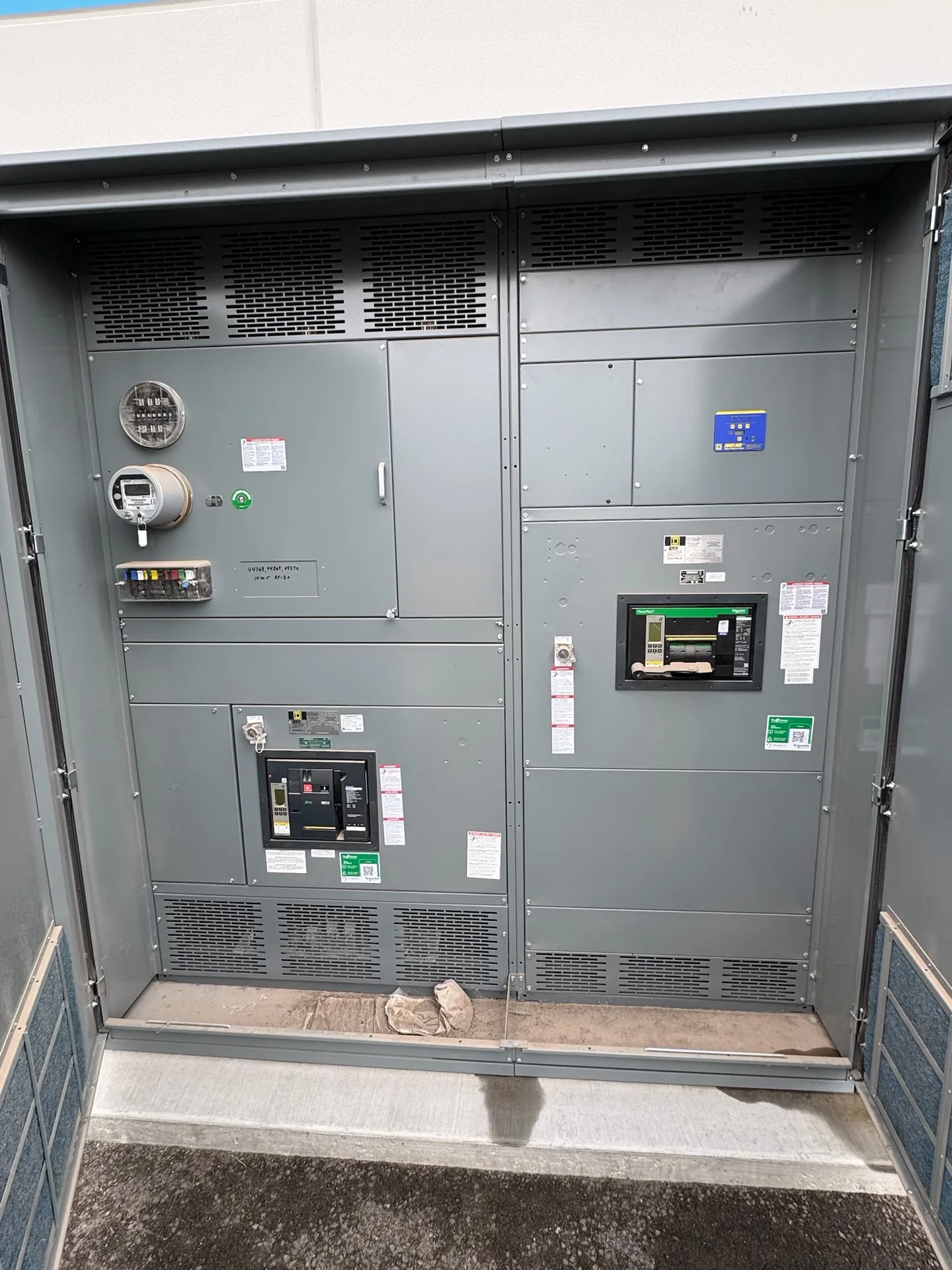
Switchgear Builder Virginia manufactures new generator connection switchboard assemblies for projects in Portsmouth, Virginia, with custom configurations, all-American components, direct USA manufacturing, and nationwide shipping. A hypothetical exposed-site project may need a different enclosure, connection layout, or transfer arrangement than an indoor installation. Final equipment selection depends on verified drawings, source data, operating goals, and applicable project requirements. Use the points below to prepare a quote request; site conditions, ratings, schedules, and jurisdictional details require confirmation.
Define the connection
A generator connection switchboard provides a defined point for connecting a standby or temporary generator to an electrical distribution system. For a hypothetical Portsmouth project, first establish whether the generator is permanently installed, periodically connected, or intended as a temporary source during planned work. That decision affects the connection interface, access, cable routing, and operating procedure. Identify the loads to be supplied, the normal source, the generator source, and the intended sequence for changing sources. A docking connection may suit a planned temporary connection, while a permanently wired arrangement may better fit a dedicated generator. Neither arrangement should be assumed from the location alone. Provide one-line diagrams, equipment schedules, and operating requirements for review. Switchgear Builder Virginia can develop a custom new assembly from verified project information; final construction and ratings remain subject to engineering review and quote.
Choose the transfer method
Connection and transfer arrangements involve different operating tradeoffs. A manual transfer approach can make the switching sequence dependent on trained personnel and documented procedures; an automatic arrangement can transfer in response to defined controls but requires compatible sensing, control logic, and source conditions. Some projects use a separate transfer device rather than placing transfer functions in the switchboard. The correct boundary between connection equipment and transfer equipment depends on the existing distribution design and the desired operating sequence. Specify whether sources must be prevented from paralleling, whether transition should be open or another method is required, and what happens if a source is unavailable. These are design inputs, not assumed features. Have the responsible electrical design professional confirm the arrangement and applicable requirements before requesting pricing. A clear sequence helps avoid a quote based on an unsuitable operating assumption.
Rate every source
Provide verified electrical data for both normal and generator sources, including system voltage, phase, frequency, available fault current, and the intended load. Identify the upstream protective devices and any existing switchboard or transfer equipment that the new assembly must coordinate with. The generator’s nameplate capacity alone does not establish the switchboard’s required ratings or suitability for the installation. Interrupting, withstand, and bus ratings must be selected and confirmed against the actual system conditions and applicable design criteria. If the project may use generators with different capacities, provide the permitted range and connection constraints for review rather than assuming one configuration fits every unit. Also identify the number and type of connection points required. Applicable low-voltage switchboard assemblies may be specified as UL 891 assemblies where appropriate; applicability and the requested configuration must be confirmed for the project.
Plan safety and grounding
Specify the intended disconnecting means, access controls, and interlocks needed to support the approved operating sequence. Interlocks may help prevent defined incompatible switching states, but their purpose and scope must be stated and checked against the control design. Clarify how the generator neutral and grounding conductors are intended to be handled, including whether the transfer arrangement switches the neutral. That decision depends on the system grounding design and generator configuration; it should not be guessed from a generic diagram. Provide the engineer’s grounding requirements and identify any separately derived source conditions for evaluation. Describe labeling, connection identification, and any required cable-entry or termination provisions. These details help distinguish a complete connection assembly from a panel with only a matching receptacle. Final protective-device selection, interlock design, grounding details, and installation approval require qualified project review; do not rely on an equipment description as field-work instructions.
Account for exposure
For a hypothetical Portsmouth site, consider whether the proposed equipment location could be exposed to weather, wind-driven moisture, salt-bearing air, flooding, impact, or restricted access. These are screening questions, not claims about a particular property or a substitute for a site assessment. Confirm the actual installation environment, enclosure requirements, mounting arrangement, clearances, cable approach, and maintenance access with the project team. An outdoor-rated enclosure, if required, can affect footprint, heat management, door access, and connection routing; its suitability and rating must be specified and verified. Also confirm locally applicable utility coordination, permitting, and jurisdictional review with the responsible authorities and design professionals. Switchgear Builder Virginia ships nationwide and can quote a custom new assembly after reviewing project requirements. Share the city-page context, connection requirements, drawings, and verified source data to support a focused equipment discussion and quote.