
PRODUCTS / MANUFACTURER DIRECT
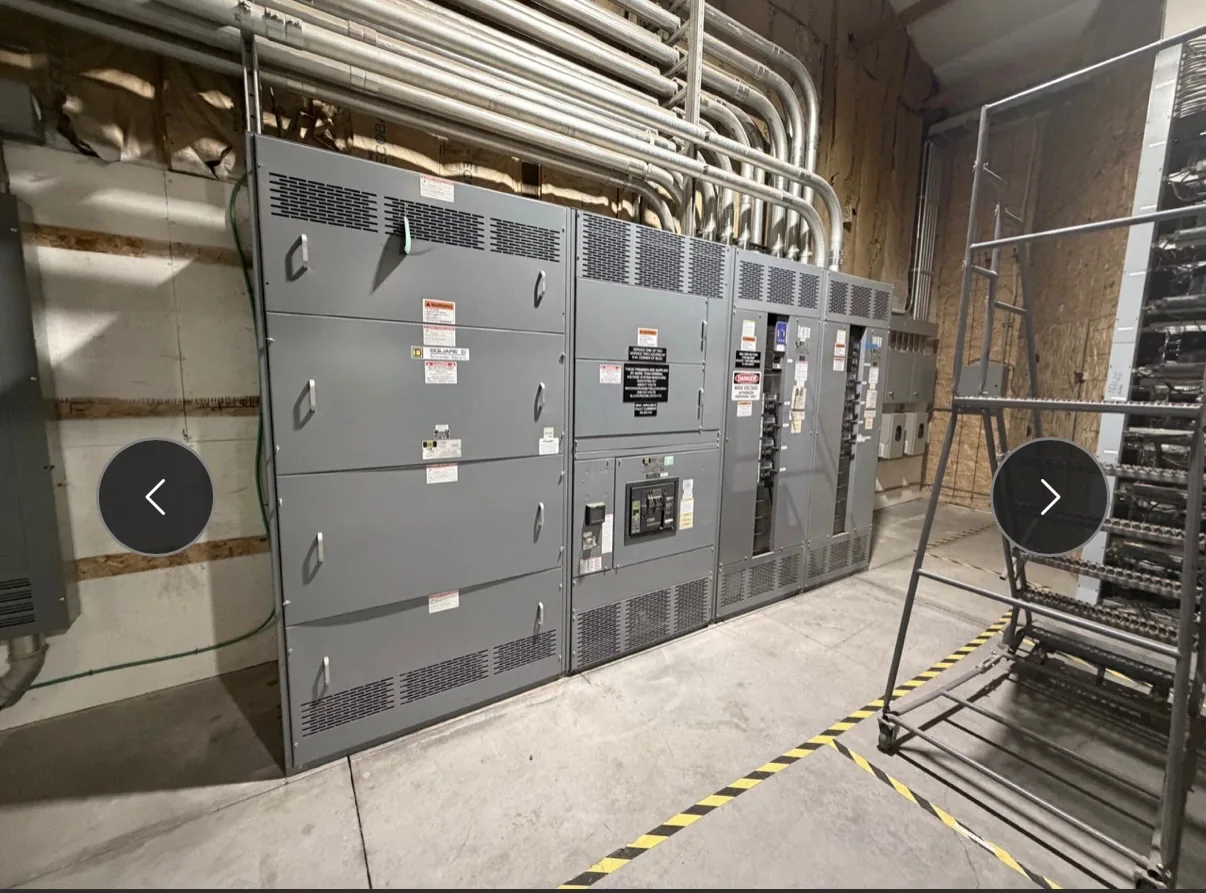
Low-voltage switchgear distributes and controls electrical power on the customer side of a system, using switching and protective devices selected for the installation. The right assembly depends on more than nominal voltage: fault duty, source arrangement, load needs, operating access and the applicable product standard all shape the design. Switchgear Builder Virginia manufactures new, custom-built switchgear in the USA using all-American components, with short lead times subject to project requirements and quote. Nationwide shipping is available. Compare the equipment type and design requirements before requesting a configuration; ratings, schedules and applicable approvals must be confirmed for the specific build.
What Low-Voltage Switchgear Does
Low-voltage switchgear is an assembly used to receive, control and distribute electrical power at the voltage level specified for a project. Its switching devices connect or isolate circuits, while protective devices respond to conditions such as overloads or short circuits according to their selected settings and ratings. A lineup may serve incoming power, feeders or both; the actual arrangement depends on the one-line diagram, available sources and loads. Buyers should establish nominal voltage, phase and wire configuration, continuous current needs, available fault current, enclosure conditions and installation constraints before comparing proposals. These details affect device selection, bus design, compartment layout and connection space. Do not infer a suitable assembly from the phrase “low voltage” alone: confirm the system data and intended application with the project engineer and manufacturer. Switchgear Builder Virginia can develop a custom new build around documented project requirements.
Protective Devices and Fault Duty
Protective-device selection starts with the system’s available fault current and the equipment’s required short-circuit capability, not simply the normal operating load. Circuit breakers or fuses must be chosen with their interrupting ratings, trip or fuse characteristics, frame sizes and coordination goals considered together. If selective coordination is required, provide the study criteria and upstream and downstream device information; device choices that support one objective may affect cost, space, maintenance approach or coordination with other equipment. Confirm the assembly rating and each device’s suitability for its position, rather than assuming that a component rating establishes the rating of the complete lineup. The final design should also account for service conditions, source contributions and future load plans. These are project-specific engineering decisions: the quote should identify the assumptions and ratings proposed for review before an order is finalized.
Switchgear or Switchboard?
Switchgear and switchboards both distribute power, but the terms do not establish that two assemblies have the same construction, operating features or product standard. Buyers should compare the specified equipment type against the one-line diagram, service conditions, access requirements and project documents instead of treating the names as interchangeable. Ask whether the design requires drawout or fixed devices, particular compartment separation, front or rear access, or a defined maintenance procedure; each choice can influence footprint, installation access and operating practices. UL 891 is a standard for applicable low-voltage switchboards, not a blanket designation for every assembly described as switchgear. Where a project specifies UL 891, confirm that the proposed product is an applicable switchboard and verify the requested certification or marking and scope for that exact configuration. Where the documents call for switchgear, confirm the applicable product standard rather than substituting a switchboard by label alone.
Maintainability and Layout
Maintainability is shaped at design time by how devices, wiring and connections can be accessed under the project’s approved operating and safety procedures. Consider whether the lineup needs front-only access or rear working clearance, how cables enter and terminate, how much room device removal may require, and whether spare sections or future feeder positions are worth reserving. Extra space and provisions can improve flexibility but increase footprint and initial scope; a compact arrangement may fit the room while leaving less room for later changes. Identify the owner’s inspection, testing and replacement expectations, and ask which components are intended to be accessible or replaceable. Do not assume a feature is standard or that maintenance can be performed energized. Verify configuration details, clearances, service conditions and any required documentation with the project team. A practical proposal makes the selected tradeoffs visible for review.
Requirements to Confirm Before Quoting
Send the current one-line diagram, load or feeder schedule, system voltage, phase and wire arrangement, available fault-current information and project specifications for review. Include the requested equipment type and standard, incoming and outgoing connection details, enclosure or room constraints, access preference, source arrangement and any coordination or future-expansion criteria. Identify which ratings and approvals are mandatory and which are preferences so the proposed scope can distinguish requirements from options. If documentation is incomplete, list open items rather than treating assumptions as confirmed design values. Switchgear Builder Virginia builds new custom assemblies in the USA with all-American components and ships nationwide; configuration, ratings, schedule and applicable approvals remain subject to quote and verification. Lead time is project-specific, so request a schedule for the defined scope rather than relying on a general estimate. Review the proposed equipment and assumptions with the responsible electrical engineer before release.