
PRODUCTS / MANUFACTURER DIRECT
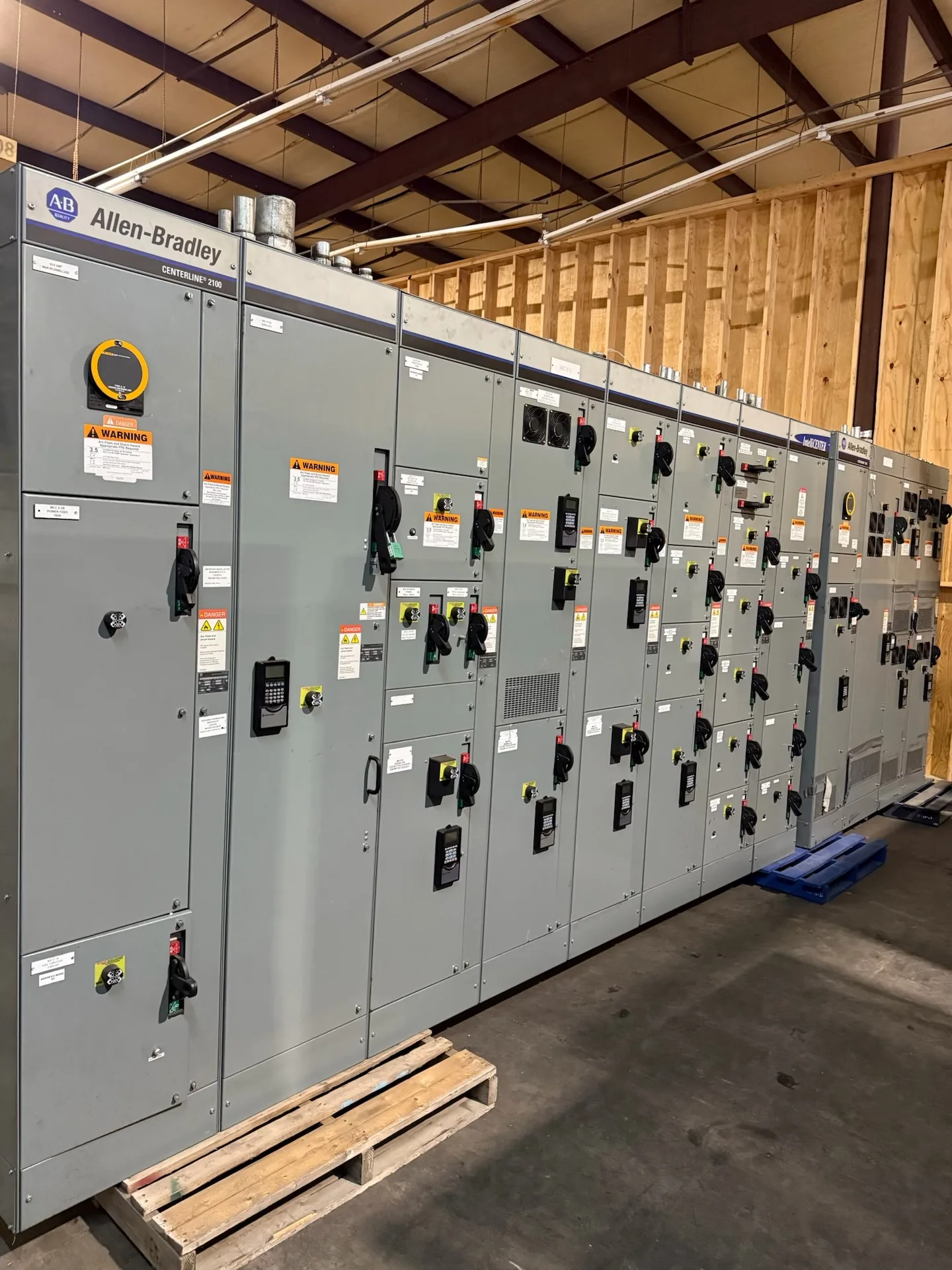
Medium-voltage switchgear selection starts with the electrical conditions the equipment must handle—not a product label alone. Switchgear Builder Virginia builds new equipment to project requirements, with direct USA manufacturing, all-American components, custom builds, and nationwide shipping. Identify the system voltage, insulation needs, interruption duty, and installation constraints before comparing construction options. Equipment classes, applicable standards, ratings, and schedules must be confirmed for the specific project and included in the quote.
System voltage
Start with the system’s nominal voltage, then verify the maximum operating voltage and the equipment class required by the project documents. These values are related, but they are not interchangeable: selecting from nominal voltage alone can leave important insulation and application questions unanswered. Confirm the system grounding arrangement, frequency, source configuration, and any utility or facility requirements that affect the specification. Also identify whether the lineup serves incoming power, distribution, motor loads, or another defined function. Those duties influence how the equipment is arranged and what devices or provisions may be needed. Switchgear Builder Virginia can develop a custom build around documented project requirements; available classes and ratings remain subject to review and quote. Provide the one-line diagram and applicable specifications so the proposed equipment can be checked against the actual system rather than assumptions based on a general voltage description.
Insulation coordination
Insulation level is a separate design decision from nominal system voltage. The project specification may identify required withstand levels or other insulation criteria; confirm those values with the engineer, utility, or governing project documents before requesting a configuration. Site conditions also matter. Indoor or outdoor placement, altitude, ambient conditions, contamination exposure, and available clearances can affect what construction is appropriate, but the impact must be evaluated for the particular equipment class. Do not treat a familiar voltage label as proof that insulation performance suits a specific installation. Ask the supplier to state the proposed equipment’s applicable ratings and identify any assumptions used in the quotation. If the project has special environmental or interface requirements, include them early. This can prevent a late redesign or a mismatch between the requested lineup and the installation conditions. Final suitability depends on review and verification of the project details.
Interruption duty
Interruption duty describes the fault-current conditions the equipment and its switching devices must address. Establish the available fault current at the proposed connection point, the system configuration used for that study, and any project-defined future changes. Then confirm the required interrupting and withstand ratings for the specified equipment and devices. A rating that appears adequate in isolation may not fit the complete lineup or the assumptions behind the fault study. Protection settings and coordination are related engineering tasks, but they should not be inferred from a switchgear quotation alone. Share the current one-line diagram, fault-study information, protective-device requirements, and relevant utility data for review. Where inputs are preliminary, identify them as preliminary so the quote can state what remains unresolved. Proposed ratings and device selections are subject to verification against the project documents; no numerical topic or general product description establishes the rating of a particular build.
Construction choices
Construction affects access, footprint, maintenance planning, and how the lineup fits the electrical room or outdoor site. Describe the installation location, available floor space, cable entry direction, working clearances, access route, and connections to adjacent equipment. The project may also call for particular barriers, compartments, bus arrangements, metering, control wiring, or future provisions; list these as requirements for confirmation rather than assuming they are standard. More compartmentalized or specialized layouts can address project needs but may affect dimensions, interfaces, and cost. A simpler arrangement may use space efficiently where the specification allows it. Provide room drawings and interface details when available, and identify any limits on door swing, cable bending space, or equipment handling. Switchgear Builder Virginia offers custom builds, with the final construction and applicable equipment class established through technical review and quotation.
Standards and quote review
Before purchase, reconcile the equipment schedule, one-line diagram, specifications, and site information. Ask which applicable standards and project requirements the proposed medium-voltage equipment is intended to meet, and request confirmation of the offered class, insulation values, interruption and withstand ratings, enclosure or installation assumptions, and included devices. Applicable standards depend on the equipment and project; verify the required editions and acceptance criteria with the responsible project team. Review exceptions carefully, including items noted as by others, optional, or pending confirmation. Identify required drawings, submittals, inspection steps, and tests in the project documents, then confirm whether each is included in the scope. Switchgear Builder Virginia manufactures new medium-voltage equipment in the USA using all-American components and ships nationwide. Lead time and final ratings are determined through quote and verification; provide complete requirements to support an accurate proposal and schedule review.